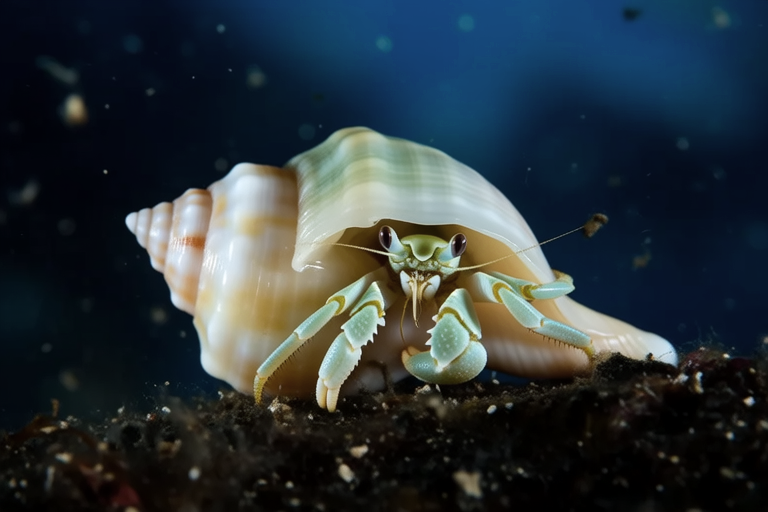
The Fascinating Life Cycle and Ecological Roles of Pea Crabs
Pea crabs, belonging to the family Pinnotheridae, are diminutive yet remarkable crustaceans that live exclusively within the mantle cavities of bivalves. Their unique life cycle and symbiotic relationship with their hosts have intrigued marine biologists for decades. These tiny creatures, often overlooked, play crucial roles in marine ecosystems, contributing significantly to the overall health and biodiversity of our oceans.
The Unique Life Cycle of Pea Crabs
The life cycle of pea crabs is characterized by a series of developmental stages, each adapted to ensure survival within their host. The journey begins with eggs that are laid by the female inside the gills or mantle cavity of a bivalve host. Once hatched, the larvae, known as zoeae, enter the planktonic stage, where they drift through the water column until they find a suitable host. Upon locating one, the zoeae undergo metamorphosis into megalopae, a transitional stage that allows them to swim and search for a permanent home. Finally, they settle inside the host, completing their transformation into adult pea crabs.
Symbiotic Relationships with Bivalves
Pea crabs exhibit a fascinating symbiotic relationship with bivalves, particularly oysters, clams, and mussels. This relationship is generally commensal, meaning it benefits the pea crab while having little to no impact on the host. However, in some cases, it can be parasitic, especially when populations of pea crabs grow too large, potentially affecting the host’s ability to filter feed or reproduce.
Adaptations that enable pea crabs to thrive within their hosts include their flattened bodies, which allow them to fit snugly within the mantle cavity. Additionally, their small size and translucent appearance help them avoid detection by predators. Furthermore, they possess specialized mouthparts that enable them to feed on the host’s reproductive products and mucus, ensuring a steady food supply.
Ecological Roles and Oceanic Health
The presence of pea crabs in marine ecosystems has far-reaching implications for oceanic health. By feeding on the reproductive products of their hosts, pea crabs may influence the population dynamics of bivalves, potentially acting as a natural control mechanism. Moreover, their role in nutrient cycling cannot be overstated. As they consume and excrete nutrients within the host, they contribute to the recycling of vital elements like nitrogen and phosphorus, thereby enriching the surrounding waters.
In addition to their direct interactions with bivalves, pea crabs also serve as prey for larger marine organisms, including fish and birds. This makes them an integral part of the food web, linking different trophic levels and facilitating energy transfer throughout the ecosystem.
Fascinating Behaviors and Recent Discoveries
Recent scientific discoveries have shed new light on the behavior and biology of pea crabs, challenging previous assumptions about their lifestyles. One such discovery involves the mating habits of pea crabs. Traditionally, it was believed that pea crabs reproduced within the confines of their host. However, recent research has revealed that some species engage in external mating, venturing outside the safety of their host to mate. This behavior suggests a more complex reproductive strategy than previously thought.
Another intriguing aspect of pea crab behavior is their ability to influence the behavior of their hosts. Studies have shown that the presence of pea crabs can alter the feeding patterns and growth rates of bivalves, indicating a level of behavioral manipulation that underscores the complexity of their symbiotic relationship.
Challenges and Conservation Efforts
Despite their importance, pea crabs face numerous challenges in today’s rapidly changing marine environment. Pollution, habitat destruction, and climate change pose significant threats to their survival and the health of the ecosystems they inhabit. To address these issues, conservation efforts must focus on protecting the habitats of both pea crabs and their hosts, as well as promoting sustainable fishing practices that minimize bycatch.
Moreover, ongoing research and monitoring are essential to understanding the impacts of environmental changes on pea crabs and their hosts. By increasing our knowledge of these tiny crustaceans, we can better inform conservation strategies and ensure the long-term health of marine ecosystems.
Conclusion
Pea crabs are small but significant players in the vast and intricate world of marine ecosystems. Their unique life cycle, symbiotic relationships with bivalves, and ecological roles underscore the importance of studying and conserving these fascinating creatures. As we continue to unravel the mysteries of their behavior and biology, we gain valuable insights into the delicate balance that sustains life in our oceans. By appreciating the complexity and beauty of pea crabs, we can foster a greater sense of stewardship for the marine environments that support them.
