The Ultimate Guide to Keeping Your Fancy Rat Healthy and Happy
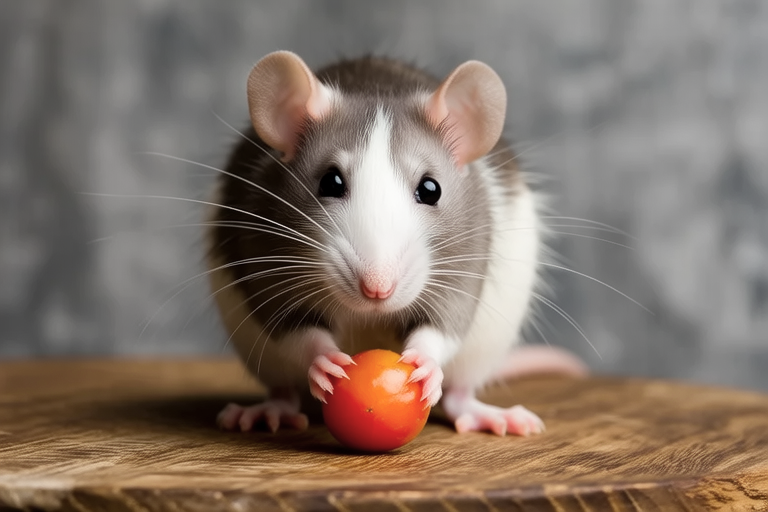
Fancy rats, also known as domesticated rats, are intelligent, social creatures that make wonderful pets. Providing them with a healthy and happy environment requires attention to various aspects of their care. This guide covers everything from nutrition and housing to exercise, social interaction, and preventive healthcare.
Proper Nutrition
Feeding your fancy rat a balanced diet is crucial for its overall health. A good diet consists of commercial rat pellets, fresh vegetables, fruits, and occasional treats. Avoid feeding them sugary or fatty foods, as these can lead to obesity and other health problems. Always provide fresh water daily in a water bottle designed for small animals.
Suitable Housing Conditions
Rats need a clean, spacious cage with plenty of bedding material. The cage should be at least 36 inches long by 18 inches wide by 18 inches high for one or two rats. Provide nesting boxes, tunnels, and toys for climbing and exploring. Keep the cage away from direct sunlight, drafts, and extreme temperatures. Clean the cage regularly to prevent ammonia build-up, which can cause respiratory problems.
Regular Exercise Opportunities
Like humans, rats need regular exercise to stay healthy. Provide your pet with toys that encourage physical activity, such as wheels, ladders, and ropes. Supervised playtime outside the cage is also beneficial, allowing your rat to explore and interact with you. Just ensure that the area is rat-proofed and free of hazards.
Appropriate Social Interactions
Rats are social animals that thrive on companionship. If possible, keep them in pairs or groups to prevent loneliness and stress. Spend time handling and interacting with your rats daily to strengthen the bond between you and your pets. Training sessions using positive reinforcement can also enhance this relationship.
Common Health Issues and Preventive Care
Regular veterinary check-ups are essential for early detection and treatment of potential health issues. Common ailments include respiratory infections, tumors, and dental problems. To prevent illness, maintain optimal hygiene in their living space and provide a balanced diet. Vaccinations are not typically required for pet rats but consult your veterinarian about specific recommendations based on your location.
Grooming Tips
Grooming your fancy rat is important for maintaining its coat and preventing skin issues. Brush your rat’s fur weekly using a soft brush or comb. Check for any signs of matting, parasites, or skin irritation during grooming sessions. Trim their nails if necessary, being careful not to cut the quick, which can cause bleeding.
Signs of Illness to Watch For
Monitor your rat closely for any unusual behavior or physical changes. Look out for symptoms like lethargy, loss of appetite, diarrhea, sneezing, wheezing, or discharge from the eyes or nose. Early intervention can significantly improve the chances of recovery. Contact your vet immediately if you notice any concerning signs.
Mental Stimulation Activities and Environmental Enrichment Ideas
To keep your rats mentally stimulated and happy, offer a variety of toys and activities. Puzzle feeders, foraging toys, and interactive games can challenge their minds and provide entertainment. Rotate toys periodically to prevent boredom and encourage exploration. Hide treats around the cage or play area to stimulate their natural foraging instincts.
Importance of Routine Veterinary Check-Ups and Vaccinations
Annual check-ups help monitor your rat’s health and address any concerns before they become serious. During these visits, discuss your rat’s diet, exercise routine, and behavior with your veterinarian. They may recommend additional care based on your pet’s individual needs. While vaccinations are generally not necessary for pet rats, some regions might require certain shots due to local disease prevalence.
Conclusion
By following these guidelines, you can ensure that your fancy rat enjoys a long, healthy, and joyful life. Remember that each rat is unique, so tailor your approach according to their specific preferences and requirements. With love, attention, and proper care, you’ll create a thriving home where your furry friends feel safe and content.
