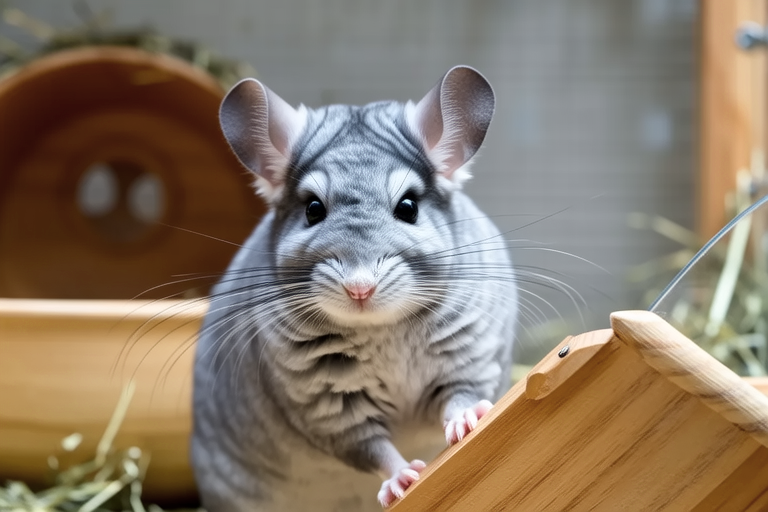
Everything You Need to Know Before Getting a Chinchilla as a Pet
Welcome to the enchanting world of chinchillas! These small, furry creatures are native to the Andes Mountains in South America and have captivated the hearts of many pet enthusiasts with their playful demeanor and luxurious coats. Known for their dense, soft fur that feels like cashmere, chinchillas are not only visually stunning but also offer unique companionship. Their intelligence and curiosity make them delightful pets, though they require careful consideration before bringing one home. This guide will walk you through everything you need to know about chinchillas, from their dietary needs to their housing requirements, ensuring you’re fully prepared for this exciting addition to your family.
Dietary Needs: The Key to Their Health
Chinchillas have specific dietary requirements that are essential for their well-being. Their diet primarily consists of hay, pellets, and fresh water. High-quality timothy hay is a staple in their diet, providing necessary fiber that aids digestion and promotes healthy teeth. Chinchilla-specific pellets are another vital component, offering balanced nutrition. It’s important to avoid feeding them foods high in sugar or fat, such as fruits or nuts, as these can lead to obesity and dental problems.
Water is crucial for chinchillas, as they need to stay hydrated. Providing a water bottle attached to their cage ensures constant access to fresh water. Additionally, chinchillas enjoy gnawing on wooden chew toys, which help wear down their continuously growing teeth and prevent overgrowth.
Housing Requirements: Creating a Comfortable Home
When it comes to housing, chinchillas need ample space to move around and play. A cage measuring at least 36 inches wide by 24 inches deep by 24 inches tall is recommended for a single chinchilla. The cage should be made of wire mesh with openings no larger than 1 inch by 1 inch to prevent injuries. Multilevel cages are ideal as they provide more room for climbing and exploring.
The bedding material is also crucial. Aspen shavings or paper-based bedding are safe options; avoid cedar or pine shavings, as they can irritate chinchillas’ respiratory systems. Regular cleaning of the cage is necessary to maintain hygiene and prevent health issues.
Temperature control is paramount for chinchillas, as they are sensitive to heat. They thrive in cooler environments, ideally between 60°F and 70°F (15°C and 21°C). Avoid placing their cage near windows or sources of direct sunlight to prevent overheating.
Grooming Habits: Dust Bathing for Soft Fur
One of the most fascinating aspects of chinchillas is their unique grooming habit: dust bathing. Instead of water, they bathe in fine volcanic ash or special dust designed for chinchillas. This process helps them clean their fur, remove oils, and prevent skin conditions. Providing a dust bath container filled with chinchilla-safe dust is essential for maintaining their luxurious coat. Allow them to bathe for about 5 to 10 minutes a few times a week.
It’s important to note that chinchillas should never be bathed in water, as their dense fur can retain moisture, leading to fungal infections. Regular dust bathing is sufficient for keeping their fur clean and healthy.
Social Behavior and Interaction Preferences
Chinchillas are social animals that thrive on interaction. While they can live alone, they often benefit from having a companion chinchilla, especially if you’re unable to spend significant time with them. Introducing two chinchillas of the same sex is advisable to avoid breeding and potential conflicts.
Chinchillas are generally active during the evening and night, making them crepuscular creatures. They enjoy playing with toys and interacting with their environment. Gentle handling and regular interaction can help build a bond with your chinchilla, but remember that they may not always be as cuddly as other pets. Patience and understanding are key when fostering a relationship with your chinchilla.
Common Health Issues and Signs of Illness
Like any pet, chinchillas can face health issues. Dental problems are common due to improper diet or lack of chewing opportunities. Signs include drooling, difficulty eating, or weight loss. Regular visits to a veterinarian who specializes in exotic pets can help monitor your chinchilla’s dental health.
Respiratory infections can occur if the cage is too humid or dirty. Symptoms include sneezing, discharge from the nose or eyes, and labored breathing. Prompt veterinary care is necessary to treat these conditions effectively.
Obesity is another concern, often resulting from an imbalanced diet or insufficient exercise. Maintaining a proper diet and providing opportunities for physical activity can help prevent this issue.
Tips for Handling and Training
Handling your chinchilla gently and consistently is crucial for building trust. Always support their body when picking them up, as they are delicate and can easily injure themselves. Start by letting them get used to your presence and touch before attempting to pick them up.
Training chinchillas involves patience and positive reinforcement. They can learn to come when called or respond to certain commands with treats. However, keep training sessions short and fun to avoid overwhelming them.
Creating a routine for feeding, grooming, and playtime can help establish a predictable environment for your chinchilla, promoting their overall well-being.
