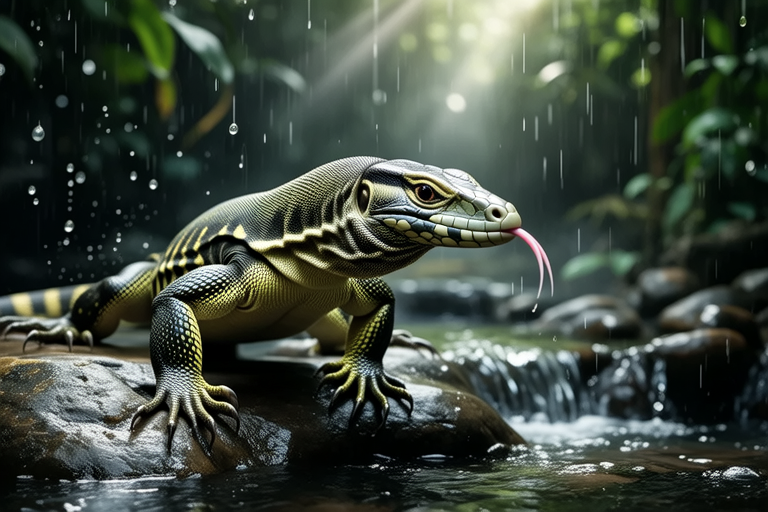
Aquatic Marvels: Discovering the Thrills and Challenges of Owning a Water Monitor
Introduction to Water Monitors:
Water monitors (Varanus salvator) are among the largest lizards in the world, known for their semi-aquatic lifestyle and impressive size. These creatures are native to Southeast Asia and can be found in a variety of habitats, from dense jungles to swamps and rivers. Their unique characteristics make them both captivating and challenging pets. Water monitors have elongated bodies, powerful tails, and sharp claws that help them navigate their aquatic environment. Their ability to swim and dive makes them adept at hunting fish, frogs, and even small mammals.
One of the most remarkable features of water monitors is their intelligence. They exhibit problem-solving abilities and can learn to associate specific actions with rewards, making them highly interactive pets. This intelligence, combined with their adaptability, has made them popular among reptile enthusiasts who are looking for a more engaging pet than traditional reptiles like iguanas or bearded dragons.
The Thrill of Ownership:
Owning a water monitor can be an exhilarating experience. These animals are not only fascinating to watch but also offer a unique opportunity for interaction. Owners often report that their water monitors recognize them and respond to their presence. The sheer size and strength of these lizards add to the excitement, making each encounter memorable.
Training your water monitor can be a rewarding process. With patience and consistency, you can teach your pet to come when called or to accept gentle handling. Some owners even report that their water monitors enjoy being petted or brushed. However, it’s important to remember that water monitors are wild animals at heart and may never become fully domesticated. Therefore, training should focus on establishing trust rather than expecting complete obedience.
The Challenges of Ownership:
Despite the thrill of ownership, there are significant challenges associated with keeping a water monitor as a pet. One of the most daunting tasks is setting up an appropriate habitat. Water monitors require a large enclosure that mimics their natural environment. This includes a deep water area for swimming and diving, as well as dry land areas where they can bask under UVB lighting. Proper temperature gradients and humidity levels are essential for maintaining the health of these reptiles.
Dietary needs are another critical aspect of water monitor care. In the wild, these animals are opportunistic feeders, consuming a wide range of prey items. As pets, they typically eat rodents, fish, insects, and other small animals. Feeding them appropriately requires careful consideration of portion sizes and nutritional balance. Overfeeding can lead to obesity, while underfeeding can result in malnutrition. It’s important to consult with a veterinarian experienced in reptile care to develop a suitable feeding plan.
Healthcare is also a significant concern for water monitor owners. Regular veterinary check-ups are necessary to ensure the animal’s well-being. Common health issues include respiratory infections, parasites, and metabolic bone disease. Owners should be prepared to provide proper medical care, which may involve treatments ranging from antibiotics to calcium supplementation. Additionally, water monitors can carry salmonella, so it’s crucial to practice good hygiene and take precautions to prevent transmission.
Tips for Potential Owners:
For those considering owning a water monitor, there are several key tips to keep in mind. First, always purchase your water monitor from a reputable breeder or rescue organization. Avoid acquiring wild-caught specimens, as they are more likely to carry diseases and may be stressed or aggressive. Once you have your new pet, focus on building trust through consistent, positive interactions.
Handling your water monitor should be done carefully and infrequently. These lizards are strong and can be unpredictable, especially if they feel threatened. Always approach your water monitor slowly and avoid sudden movements. When handling, support the lizard’s body and tail to prevent injury. If your water monitor becomes agitated, it’s best to release it back into its enclosure and try again later.
Maintaining the well-being of your water monitor involves regular monitoring of its behavior and physical condition. Watch for signs of illness, such as lethargy, loss of appetite, or unusual discharge. Keep the enclosure clean and provide fresh water daily. Regularly check the temperature and humidity levels to ensure they remain within the optimal range for your pet.
Conclusion:
Owning a water monitor is a significant commitment that requires dedication, knowledge, and resources. These magnificent creatures offer a unique and thrilling experience for those willing to meet the challenges of their care. While they may never fully bond with their human companions, water monitors can provide years of fascination and enjoyment for dedicated owners. By understanding the needs of these semi-aquatic reptiles and providing them with the appropriate environment, diet, and healthcare, you can ensure a rewarding and fulfilling relationship with one of nature’s most intriguing creatures.
