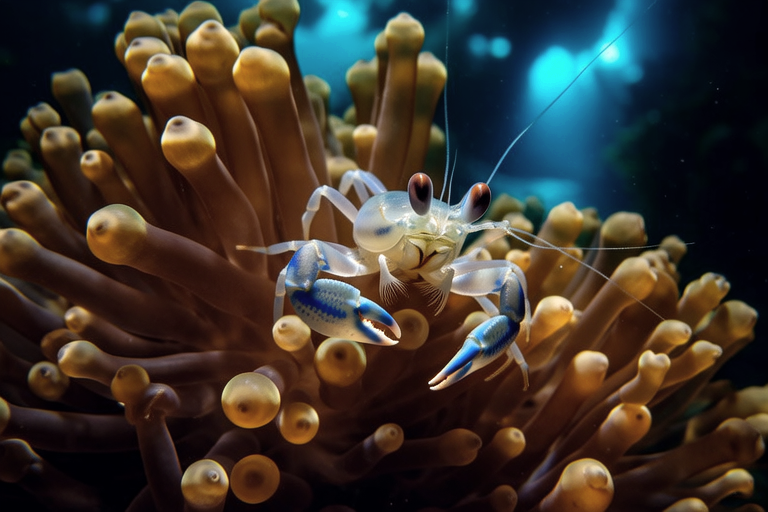
The Lifecycle and Ecological Role of Pea Crabs
Pea crabs (Pinnotheres pectinatus) are small crustaceans that inhabit the ocean depths, playing a unique role in marine ecosystems through their symbiotic relationships with various sea creatures. This article explores the lifecycle of pea crabs, their ecological significance, migration patterns, adaptability, and their cultural importance as culinary delicacies. Additionally, it highlights the challenges pea crabs face due to environmental changes and human activities, concluding with insights on sustainable consumption and conservation efforts.
Early Stages and Symbiotic Relationships
Pea crabs begin their lives as microscopic larvae, drifting in the ocean currents until they find suitable hosts. These hosts include bivalves such as mussels and oysters, and echinoderms like sea cucumbers. Once a host is found, the pea crab enters its juvenile stage, where it undergoes a metamorphosis that adapts it for life within the host’s body. This symbiosis benefits both parties: the pea crab gains protection and a steady food supply, while the host receives cleaning services and potentially enhanced reproductive success.
The pea crab’s ability to live inside these hosts is remarkable. It has adapted to fit comfortably within the confines of its host’s shell or body cavity. This adaptation includes reduced size and specialized appendages that allow it to navigate and feed within the host’s environment. The relationship is often mutualistic, meaning both species benefit from the interaction.
Migration Patterns and Adaptability
Pea crabs exhibit limited migration patterns compared to other marine species. Their movements are primarily driven by the need to find new hosts as they mature and outgrow their current living space. However, they can travel short distances within the ocean currents to locate potential hosts. This limited mobility makes them particularly vulnerable to habitat loss and fragmentation caused by human activities such as coastal development and pollution.
The adaptability of pea crabs is one of their most fascinating traits. They have evolved to thrive in a wide range of environments, from shallow coastal waters to deeper oceanic regions. Their flexible diet and ability to withstand varying water conditions make them resilient to changing environmental factors. Nonetheless, climate change and pollution pose significant threats to their survival, affecting their habitats and food sources.
Culinary Delicacies Across Cultures
In various cultures, pea crabs are considered a culinary delicacy. In Japan, for instance, they are highly prized in dishes such as shabu-shabu, where they are cooked briefly in hot broth. In Korea, they are used in soups and stews, adding a unique flavor and texture. The crabs’ delicate taste and rich nutritional profile have made them a sought-after ingredient in gourmet cuisine worldwide.
The preparation of pea crabs for consumption varies depending on cultural practices. In some regions, they are carefully extracted from their hosts before being prepared, ensuring that the host remains unharmed. This practice reflects the respect and appreciation for the natural balance maintained by these symbiotic relationships.
Challenges Due to Environmental Changes and Human Activities
Pea crabs face numerous challenges due to environmental changes and human activities. Climate change, including rising sea temperatures and ocean acidification, disrupts their habitats and alters the distribution of their hosts. Pollution, particularly from agricultural runoff and industrial waste, introduces harmful chemicals into their environment, affecting their health and reproduction.
Fishing practices also pose significant threats to pea crabs. Overfishing of their hosts reduces the availability of suitable living spaces, forcing them to compete for limited resources. Additionally, bycatch in fishing nets can lead to the accidental capture and death of pea crabs. These factors combined create a precarious situation for the survival of pea crab populations.
Sustainable Consumption and Conservation Efforts
To ensure the continued existence of pea crabs and their ecological roles, sustainable consumption practices are essential. Consumers can support responsible harvesting methods by choosing products from certified sustainable fisheries and avoiding those that contribute to overfishing. By supporting eco-friendly seafood choices, individuals can help protect the habitats and populations of pea crabs and their hosts.
Conservation efforts play a crucial role in preserving pea crab populations. Organizations and governments must work together to implement policies that reduce pollution, protect marine habitats, and promote sustainable fishing practices. Educational programs aimed at raising awareness about the importance of pea crabs and their ecological roles can also inspire action among communities and policymakers.
In conclusion, pea crabs are fascinating organisms with unique lifecycles and ecological roles. Their symbiotic relationships with sea creatures, adaptability to diverse environments, and cultural significance as culinary delicacies highlight their importance in marine ecosystems. However, the challenges posed by environmental changes and human activities threaten their survival. By adopting sustainable consumption practices and supporting conservation efforts, we can help ensure the continued existence of pea crabs and the vital functions they perform in our oceans.
