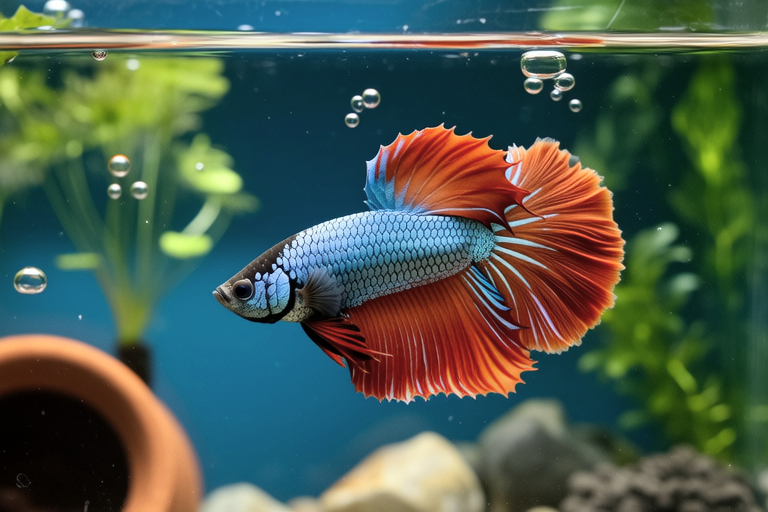
Top 10 Secrets for Keeping Your Betta Happy and Healthy
Betta fish, also known as Siamese fighting fish, are popular pets due to their vibrant colors and flowing fins. However, maintaining a happy and healthy betta requires more than just providing a bowl of water. This guide offers ten essential secrets that will ensure your betta lives a long and thriving life.
1. Ideal Tank Size
Contrary to popular belief, a small bowl is not sufficient for a betta. These fish need adequate space to swim freely. The recommended minimum tank size for a betta is five gallons. A larger tank, up to ten gallons, is even better. This ample space allows the betta to establish territories and engage in natural swimming patterns.
2. Water Temperature
Maintaining the correct water temperature is crucial for a betta’s well-being. Bettas thrive in warm waters between 76°F and 82°F (24°C and 28°C). To achieve this, consider using a heater with a thermostat. Regularly check the temperature to prevent fluctuations that could stress the fish.
3. Filtration Needs
Filtration is vital for keeping the water clean and free from harmful bacteria and ammonia. Choose a filter that matches the tank size and ensures gentle water flow. Overpowering currents can stress the betta. Filters with sponge inserts are ideal as they provide mechanical filtration while being gentle on the fish.
4. Diet Recommendations
A balanced diet is key to a healthy betta. Feed your betta a variety of high-quality flake food, pellets, and frozen or live foods like bloodworms, brine shrimp, and daphnia. Limit each feeding session to what the betta can consume within two minutes to avoid overfeeding. Feeding once or twice daily is usually sufficient.
5. Tank Mates Compatibility
Bettas are often sold as community fish, but they can be aggressive towards other bettas, especially males. They can coexist peacefully with certain species like ghost shrimp, snails, and some bottom-dwelling fish, provided there is enough space and hiding spots. Avoid housing bettas with fast-swimming fish or those with long fins, as they may become targets.
6. Regular Maintenance Routines
Regular water changes are essential to keep the tank environment clean and healthy. Aim to change 20-30% of the water weekly, ensuring the new water is treated to remove chlorine and has the same temperature as the tank. Additionally, clean the filter and decorations periodically to prevent the buildup of algae and debris.
7. Enrichment Activities
Bettas are intelligent creatures that benefit from mental stimulation. Provide enrichment by offering floating plants, caves, and tunnels. These items not only serve as hiding spots but also encourage natural behaviors like exploring and hunting. Rotate these items occasionally to keep the environment interesting.
8. Signs of a Healthy Betta
A healthy betta displays vibrant colors, active swimming, and clear eyes. Their fins should be intact and undamaged. Appetite is another indicator; a healthy betta will eagerly accept food. Regularly observe your betta for any changes in behavior or appearance, which might signal underlying health issues.
9. Common Health Issues Prevention
Prevention is better than cure when it comes to betta health. Keep the tank clean and monitor water quality. Avoid sudden temperature changes and overfeeding. Quarantine new additions to the tank to prevent introducing diseases. If you notice any unusual behavior or physical symptoms, consult a veterinarian specializing in exotic pets for proper diagnosis and treatment.
10. Importance of a Consistent Routine
Establishing a consistent routine helps reduce stress and promotes predictability for your betta. Stick to regular feeding times and maintain a steady schedule for water changes and tank maintenance. Consistency in lighting and temperature also contributes to a stable environment, enhancing the betta’s overall well-being.
In conclusion, keeping your betta happy and healthy involves more than just providing a tank and food. By following these ten secrets, you can create an optimal living environment that supports your betta’s physical and mental health. Remember, a little extra care goes a long way in ensuring your betta enjoys a long and fulfilling life.
