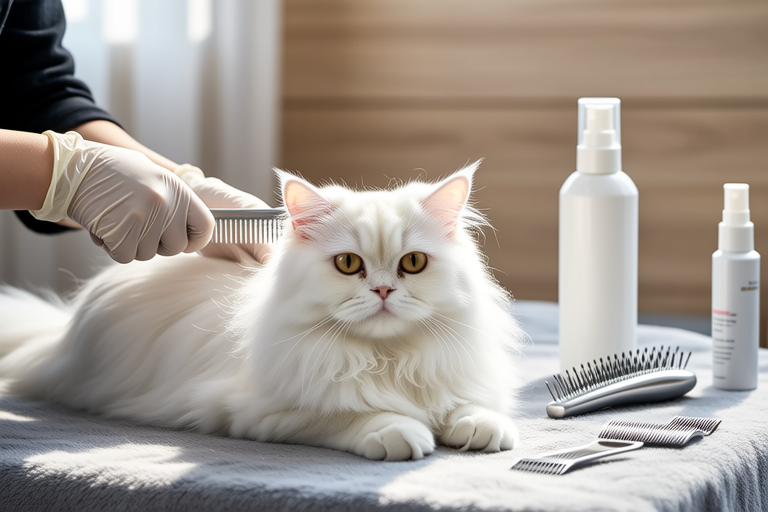
Grooming Persian Cats for Optimal Fluffiness
Persian cats are known for their luxurious, long coats that require regular and thorough grooming to maintain their beauty and health. Grooming is not just about making your cat look good; it plays a crucial role in keeping them healthy and comfortable. This guide will walk you through the process of grooming your Persian cat, covering everything from the essential tools you’ll need to detailed instructions for each aspect of grooming.
Essential Tools Needed
- Brushes: Invest in a high-quality slicker brush, a wide-toothed comb, and a bristle brush. The slicker brush helps remove tangles and dead hair, while the wide-toothed comb ensures no matting occurs. A bristle brush adds extra shine to the coat.
- Shampoo and Conditioner: Choose gentle, pH-balanced products specifically formulated for cats. Avoid human shampoos as they can strip your cat’s natural oils.
- Nail Clippers: Regularly trimmed nails prevent overgrowth, which can lead to discomfort or injury.
- Cat Ear Cleaner: A safe, vet-approved solution to clean the ears without causing irritation.
- Toothbrush and Toothpaste: Dental hygiene is vital for your cat’s overall health.
- Rubber Mat: Place this under your cat to catch any loose fur and make cleanup easier.
Detailed Instructions for Brushing
Brushing is the cornerstone of maintaining a Persian cat’s coat. Start by gently massaging your cat’s skin with your fingers to relax them. Then, use the slicker brush to work through the fur, starting at the head and moving down to the tail. Pay special attention to areas prone to matting, such as behind the ears and around the neck. Use the wide-toothed comb to ensure no mats remain. Finally, finish with the bristle brush to add shine and smoothness to the coat.
Bathing Your Persian Cat
Bathing should be done sparingly, typically every 4-6 weeks. Fill a sink or basin with warm water and place a non-slip mat inside. Gently place your cat in the water and wet their coat thoroughly. Apply shampoo, working it into a lather. Rinse thoroughly to avoid leaving any residue. Use conditioner if necessary, especially if your cat has particularly dry skin. Dry your cat with towels and a low-heat hair dryer, ensuring they are completely dry before letting them roam freely.
Nail Trimming
Trimming your cat’s nails regularly prevents overgrowth and potential injuries. Have a partner hold your cat securely while you carefully trim the tips of the nails. Be cautious not to cut the quick, which contains blood vessels and nerves. If you accidentally cut the quick, apply styptic powder to stop bleeding.
Ear Cleaning
Use a cotton ball dipped in cat-safe ear cleaner to gently wipe away any debris or wax from the outer ear. Avoid inserting anything into the ear canal, as this can cause damage. Monitor your cat’s ears for signs of infection, such as redness, swelling, or discharge.
Dental Care
Dental hygiene is crucial for preventing gum disease and tooth decay. Use a soft-bristled toothbrush designed for cats and a toothpaste made specifically for felines. Gently brush your cat’s teeth daily, focusing on the gum line where plaque tends to accumulate.
Common Grooming Mistakes to Avoid
- Over-bathing: Frequent baths can strip your cat’s natural oils, leading to dry skin and coat issues.
- Ignoring matting: Neglecting to address matted fur can lead to discomfort and even pain for your cat.
- Using inappropriate products: Human shampoos and conditioners can be harmful to cats due to their different pH levels.
Tips for Handling Scared or Uncooperative Cats
If your cat is scared or uncooperative during grooming, try breaking the session into shorter intervals. Offer treats and praise to associate grooming with positive experiences. Patience and consistency are key. If your cat remains extremely anxious, consider seeking help from a professional groomer or behaviorist.
Maintaining Their Luxurious Coat Between Professional Groomings
Between professional groomings, continue regular brushing and bathing as needed. Monitor your cat’s coat for any signs of matting or discomfort. Regular grooming also provides an opportunity to check for any unusual lumps, bumps, or changes in your cat’s skin.
The Importance of Regular Grooming for Health and Hygiene
Regular grooming is essential for maintaining your Persian cat’s health and hygiene. It helps prevent skin infections, removes dirt and debris, and keeps your cat’s coat looking its best. Grooming also allows you to bond with your cat and monitor their overall well-being.
Understanding Your Cat’s Comfort Levels During Grooming Sessions
Pay close attention to your cat’s body language during grooming sessions. Signs of distress, such as flattened ears, hissing, or attempting to escape, indicate that the session may be too intense. Adjust your approach accordingly, perhaps taking breaks or shortening the session. Building trust and patience with your cat is essential for successful grooming.
In conclusion, grooming your Persian cat is a rewarding activity that enhances both their appearance and health. By following these steps and tips, you can ensure your cat remains happy, healthy, and fluffy. Remember, the key to successful grooming lies in patience, consistency, and understanding your cat’s individual needs and comfort levels.
