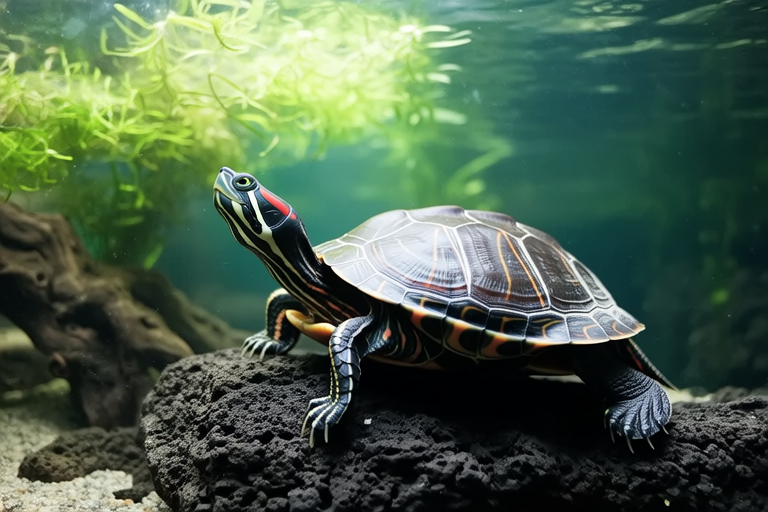
The Ultimate Red-Eared Slider Habitat Setup for Happy Turtles
Red-eared sliders (Trachemys scripta elegans) are popular pets known for their charming demeanor and relatively easy care. However, setting up a proper habitat is crucial for their health and happiness. This guide will walk you through every aspect of creating an ideal home for your red-eared slider, from tank size to dietary considerations.
Tank Size Requirements Based on Turtle Growth
The first step in creating a suitable habitat for your red-eared slider is choosing the right tank size. A common mistake is underestimating the space needed as turtles grow. For a hatchling, a 20-gallon tank is sufficient; however, this will need to be upgraded to at least 40 gallons for a juvenile and 120 gallons or more for an adult. The rule of thumb is one gallon of water per inch of shell length, plus additional space for swimming and basking.
Filtration Systems for Water Quality Maintenance
Water quality is critical for the health of your red-eared slider. Invest in a high-quality filter that can handle the tank’s volume effectively. Filters like the Fluval 306 or Eheim Classic 2217 are excellent choices. These filters help maintain clean water by removing waste, uneaten food, and other pollutants. Regularly clean the filter media and replace it as necessary to ensure optimal performance.
Basking Areas with Appropriate Lighting
Red-eared sliders need a dry area where they can bask under UVB light to synthesize vitamin D3, which aids calcium absorption. An appropriately sized basking platform should be provided, ensuring that your turtle can easily climb onto it. Position the UVB light above the basking area and ensure it covers the entire surface. Use a timer to set a consistent 12-hour daylight cycle. Avoid placing the basking area too close to the water to prevent accidental submersion.
Temperature Control for Optimal Health
Maintaining the correct temperature is vital for your turtle’s metabolism and overall well-being. The water temperature should range between 75-80°F (24-27°C), while the basking area should reach around 90-95°F (32-35°C). Use aquarium heaters and thermostats to regulate these temperatures accurately. Thermometers placed both in the water and on the basking area will help monitor conditions.
Substrate Options for Your Turtle’s Habitat
The choice of substrate depends on your preference and the specific needs of your turtle. Some owners prefer bare-bottom tanks, which simplify cleaning and reduce the risk of ingestion. Others opt for sand or gravel, but these require careful monitoring to prevent accidental consumption. Ensure any substrate chosen is non-toxic and does not interfere with water quality.
Dietary Considerations for Optimal Health
A balanced diet is key to keeping your red-eared slider healthy. Offer a variety of foods, including commercial turtle pellets, fresh vegetables like leafy greens, and occasional treats such as earthworms or feeder fish. Feed your turtle once daily, providing enough food to be consumed within 15 minutes. Avoid overfeeding, as excess food can pollute the water.
Creating a Stimulating Environment
To mimic natural habitats and encourage activity, add elements like driftwood, rocks, and aquatic plants. These not only provide hiding spots and enrichment but also help replicate the turtle’s natural environment. Ensure all items are securely anchored to prevent accidents. Rotate decorations periodically to keep the environment interesting.
Common Mistakes to Avoid
One common mistake is neglecting water changes. Regular partial water changes (about 25% weekly) help maintain water quality. Another frequent error is incorrect lighting. Always use UVB lights specifically designed for reptiles, and never substitute them with household lamps. Additionally, improper substrate choices can lead to health issues, so choose carefully.
Regular Maintenance Tips
To keep your turtle’s habitat clean and safe, perform routine checks and maintenance. Clean the tank thoroughly every few months, removing all water, substrate, and decorations. Scrub surfaces gently with a soft brush and rinse everything with clean water before returning it to the tank. Inspect equipment regularly for wear and tear, replacing parts as needed.
In conclusion, setting up the perfect habitat for your red-eared slider requires attention to detail and commitment to maintaining a healthy environment. By following these guidelines, you’ll provide your pet with a stimulating and nurturing home that promotes longevity and well-being. Remember, happy turtles make for happy owners!
