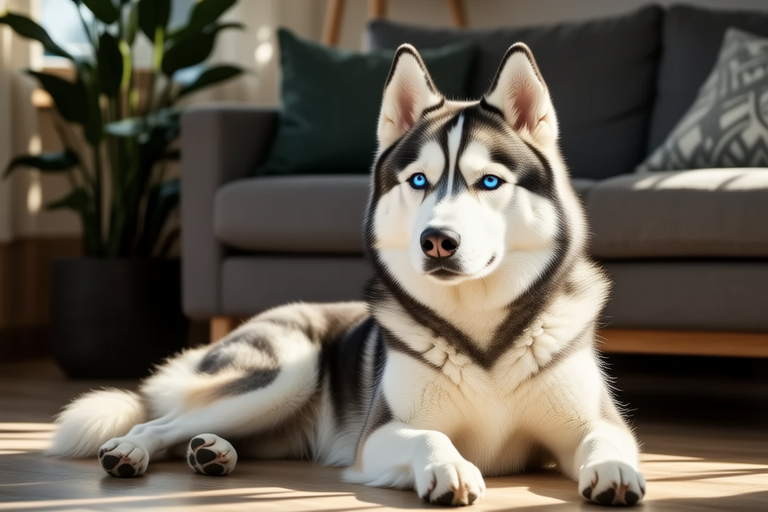
From Tundra to Couch: Transitioning Your Siberian Husky into Home Life
Welcome to the wonderful world of Siberian Huskies! These beautiful and spirited dogs have captured the hearts of many dog lovers with their striking appearance and friendly demeanor. However, transitioning a Siberian Husky from an outdoor or working environment to a cozy home life requires careful planning and understanding of the breed’s unique characteristics. This guide aims to provide you with practical advice to help your Siberian Husky settle into its new home comfortably.
Understanding the Breed’s Origins
Siberian Huskies hail from the icy regions of Siberia, where they were originally bred by the Chukchi people as sled dogs. Their history as working dogs means that they are naturally active, independent, and possess a strong sense of adventure. Understanding these roots will help you appreciate why they require particular attention when it comes to exercise, training, and companionship.
Exercise Needs
One of the most significant challenges of owning a Siberian Husky is meeting their high energy requirements. These dogs were bred to pull sleds over long distances, so they need plenty of physical activity to stay healthy and happy. A lack of adequate exercise can lead to behavioral issues such as excessive barking, digging, and chewing.
- Long Walks: Aim for at least two to three long walks per day. Each walk should last around 30 minutes to an hour, depending on your dog’s age and fitness level.
- Playtime: Engage your Husky in games like fetch or tug-of-war to stimulate both body and mind.
- Off-Leash Runs: If possible, allow your Husky some off-leash time in a secure area where it can run freely.
Training Tips
Training a Siberian Husky can be challenging due to their independent nature. Patience and consistency are key. Here are some effective training methods:
- Positive Reinforcement: Use treats and praise to reward good behavior. This method helps build a strong bond between you and your dog while encouraging desired actions.
- Consistent Commands: Keep commands simple and consistent. Avoid confusing your Husky with multiple ways of saying the same thing.
- Early Socialization: Expose your puppy to various environments, people, and other animals early on to ensure well-rounded behavior.
Dietary Considerations
A proper diet is crucial for maintaining your Husky’s health and energy levels. Given their high metabolism, they require a balanced diet rich in protein and fat. Consult with your veterinarian to determine the best food for your dog based on its age, weight, and activity level.
- Quality Ingredients: Look for foods containing real meat as the primary ingredient.
- Protein Levels: Ensure the food provides enough protein to meet their energy demands.
- Caloric Intake: Adjust portion sizes according to your dog’s activity level to prevent obesity.
Socialization Strategies
Siberian Huskies are generally friendly towards humans and other animals, but proper socialization is still essential. It helps them become well-adjusted members of your family and community.
- Introduce Gradually: Start by introducing your Husky to one person at a time in a controlled environment. Gradually increase the number of people and the complexity of the settings.
- Encourage Positive Interactions: Reward calm and gentle behavior when interacting with others.
- Expose to Various Environments: Take your Husky to different places, such as parks, pet stores, and friends’ homes, to get used to various sights, sounds, and smells.
The Importance of Patience and Consistency
Transitions can be stressful for both you and your new companion. Remember that every dog adapts differently, and it may take time for your Husky to feel fully settled. Be patient and offer plenty of love and support throughout this process.
- Establish Routines: Dogs thrive on structure. Set regular feeding, walking, and play times to create a predictable schedule.
- Stay Calm: When your Husky misbehaves, remain calm and redirect their attention to appropriate activities rather than scolding harshly.
- Seek Professional Help: If you encounter persistent behavioral issues, consider consulting a professional trainer or behaviorist for guidance.
Building a Positive Relationship
Ultimately, the goal is to foster a loving and respectful relationship with your Siberian Husky. By understanding their background, meeting their physical needs, and employing effective training techniques, you’ll create a harmonious home environment. Celebrate each milestone along the way, whether it’s learning a new trick or simply enjoying a peaceful evening together.
Embrace the journey of bringing a Siberian Husky into your life. With dedication, patience, and love, you’ll form a lasting bond with one of nature’s most captivating creatures.
