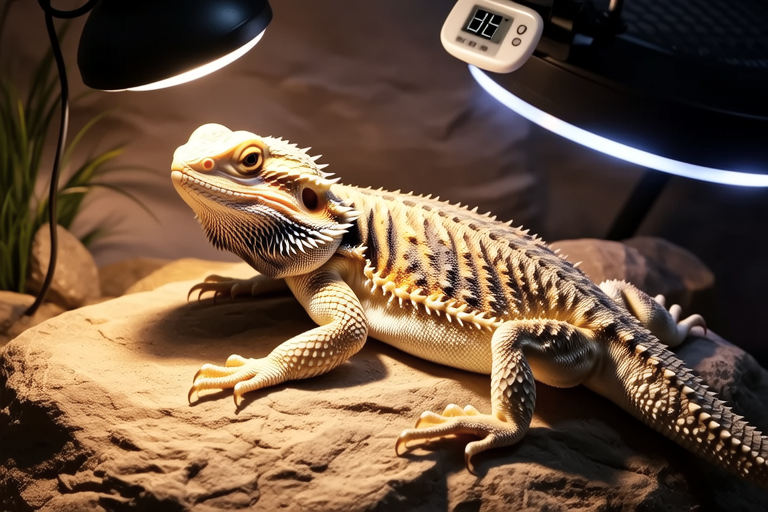
How to Spot and Prevent Common Health Issues in Your Bearded Dragon!
Welcome to this comprehensive guide on keeping your bearded dragon healthy and happy. As a responsible pet owner, it’s crucial to understand how to spot the early signs of common health issues and take preventive measures. This article will cover metabolic bone disease, respiratory infections, and dehydration, along with practical tips on diet, UV lighting, humidity levels, and handling techniques.
Metabolic Bone Disease (MBD)
Metabolic Bone Disease, or MBD, is one of the most serious health issues affecting bearded dragons. It occurs due to calcium-phosphorus imbalance, often caused by insufficient dietary calcium or inadequate exposure to ultraviolet (UV) light. Early signs of MBD include lethargy, weak limbs, tremors, and softening of the jaw, commonly known as ‘rubber jaw.’
To prevent MBD, ensure your bearded dragon has a balanced diet rich in calcium and vitamin D3. Offer dark leafy greens, such as collard greens, mustard greens, and turnip greens, and provide occasional treats like insects dusted with calcium powder. Avoid feeding iceberg lettuce, which offers little nutritional value. Additionally, maintain optimal UVB lighting, as it helps the body process calcium effectively. Replace UV bulbs every six months to ensure they remain effective.
Respiratory Infections
Respiratory infections are another common issue in bearded dragons. Symptoms include wheezing, nasal discharge, open-mouth breathing, and lethargy. These infections can be caused by poor environmental conditions, such as cold temperatures or high humidity, which weaken the immune system.
Prevent respiratory infections by maintaining appropriate temperature gradients within the enclosure. The basking area should reach 95-110°F (35-43°C), while the cooler side should stay around 75-85°F (24-29°C). Use a hygrometer to monitor humidity levels; aim for 30-40% relative humidity. If your dragon shows signs of infection, consult a veterinarian immediately. They may prescribe antibiotics or recommend supportive care measures.
Dehydration
Dehydration is a frequent problem among bearded dragons, especially during shedding periods or when the environment is too dry. Signs of dehydration include sunken eyes, wrinkled skin, and decreased activity. To prevent dehydration, provide fresh water daily and mist the enclosure regularly. Some dragons prefer drinking from shallow dishes, while others may drink droplets sprayed onto their bodies.
In addition to misting, consider purchasing a humidifier if your home’s air is particularly dry. Ensure that any water source is clean and free of contaminants. Regularly check your dragon’s hydration status by gently pinching the skin on its back; it should snap back quickly into place.
Dietary Considerations
A well-balanced diet is essential for maintaining your bearded dragon’s overall health. Provide a variety of vegetables, fruits, and protein sources to ensure they receive all necessary nutrients. Feed young dragons more frequently than adults, offering food items twice daily until they reach adulthood.
When selecting feeder insects, choose those that are appropriately sized for your dragon’s mouth. Gut-load these insects with nutritious foods before offering them to your pet. Dusting insects with calcium and vitamin D3 supplements further supports good nutrition.
UV Lighting
Proper UV lighting is vital for calcium metabolism and overall well-being. Select a high-quality UVB bulb designed specifically for reptiles, ensuring it emits the correct wavelength for bearded dragons. Position the bulb within 12 inches of where your dragon spends most of its time basking.
Replace UV bulbs every six months, even if they appear functional, as the intensity of UV radiation diminishes over time. Never use glass or plastic enclosures with UV bulbs, as these materials block UV rays. Instead, opt for screen tops or wire mesh covers that allow UV light to pass through.
Humidity Levels
Maintaining appropriate humidity levels helps prevent respiratory issues and promotes healthy shedding. While bearded dragons come from arid environments, they still require some moisture in their habitat. Use a hygrometer to monitor humidity levels and adjust accordingly.
If necessary, introduce a humid hide or add a water dish large enough for your dragon to soak in. Be cautious about over-misting, as excessive moisture can lead to fungal growth and other health problems. Aim for 30-40% relative humidity throughout the day, increasing slightly at night.
Handling Techniques
Gentle handling practices minimize stress and injury risks. Always support your bearded dragon’s entire body when picking it up, avoiding sudden movements that could startle or harm them. Wash your hands before and after handling to prevent the spread of bacteria.
Be mindful of your dragon’s mood; some may become stressed or aggressive when handled. If your dragon displays signs of discomfort, such as puffing up its beard or attempting to bite, give it space and try again later. Patience and consistency build trust between you and your pet.
Consulting a Veterinarian
While prevention is key, sometimes medical intervention is necessary. Consult a veterinarian if you notice any unusual behavior, physical changes, or persistent symptoms. Early diagnosis and treatment improve outcomes for many conditions.
Choose a veterinarian experienced with reptiles to ensure they understand your bearded dragon’s unique needs. Regular check-ups help monitor your dragon’s health and catch potential issues before they become severe. Don’t hesitate to seek professional advice whenever you have concerns about your pet’s well-being.
