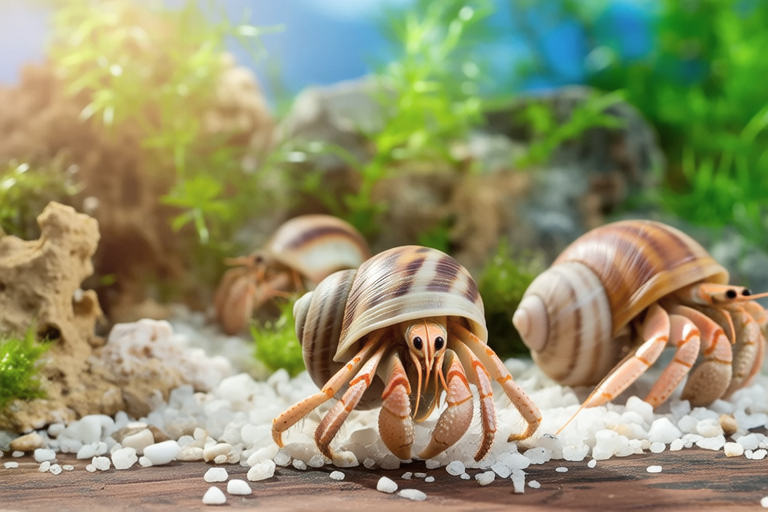
Cozy Shells and Curious Claws: A Beginner’s Journey with Hermit Crabs
Welcome to the fascinating world of hermit crabs! These unique pets have captured the hearts of many with their charming personalities and intriguing behaviors. As you embark on your journey as a hermit crab owner, you’ll discover a delightful companion that requires careful attention but offers rich rewards in return. This guide will walk you through the basics of hermit crab care, from setting up their habitat to understanding their feeding habits and health concerns.
Understanding Hermit Crabs
Hermit crabs are not true crabs; instead, they belong to the superfamily Paguroidea. Unlike their shell-less cousins, hermit crabs live in discarded mollusk shells, using them for protection. Their most notable feature is their ability to change shells when they outgrow their current one or find a more suitable one. This quirky behavior makes them endlessly entertaining to watch.
These small creatures are known for their curious nature and gentle demeanor. They can be surprisingly interactive, especially when they feel safe and comfortable in their environment. Hermit crabs are nocturnal, which means they are most active during the night, though they can still be observed and handled during the day if given the right conditions.
Setting Up the Perfect Habitat
Creating a suitable habitat is crucial for the well-being of your hermit crabs. The ideal enclosure should mimic their natural environment as closely as possible. A glass aquarium with a secure lid is recommended, providing enough space for your crabs to explore comfortably. For a single hermit crab, a ten-gallon tank is adequate; for multiple crabs, larger tanks are necessary.
The substrate in the tank plays a vital role in maintaining humidity levels. Coconut fiber, crushed coral, or a mixture of sand and soil works best. The substrate should be kept damp but not wet, as excessive moisture can lead to mold growth and respiratory issues. Regular misting with dechlorinated water helps maintain the required humidity levels, typically between 70% and 80%.
In addition to the substrate, include plenty of hiding spots and climbing structures such as driftwood, rocks, and cork bark. These items provide essential enrichment, encouraging natural behaviors and reducing stress.
Selecting Appropriate Shells
One of the most enjoyable aspects of owning hermit crabs is watching them change shells. It’s important to provide a variety of shells for your crabs to choose from. The shells should be clean and free from sharp edges or chemicals. Sizes should range from slightly smaller than their current shell to significantly larger, ensuring that there’s always a suitable option available.
To encourage shell changes, place the shells in shallow water dishes within the enclosure. Hermit crabs often prefer to change shells in water, as it simulates their natural environment. Regularly check and replace any damaged or worn-out shells to ensure your crabs always have a safe and comfortable home.
Maintaining Water Conditions
Water is crucial for hermit crabs, both for hydration and shell changes. Provide a shallow dish of dechlorinated water at all times. The water should be deep enough to cover the crab’s body but not so deep that they risk drowning. Additionally, offer a second dish with saltwater, made by mixing sea salt specifically designed for marine aquariums with dechlorinated freshwater. The saltwater dish should be changed regularly to prevent bacterial growth.
Adequate ventilation is also essential to prevent stagnant air and mold growth. Ensure the enclosure has proper airflow without allowing drafts that could chill your crabs.
Feeding Habits
Hermit crabs are omnivorous scavengers, meaning they eat a wide variety of foods. A balanced diet includes commercial hermit crab food, fresh fruits, vegetables, and occasional protein sources like boiled egg or fish. Avoid feeding them processed human foods, as these can be harmful. Offer a mix of foods in shallow dishes placed around the enclosure, ensuring they have easy access.
Hermit crabs also enjoy gnawing on calcium-rich objects like cuttlebone or crushed eggshells. These items help maintain strong exoskeletons and promote healthy molting.
Health Concerns and Common Behaviors
Observing your hermit crabs’ behavior can provide valuable insights into their health. Healthy hermit crabs are active, responsive, and show interest in their surroundings. Signs of illness include lethargy, lack of appetite, difficulty moving, or softening of the exoskeleton. If you notice any concerning symptoms, consult a veterinarian specializing in exotic animals.
One of the most exciting behaviors to witness is molting. During this process, hermit crabs shed their old exoskeleton and grow a new one. Molting periods vary in length depending on the crab’s size and age, but it typically takes several weeks. During this time, hermit crabs need a quiet, undisturbed environment and access to a shallow dish of water for hydration. Avoid handling them during this sensitive period.
Bonding with Your Hermit Crabs
Building a relationship with your hermit crabs takes time and patience. Begin by spending time near their enclosure, allowing them to become accustomed to your presence. Gradually introduce gentle handling sessions, being careful not to startle them. Over time, some hermit crabs may become comfortable enough to crawl onto your hand or explore outside their enclosure under supervision.
Watching hermit crabs interact with each other and their environment is one of the joys of ownership. They exhibit a range of behaviors, from exploring new territories to engaging in playful activities. Spend time observing their daily routines and note any changes in behavior, as these can indicate shifts in their well-being.
Resources and Community Support
As a new hermit crab owner, finding reliable resources and connecting with experienced keepers can greatly enhance your experience. Books, magazines, and online forums dedicated to hermit crab care offer valuable information and tips. Local pet stores often carry supplies and can provide guidance tailored to your specific needs.
Joining hermit crab enthusiast groups on social media platforms or participating in local meetups allows you to connect with fellow enthusiasts. Sharing experiences, asking questions, and learning from others can help you become a more knowledgeable and confident hermit crab owner.
Remember, the key to successful hermit crab care lies in dedication, education, and a willingness to adapt as your crabs grow and change. With proper care and attention, you’ll find that these curious creatures bring endless joy and companionship to your home.
