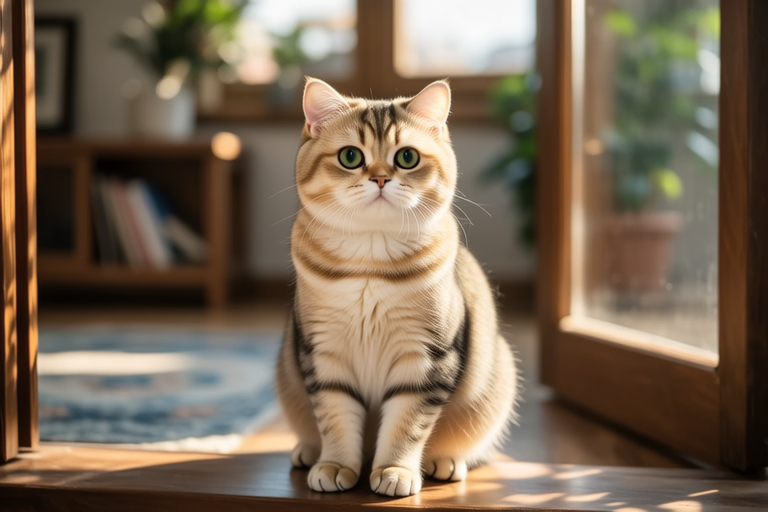
From Royalty to Home Sweet Home: Life with a Golden British Shorthair
Welcome to the world of the Golden British Shorthair, a breed that combines regal elegance with the warmth of a cherished family member. These cats, often seen gracing the pages of pedigrees and show rings, can be seamlessly integrated into your domestic home environment, bringing with them a unique blend of charm, intelligence, and affection.
The Transition from Pedigree to Domestic Life
Adopting a British Shorthair cat from a pedigree or show background means welcoming a creature accustomed to the spotlight into the comfort of your home. This transition requires careful consideration and patience. Initially, your golden companion might exhibit some reserved behavior, but with time, they will open up to their new surroundings. Providing a quiet, secure space for them to explore at their own pace can greatly ease this adjustment.
Unique Characteristics of the Golden Coat
The golden coat of the British Shorthair is one of its most striking features. Soft and plush, it reflects a rich array of colors, ranging from honey gold to deep amber. Their coats are dense and short, making them appear robust and sturdy. The golden hue adds a touch of warmth to any home, and their appearance is reminiscent of a plush toy come to life. Regular brushing helps maintain the lustrous sheen of their fur, preventing matting and hairballs.
Personality Traits and Typical Behaviors
British Shorthairs are known for their calm and gentle demeanor. They are not overly active, preferring quieter moments over constant play. However, this does not mean they lack interest in their surroundings. They are curious and observant, often watching from high vantage points like window sills or bookshelves. Their personalities are as varied as their coats; some may be more outgoing, while others prefer a more solitary existence.
One of the most endearing traits of these cats is their affectionate nature. They form strong bonds with their owners, often seeking out companionship and comfort. Many enjoy being petted and can become quite attached to their human families. Their purring is a soothing sound that fills the home with contentment.
Tips for New Owners
Introducing a British Shorthair to a new home requires patience and understanding. Creating a safe and comfortable environment is key. Provide them with a designated space where they can retreat if feeling overwhelmed. Gradually introduce them to other household members and pets, allowing them to set the pace of interaction.
Establishing a routine is also beneficial. Cats thrive on consistency, and having a predictable schedule for feeding, playtime, and grooming can help them feel secure. Additionally, providing toys that stimulate both their minds and bodies can prevent boredom and encourage healthy activity.
Common Health Concerns
While generally healthy, British Shorthairs can be prone to certain health issues. Hypertrophic cardiomyopathy, a condition affecting the heart muscle, is one concern. Regular veterinary check-ups are essential to monitor their overall health and catch any potential problems early. Dental care is another important aspect, as many cats can develop periodontal disease. Brushing their teeth regularly and providing dental treats can help maintain oral hygiene.
Obesity is another common issue, particularly due to their sedentary nature. Ensuring they have a balanced diet and opportunities for physical activity can help manage their weight and promote longevity.
Grooming Needs
The short, dense coat of the British Shorthair requires minimal grooming, but regular brushing is still recommended. Use a soft-bristled brush to remove loose hair and distribute natural oils throughout the coat. Bathing is rarely necessary unless they get particularly dirty, but when needed, choose a gentle shampoo formulated for cats. Pay special attention to their ears and eyes during grooming sessions, ensuring they remain clean and free of debris.
Dietary Recommendations
A balanced diet is crucial for maintaining the health and vitality of your British Shorthair. High-quality cat food that meets their nutritional needs is essential. Look for options that include lean proteins, such as chicken or fish, and avoid foods containing fillers or artificial preservatives. Fresh water should always be available to keep them hydrated. Consult with your veterinarian to determine the appropriate portion sizes and feeding schedule based on your cat’s age, weight, and activity level.
Personal Experiences and Anecdotes
My journey with my golden British Shorthair, named Luna, has been nothing short of magical. From the moment I brought her home, she displayed a curious yet cautious demeanor. It took several weeks before she fully embraced her new environment, but once she did, she became a cherished member of the family. Her golden coat shone under the sunlight streaming through the windows, and her gentle purring filled the house with warmth.
Luna has a particular affinity for high places, often perching on the top of cabinets or shelves, surveying her domain. She enjoys interactive play sessions, especially with feather toys, which provide mental stimulation and exercise. Her adaptability and charm make her a delightful companion, and the bond we share is a testament to the joy these cats bring into our lives.
Conclusion
Bringing a British Shorthair into your home is an enriching experience that offers companionship, love, and endless entertainment. Their golden coats, gentle nature, and unique personalities make them ideal companions for families seeking a low-maintenance yet affectionate pet. By understanding their specific needs and providing a loving environment, you can ensure a happy and fulfilling life for your golden British Shorthair. Embrace the journey from royalty to home sweet home, and cherish every moment spent with your beloved feline friend.
