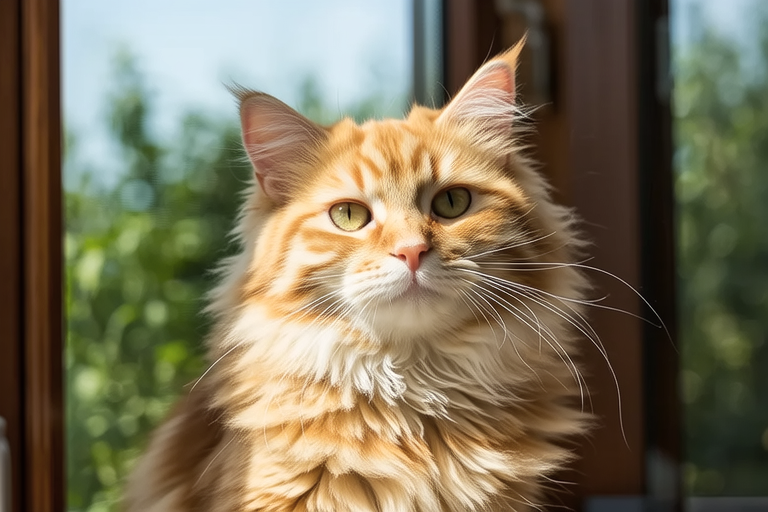
The Mysterious World of Orange Cats: Unveiling Their Secrets
Orange cats, with their striking fur and charismatic personalities, have long captured the hearts of cat enthusiasts worldwide. These felines come in various shades, from fiery oranges to soft creams, and each one brings its own unique set of behaviors, preferences, and quirks. By exploring the daily lives, personality traits, and interactions of orange cats, we can uncover the secrets behind their charming demeanor and develop a deeper understanding of these beloved pets.
Common Misconceptions About Orange Cats
One of the most prevalent myths about orange cats is that they are all male. While it’s true that the majority of orange cats are indeed male, there are exceptions. Approximately four out of five orange cats are male due to genetics, but female orange cats do exist. Another misconception is that all orange cats have docile personalities. In reality, orange cats can be just as playful, curious, and energetic as any other breed. Their temperament varies widely depending on individual factors such as upbringing, environment, and genetic makeup.
Personality Traits and Interactions With Humans
Orange cats are known for their friendly and sociable nature, making them excellent companions for families and individuals alike. They often form strong bonds with their human caregivers, seeking attention and affection whenever possible. Many orange cats enjoy being petted and will purr contentedly when receiving love and care. However, they also value their independence and may occasionally retreat to a quiet corner for some alone time.
These felines are often highly observant and can quickly pick up on the emotions of their human counterparts. When their owners are feeling sad or stressed, orange cats tend to become more attentive and comforting, offering gentle nudges and purring sounds to soothe their loved ones. This empathetic behavior stems from their natural instincts as social animals, which have been honed over thousands of years of cohabitation with humans.
Communication Methods
Orange cats communicate in a variety of ways, using both vocalizations and body language to express their needs and desires. Meowing is one of the most common forms of communication, and orange cats are known for their melodic and sometimes even musical meows. These vocalizations can range from soft chirps to loud, demanding cries, depending on the situation. For example, a cat may meow softly when seeking attention or food, while a louder, more insistent meow could indicate distress or discomfort.
In addition to vocalizations, orange cats rely heavily on body language to convey their messages. A relaxed posture with an arched back and puffed-out tail typically signals happiness and contentment, while a flattened ear and narrowed eyes may indicate fear or aggression. Understanding your orange cat’s body language is crucial for building a strong bond and ensuring their well-being. Paying close attention to these subtle cues can help you anticipate your cat’s needs and respond appropriately.
Dietary Preferences
Like all cats, orange cats require a balanced diet rich in protein, fats, vitamins, and minerals to maintain optimal health. While there is no specific “orange cat” diet, some owners report that their feline friends have particular preferences when it comes to food. Many orange cats enjoy wet food, especially those with a strong fish or poultry flavor. However, it’s important to note that individual tastes can vary greatly, and what one cat loves another may detest.
When selecting food for your orange cat, it’s essential to consider their age, weight, activity level, and any existing health conditions. Consult with your veterinarian to determine the best nutritional plan for your pet. Additionally, providing fresh water at all times is crucial, as dehydration can lead to serious health issues.
Playtime Activities
Orange cats are generally very active and playful, often displaying a high level of energy throughout the day. They enjoy chasing toys, batting at objects, and engaging in interactive games with their human companions. One popular game among orange cats is “pounce,” where they leap onto unsuspecting objects or toys, often with surprising agility and precision. Laser pointers and feather wands are two favorite tools for stimulating playtime with these felines.
Regular play sessions are not only fun but also beneficial for your orange cat’s physical and mental well-being. Playing helps keep your cat fit and healthy while preventing boredom and destructive behavior. Aim for at least 15 minutes of playtime each day, adjusting the duration based on your cat’s energy levels and preferences.
Displaying Affection
Orange cats have a unique way of showing affection, often through subtle gestures and actions that may go unnoticed by less observant owners. One common sign of affection is kneading, where the cat gently presses their paws against a soft surface or their human’s lap. This behavior, also known as “making biscuits,” is believed to stem from kittenhood, when kittens knead their mother’s belly to stimulate milk production. In adult cats, kneading is a sign of comfort and contentment.
Another way orange cats demonstrate their affection is by rubbing their heads and bodies against their human caregivers. This action, known as “bunting,” serves multiple purposes, including scent marking and reinforcing social bonds. When your orange cat bunts you, it’s their way of saying, “You’re mine!” or “I trust you.” These small yet meaningful gestures can deepen the bond between you and your feline companion.
Scientific Insights Into Orange Cat Behaviors
The unique behaviors exhibited by orange cats can be explained, at least in part, by their genetics. As mentioned earlier, the gene responsible for orange fur color is located on the X chromosome, which means that males (who have one X and one Y chromosome) are more likely to inherit this trait than females (who have two X chromosomes). This genetic predisposition may influence certain behavioral patterns in orange cats.
Research has shown that orange cats, particularly males, tend to be more confident and outgoing compared to other cat breeds. This confidence may stem from their genetic makeup, which has been shaped by generations of selective breeding for desirable traits such as coloration and temperament. However, it’s important to remember that every cat is unique, and individual experiences and environments play a significant role in shaping behavior.
Tips for Owners
To better understand and care for your orange cat, here are some practical tips:
- Create a stimulating environment: Provide plenty of toys, scratching posts, and climbing structures to keep your cat entertained and engaged.
- Establish a routine: Cats thrive on consistency, so try to maintain a regular schedule for feeding, playtime, and grooming.
- Promote mental stimulation: Puzzle feeders and interactive toys can help keep your cat mentally sharp and prevent boredom.
- Pay attention to body language: Learning to interpret your cat’s non-verbal cues can help you anticipate their needs and respond accordingly.
- Offer affection: Spend quality time with your cat, petting, playing, and engaging in other bonding activities.
By following these guidelines and taking the time to truly understand your orange cat’s unique personality and preferences, you can build a stronger, more rewarding relationship with your furry friend.
Conclusion
The world of orange cats is full of wonder and mystery, waiting to be explored by curious and caring owners. From their distinctive coloring to their playful personalities, these felines offer endless opportunities for learning and bonding. By dispelling common misconceptions, understanding their communication methods, dietary preferences, and playtime activities, we can gain valuable insights into the lives of our orange cat companions.
With patience, empathy, and a willingness to learn, you can foster a deep and meaningful connection with your orange cat. Embrace the journey of discovery, and watch as your feline friend reveals new facets of their personality, bringing joy and companionship to your life.
