How to Care for Coral Shrimp: A Beginner’s Guide
Welcome to your comprehensive guide on how to care for coral shrimp. Whether you’re a novice aquarist or an experienced hobbyist looking to expand your collection, this guide will provide you with all the necessary information to ensure your coral shrimp thrive in their new home.
Understanding Coral Shrimp
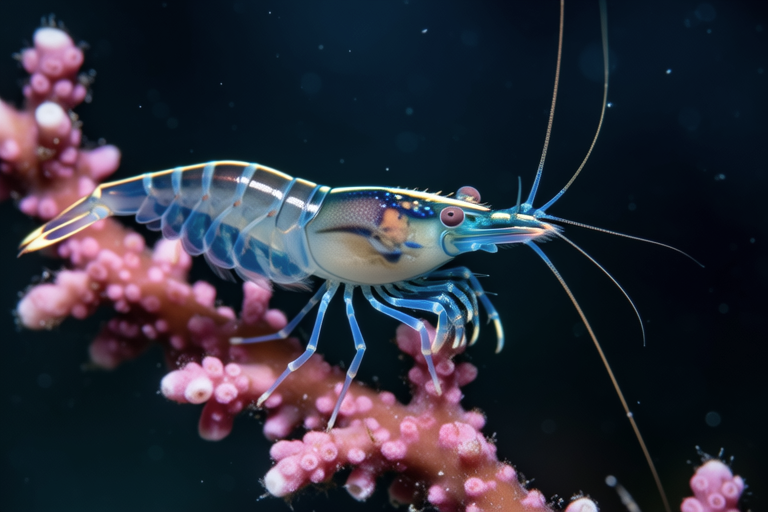
Coral shrimp, also known as peppermint shrimp, are small, colorful crustaceans that make excellent additions to marine aquariums. They are popular among hobbyists due to their striking appearance and beneficial behavior in reef tanks. These shrimp are known for their ability to consume nuisance algae, making them valuable for maintaining tank cleanliness.
Habitat Setup
Creating the right environment is crucial for the well-being of your coral shrimp. Here’s how you can set up their habitat:
- Tank Size: While coral shrimp can live in smaller tanks, it is recommended to have at least a 10-gallon tank for a single shrimp. Larger tanks are preferable if you plan to house multiple shrimp.
- Water Quality: Use a high-quality filtration system to maintain clean water. Regular water changes are essential; aim for about 10% weekly to keep the water parameters stable.
- Substrate: Opt for a fine-grained sand substrate to mimic their natural environment. Avoid sharp-edged substrates that could injure your shrimp.
- Hiding Spots: Provide ample hiding spots such as caves, rocks, and driftwood. These help reduce stress and give your shrimp a sense of security.
- Lighting: Coral shrimp prefer dim lighting. Consider using a moonlight or low-intensity LED lights to simulate natural night conditions.
Water Parameters
Maintaining optimal water conditions is vital for the health of your coral shrimp. Here are the key parameters to monitor:
- Salinity: Keep the salinity between 1.023 and 1.025 specific gravity. Use a hydrometer to check regularly.
- Temperature: Maintain a temperature range of 72-78°F (22-26°C). Invest in a reliable heater and thermometer.
- pH Level: The pH should be kept within 8.1 to 8.4. Regular testing and adjustments may be necessary.
- Air Circulation: Ensure proper circulation by using powerheads or air stones. This helps oxygenate the water.
Diet and Feeding
Feeding your coral shrimp correctly ensures they stay healthy and active. Here’s what you need to know:
- Natural Diet: In the wild, coral shrimp primarily feed on algae and detritus. They play a significant role in keeping tanks clean by consuming these substances.
- Supplemental Foods: Occasionally supplement their diet with prepared foods like brine shrimp, mysis shrimp, or commercial shrimp pellets. This provides additional nutrients.
- Frequency: Feed them once every other day. Overfeeding can lead to poor water quality and health issues.
- Observation: Always observe your shrimp eating habits. If they are not eating, there might be something wrong with their environment or health.
Common Diseases and Prevention
Keeping an eye out for potential health issues can prevent serious problems. Here are some common diseases and how to avoid them:
- Fungal Infections: These can occur if the shrimp’s shell becomes damaged. Regular water changes and maintaining good water quality can prevent fungal growth.
- Bacterial Infections: Bacteria thrive in dirty water. Frequent water changes and proper filtration are key to preventing bacterial infections.
- Predation: While coral shrimp are peaceful, they can fall prey to larger, more aggressive fish. Ensure compatibility when adding new species to the tank.
- Parasites: Parasites can weaken shrimp. Quarantine new arrivals before introducing them to the main tank.
Behavioral Insights
Understanding the behavior of your coral shrimp can help you provide better care:
- Activity Levels: Coral shrimp are nocturnal creatures, meaning they are most active during the night. During the day, they tend to hide.
- Social Behavior: Coral shrimp are generally solitary but can coexist peacefully with other peaceful tank mates.
- Interactions: They may occasionally interact with each other, especially when food is present. Monitor interactions to ensure no bullying occurs.
Regular Maintenance and Monitoring
Consistent care and observation are crucial for the longevity of your shrimp:
- Water Changes: Perform regular water changes to maintain water quality. Aim for 10% weekly and increase if necessary.
- Filter Maintenance: Clean filters as per the manufacturer’s instructions to avoid clogging and ensure efficient filtration.
- Monitoring Equipment: Check your thermometer, hydrometer, and pH meter regularly to ensure they are functioning correctly.
- Visual Checks: Spend time observing your shrimp daily. Look for signs of distress, such as lethargy or abnormal swimming patterns.
Successful Breeding
Breeding coral shrimp can be rewarding but requires careful planning:
- Compatibility: Make sure both male and female shrimp are present in the tank. They can breed successfully in community tanks.
- Spawning Conditions: Create ideal spawning conditions by ensuring water quality is top-notch and there are plenty of hiding spots.
- Egg Care: Once eggs are fertilized, the female carries them until they hatch. Provide her with plenty of hiding spots and ensure she isn’t stressed.
- Post-Hatch Care: After hatching, larvae require specialized care. Consider setting up a separate rearing tank with appropriate conditions.
Conclusion
Caring for coral shrimp can be a delightful experience for any aquarist. By following the guidelines provided in this beginner’s guide, you can ensure your shrimp live long, healthy lives. Remember, the key to successful shrimp care lies in regular maintenance, proper feeding, and attentive monitoring. With patience and dedication, you’ll enjoy watching your coral shrimp thrive in their aquatic home.
