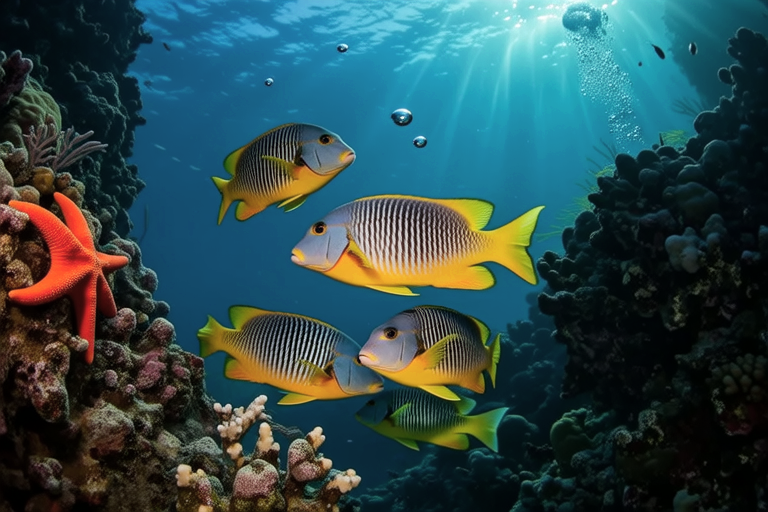
Sustainable Sea Stars: Why Keeping Parrot Fish Thrives in Marine Life Balance
Parrot fish, with their vibrant colors and unique feeding habits, play a crucial role in maintaining the delicate balance of marine ecosystems, particularly coral reefs. These fascinating creatures are not just visually stunning; they also serve as vital engineers of the underwater environment. This article explores the ecological significance of parrot fish, their contributions to coral reef health, and the sustainable practices necessary for their preservation.
The Ecological Role of Parrot Fish
Parrot fish are known for their distinctive beak-like mouths, which they use to scrape algae off rocks and corals. This feeding behavior has profound implications for the marine ecosystem. By consuming vast amounts of algae, parrot fish prevent algal blooms that could otherwise smother and kill corals. Their grazing activity also helps to maintain the structural integrity of coral reefs, promoting healthy coral growth.
Moreover, parrot fish contribute to the recycling of nutrients within the reef system. As they digest the algae, they produce sand through their specialized digestive systems. This process, known as biogenic sediment production, is crucial for the formation of beaches and islands in tropical regions. Without parrot fish, the ability of these areas to naturally replenish their sandy shores would be severely compromised.
Contributions to Coral Reef Health
Coral reefs are some of the most diverse and productive ecosystems on Earth, supporting a wide array of marine life. Parrot fish play a critical role in maintaining the health of these ecosystems by preventing the overgrowth of algae. When coral reefs become stressed due to factors such as climate change or pollution, they may lose their symbiotic algae (zooxanthellae) and turn white, a phenomenon known as coral bleaching. If left unchecked, this can lead to the death of the coral colony.
In such scenarios, parrot fish act as nature’s janitors, clearing away dead coral and algae. By doing so, they create space for new coral larvae to settle and grow. This process is essential for the regeneration of damaged reefs and the recovery of marine biodiversity. Studies have shown that reefs with healthy populations of parrot fish recover more quickly from disturbances compared to those where parrot fish numbers are depleted.
Overfishing and Its Impact
Despite their ecological importance, parrot fish face significant threats, primarily from overfishing. In many parts of the world, parrot fish are highly prized for their meat and are often targeted by commercial and recreational fisheries. The demand for these fish has led to severe population declines in certain regions, with some species becoming endangered.
Overfishing disrupts the natural balance of marine ecosystems, leading to cascading effects throughout the food chain. For instance, the removal of large numbers of parrot fish can result in unchecked algal growth, which in turn harms coral reefs. This cycle of degradation can ultimately lead to the collapse of entire reef systems, with devastating consequences for the countless species that depend on them.
Sustainable Practices for Keeping Parrot Fish
To ensure the survival of parrot fish and the health of marine ecosystems, it is essential to adopt sustainable fishing practices. One effective approach is the implementation of marine protected areas (MPAs), which provide sanctuaries where parrot fish can thrive without the threat of overfishing. MPAs have been shown to significantly increase fish populations and promote the recovery of damaged reefs.
Another important strategy is the promotion of responsible fishing methods. Techniques that minimize bycatch and avoid damaging the reef habitat, such as handlines and traps, should be encouraged. Additionally, setting catch limits and implementing seasonal closures can help to prevent the depletion of parrot fish populations.
Education and awareness campaigns also play a vital role in fostering sustainable practices. By informing local communities and fishermen about the importance of parrot fish and the benefits of sustainable fishing, we can encourage voluntary compliance with conservation measures.
Real-World Examples of Conservation Efforts
Several real-world examples demonstrate the effectiveness of conservation efforts in protecting parrot fish and restoring marine ecosystems. In the Bahamas, the establishment of the Exuma Cays Land and Sea Park in 1986 has led to a remarkable recovery of parrot fish populations. Within the park, fishing is prohibited, allowing parrot fish to flourish and contributing to the overall health of the coral reefs.
In Fiji, community-based management programs have successfully reduced fishing pressure on parrot fish. Local communities have implemented no-take zones and established rules for sustainable fishing practices. These initiatives have resulted in healthier reefs and increased fish populations, benefiting both the environment and local economies.
Scientific Insights and Future Directions
Recent scientific research has provided valuable insights into the complex interactions between parrot fish and their environment. Studies have shown that the presence of parrot fish can influence the resilience of coral reefs to environmental stressors such as ocean acidification and warming waters. Understanding these relationships is crucial for developing effective conservation strategies.
Looking to the future, ongoing research will continue to explore the role of parrot fish in marine ecosystems and identify new approaches for their protection. Advances in technology, such as remote sensing and genetic analysis, will likely play a key role in monitoring fish populations and assessing the effectiveness of conservation efforts.
