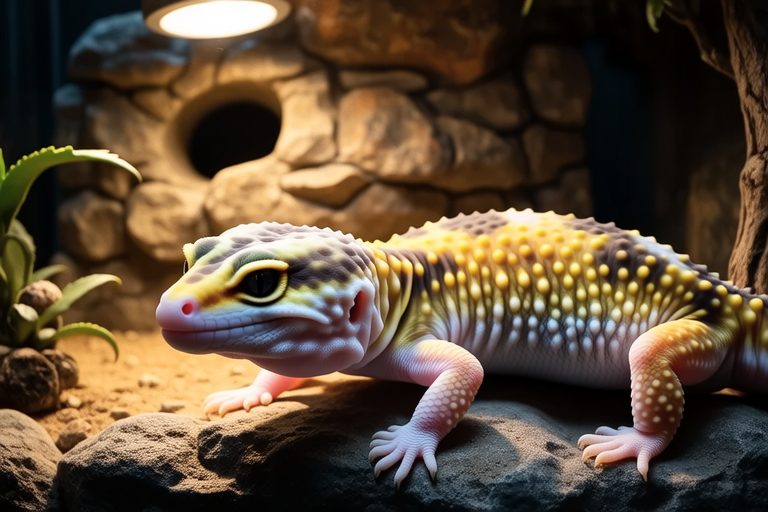
How to Create an Ideal Habitat for Your Leopard Gecko at Home
Introduction to Leopard Geckos’ Habitat Needs
Leopard geckos are popular pets due to their docile nature and relatively easy care requirements. Originating from the rocky deserts of Pakistan, India, and Afghanistan, these nocturnal reptiles have specific environmental needs that must be met to ensure their well-being. Providing the right habitat is crucial for their health and longevity.
Understanding the natural environment of leopard geckos helps in replicating it at home. In the wild, they live in arid regions with sparse vegetation, rocky outcrops, and crevices where they can hide during the day. These conditions influence their behavior and physiology, which should be mirrored in captivity.
Recommended Tank Size and Setup
The first step in creating an ideal habitat for your leopard gecko is selecting the right enclosure. A 10-gallon tank is suitable for one adult leopard gecko, but larger tanks offer more space for movement and enrichment. For multiple geckos, a 20-gallon tank or larger is preferable.
The enclosure should have secure ventilation to allow air circulation while preventing escapes. Glass aquariums with screen tops are commonly used. Avoid plastic containers as they may trap moisture and lack proper ventilation.
Place the tank in a quiet area away from direct sunlight and drafts. Leopard geckos prefer stable temperatures and dislike sudden changes. Positioning the tank in a consistent location will help maintain a steady environment.
Appropriate Substrate Options
Selecting the right substrate is vital for your leopard gecko’s health. It should be safe, easy to clean, and mimic their natural environment. Suitable substrates include:
- Coco fiber: Absorbs moisture and mimics the gecko’s natural habitat.
- Eco-earth: Provides a soft surface that retains moisture.
- Reptile carpet: Easy to clean and safe if ingested.
Avoid loose substrates like sand, gravel, or wood shavings, as they can cause impaction if ingested. Opt for safer alternatives to ensure your gecko remains healthy.
Temperature and Lighting Requirements
Leopard geckos require specific temperature gradients within their enclosure to thermoregulate. Provide a basking spot of around 90°F (32°C) on one side and a cooler area of approximately 75-80°F (24-27°C) on the other. Use a thermometer to monitor these temperatures accurately.
Heat sources can include under-tank heating pads or ceramic heat emitters. Position the heat source outside the tank to avoid burns. Always use a thermostat to control the heat and prevent overheating.
Lighting is not necessary for leopard geckos as they are nocturnal creatures. However, providing a low-level UVB light for 8-12 hours a day can aid in calcium absorption and overall health. Ensure the bulb is placed outside the tank to avoid burning the gecko.
Hiding Spots and Decor Essentials
Hiding spots are crucial for your leopard gecko’s mental and physical well-being. They provide security and reduce stress. Offer a variety of hiding spots, such as caves, cork bark, or hollow logs. Place these throughout the enclosure to create different microclimates.
Incorporate climbing structures like branches or rocks to stimulate exercise and exploration. Ensure all decorations are securely placed to prevent accidents. Additionally, adding live or artificial plants can enhance the aesthetic appeal and provide further hiding spaces.
Feeding Area Specifics
Designate a specific area within the enclosure for feeding. This helps maintain cleanliness and reduces the risk of substrate ingestion. You can use a shallow dish or a designated corner for food placement.
Feed your leopard gecko in the evening when they are most active. Offer appropriately sized insects, such as crickets or dubia roaches, dusted with calcium powder. Remove any uneaten food after a few hours to prevent contamination.
Maintaining Humidity Levels
Leopard geckos thrive in moderate humidity levels between 30% and 40%. To achieve this, mist the enclosure lightly once or twice a week, focusing on the substrate rather than directly on the gecko. Avoid over-misting, as excess moisture can lead to respiratory issues.
Humidity gauges placed inside the tank help monitor these levels. Regularly check and adjust as needed to ensure optimal conditions for your gecko.
Cleaning and Hygiene Tips
Keeping the enclosure clean is essential for your leopard gecko’s health. Spot-clean daily by removing waste and uneaten food. Perform a thorough cleaning every two weeks. This involves removing all substrate, decorations, and water dishes.
Disinfect the tank and accessories using a reptile-safe cleaner. Rinse thoroughly and allow everything to dry completely before replacing the substrate and decor. Clean water dishes daily to prevent bacterial growth.
Regular Health Checks
Monitor your leopard gecko’s health regularly. Check for signs of illness, such as lethargy, loss of appetite, weight loss, or unusual shedding. Schedule annual veterinary check-ups with a reptile specialist to ensure your gecko remains healthy.
Keep track of your gecko’s weight and behavior. Any significant changes may indicate underlying health issues. Early detection and treatment can improve outcomes and extend your gecko’s lifespan.
Safety Measures to Prevent Escape
Ensure the tank has a secure lid or mesh top to prevent escapes. Check for any gaps or loose fittings that could allow your gecko to slip through. If you notice any issues, address them immediately to maintain a safe environment.
When handling your gecko, support its body fully and avoid lifting it by the tail. This prevents injury and promotes trust between you and your pet. Supervise interactions with children to ensure the gecko remains safe and unharmed.
