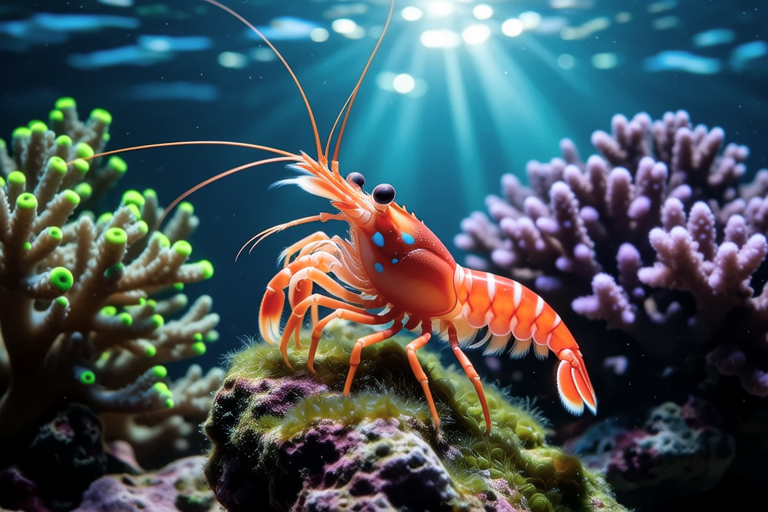
How to Create an Ideal Habitat for Your Coral Shrimp at Home
Welcome to the fascinating world of coral shrimp! These tiny, vibrant creatures add a splash of color and life to any aquarium. However, creating an ideal habitat for your coral shrimp requires careful planning and attention to detail. This comprehensive guide will walk you through the process of setting up a suitable tank environment, maintaining optimal water parameters, choosing the right filtration systems, providing adequate lighting, selecting appropriate substrate and decorations, ensuring a proper diet, and maintaining water quality.
Setting Up the Tank Environment
The first step in creating an ideal habitat for your coral shrimp is to set up the tank properly. The size of the tank depends on how many shrimp you plan to keep; generally, a 10-gallon tank can comfortably house a small group of coral shrimp. Make sure the tank has a secure lid to prevent escape, as these shrimp are known to be excellent climbers.
Water Parameters: Temperature, pH, and Hardness
Maintaining the correct water parameters is crucial for the health and well-being of your coral shrimp. Here’s what you need to know:
- Temperature: Coral shrimp thrive in temperatures between 72°F and 82°F (22°C to 28°C). Use a reliable heater and thermometer to monitor and maintain this range.
- pH: Aim for a pH level between 7.5 and 8.4. Regularly test the water with a pH kit to ensure it stays within this range.
- Hardness: Soft to moderately hard water is best for coral shrimp, with a general hardness (GH) of 3 to 12 dGH. Test kits are available to check the hardness of your water.
Filtration Systems
Effective filtration is vital for maintaining clean and healthy water. Coral shrimp prefer gentle currents, so choose a filter that provides efficient biological, mechanical, and chemical filtration without causing strong water movement. Sponge filters are particularly suitable for shrimp tanks as they are gentle and provide beneficial bacteria colonies.
Lighting Requirements
Coral shrimp are nocturnal creatures, meaning they are most active during the night. While they don’t require intense lighting, it’s important to provide them with a day-night cycle. Use LED lights with adjustable settings or timers to mimic natural daylight cycles, allowing for approximately 10-12 hours of light per day.
Substrate and Decorations
Selecting the right substrate and decorations is essential for creating a comfortable and stimulating environment for your coral shrimp. Fine sand or crushed coral is ideal, as it mimics their natural habitat and allows them to burrow and search for food. Avoid substrates with sharp edges that could injure the shrimp.
In terms of decorations, include plenty of hiding spots such as caves, driftwood, and plants. These provide security and encourage natural behaviors like exploring and hunting. Live plants not only enhance the aesthetic appeal but also improve water quality by absorbing nutrients.
Diet Specifics
Feeding your coral shrimp appropriately is key to their health and longevity. In the wild, they feed on algae, detritus, and microorganisms. In captivity, you can offer a variety of foods including:
- Algae wafers: These sinking pellets are rich in nutrients and resemble the shrimp’s natural diet.
- Blanched vegetables: Shrimp enjoy small pieces of blanched spinach, zucchini, and peas.
- High-quality shrimp pellets: Provide a balanced diet with essential vitamins and minerals.
- Microorganisms: Introduce live or frozen brine shrimp, daphnia, or other small organisms for additional protein.
Feed your shrimp once or twice daily, offering only what they can consume within a few minutes to avoid overfeeding and excess waste.
Tips for Maintaining Water Quality
Consistent water quality is crucial for the health of your coral shrimp. Follow these tips to ensure a stable and healthy environment:
- Regular water changes: Perform partial water changes (20-30%) every week or two, depending on the bioload and overall water quality.
- Monitor ammonia, nitrite, and nitrate levels: Use test kits to regularly check these parameters and address any issues promptly.
- Air stones and circulation: Incorporate air stones or powerheads to promote oxygenation and circulation, preventing stagnant areas.
- Beneficial bacteria: Establish a colony of beneficial bacteria by cycling the tank before adding shrimp. This helps break down harmful compounds like ammonia and nitrite.
Practical Advice for Beginners and Advanced Aquarists
For beginners, start with a smaller tank and focus on mastering the basics before expanding. Learn about water chemistry, filtration, and feeding habits. As you gain experience, consider more complex setups, such as incorporating live rock and incorporating a refugium for added filtration and biodiversity.
Advanced aquarists can explore more sophisticated techniques like reverse osmosis (RO) water treatment to achieve precise water parameters. Additionally, consider integrating a protein skimmer for better nutrient control in saltwater setups.
Conclusion
Creating an ideal habitat for your coral shrimp involves attention to detail and dedication to maintaining optimal conditions. By setting up the tank correctly, monitoring water parameters, selecting appropriate filtration, lighting, substrate, and decorations, and providing a balanced diet, you can ensure your coral shrimp thrive in their new home. With patience and care, you’ll be rewarded with a vibrant and thriving community of these beautiful creatures.
