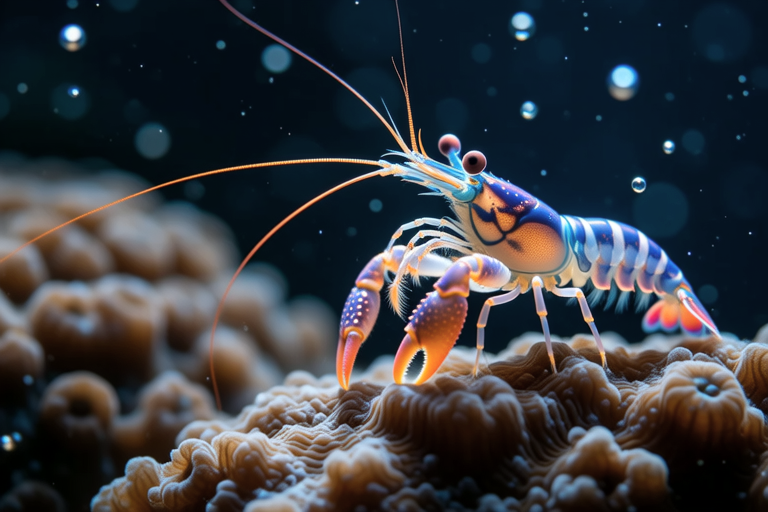
Unveiling the Mysterious World of Coral Shrimp Behavior
The ocean’s vibrant coral reefs are home to an array of fascinating creatures, among which coral shrimp stand out due to their striking colors and intriguing behaviors. This article delves into the diverse world of coral shrimp, exploring their habitats, physical adaptations, feeding habits, social structures, and interactions within the marine ecosystem.
Diversity and Habitats
Coral shrimp (genus Periclimenes) are small crustaceans that have adapted to live within the complex structures of coral reefs. These habitats provide shelter from predators and abundant food sources. Species like P. pedersoni and P. soror are common in the Indo-Pacific region, while others, such as P. antillensis, thrive in Caribbean waters. Each species has specific habitat preferences; some prefer branching corals, while others inhabit soft corals or sea anemones.
Physical Adaptations
Adaptations are crucial for survival in the competitive reef environment. Coral shrimp exhibit several unique features that enhance their survival chances. Their slender bodies, typically less than 3 cm long, allow them to maneuver through narrow crevices within coral formations. Their translucent exoskeletons reduce visibility to predators, while vibrant colors serve as warning signals against potential threats. Some species also possess specialized appendages for clinging onto surfaces securely.
Feeding Behaviors
Feeding is a critical aspect of coral shrimp’s daily routine. They primarily consume plankton, detritus, and microorganisms found in the water column. However, some species supplement their diet with mucus scraped from coral surfaces. For instance, P. pedersoni feeds on the mucus secreted by its host coral, a behavior known as ‘mucous scraping.’ This feeding strategy not only provides nutrition but also helps maintain the health of the coral by removing harmful substances.
Social Structures and Communication
Coral shrimp display various levels of social organization depending on the species. Some species are solitary, while others form small groups within their host corals. Communication among individuals is essential for coordinating activities such as feeding and defense. Visual cues, chemical signals, and tactile interactions play significant roles in maintaining group cohesion. For example, certain species release pheromones to attract mates during breeding seasons.
Interactions with Other Marine Life
One of the most remarkable aspects of coral shrimp behavior is their symbiotic relationships with other marine organisms. Many species form mutualistic associations with sea anemones or corals. In these partnerships, the shrimp benefits from protection offered by its host’s stinging cells, while the host gains improved water circulation and cleaning services. Additionally, coral shrimp act as cleaners for larger fish, removing parasites and dead tissue. This interaction promotes overall reef health and biodiversity.
Research Challenges and Future Prospects
Despite extensive research efforts, many aspects of coral shrimp behavior remain poorly understood. Current studies focus on elucidating the mechanisms behind their symbiotic relationships and how environmental changes affect these interactions. Scientists also aim to uncover the genetic basis underlying behavioral traits and adaptability to changing conditions.
The ecological significance of coral shrimp cannot be overstated. As key players in reef ecosystems, they contribute to nutrient cycling and maintain balance among different species. Understanding their role in sustaining healthy reefs is vital for conservation efforts aimed at preserving marine biodiversity.
Future research will likely employ advanced technologies, including molecular biology techniques and bioinformatics tools, to unravel the complexities of coral shrimp behavior. Collaborative projects involving international teams could lead to breakthrough discoveries about these enigmatic creatures.
In conclusion, coral shrimp represent a fascinating subject for scientific inquiry, offering insights into the intricate web of life that characterizes coral reefs. By continuing to explore their behaviors and interactions, we can gain valuable knowledge that may inform conservation strategies and enhance our appreciation of these beautiful underwater worlds.
