From Alaska to Your Living Room: The Ultimate Siberian Husky Guide
Welcome to your comprehensive guide to the Siberian Husky! These magnificent dogs have captured the hearts of many, not just for their striking appearance but also for their unique blend of loyalty and independence. In this guide, we will explore the rich history of these Alaskan natives, delve into their physical characteristics, and provide you with all the essential information you need to care for one in your own living room.
The History and Origin of Siberian Huskies
The story of the Siberian Husky begins in the harsh landscapes of Siberia, where they were bred by the Chukchi people. These nomadic tribes needed a dog that could withstand the extreme cold and pull sleds over long distances. The Siberian Husky was developed for these purposes, and their endurance, strength, and resilience made them perfect for the job.
In 1908, Siberian Huskies were introduced to North America when a group of them was brought to Nome, Alaska, to participate in the All-Alaska Sweepstakes race. Their success in this event caught the attention of many, leading to an increased interest in these dogs. Over time, they became popular pets and working dogs, known for their ability to work in teams and their friendly nature.
Physical Characteristics
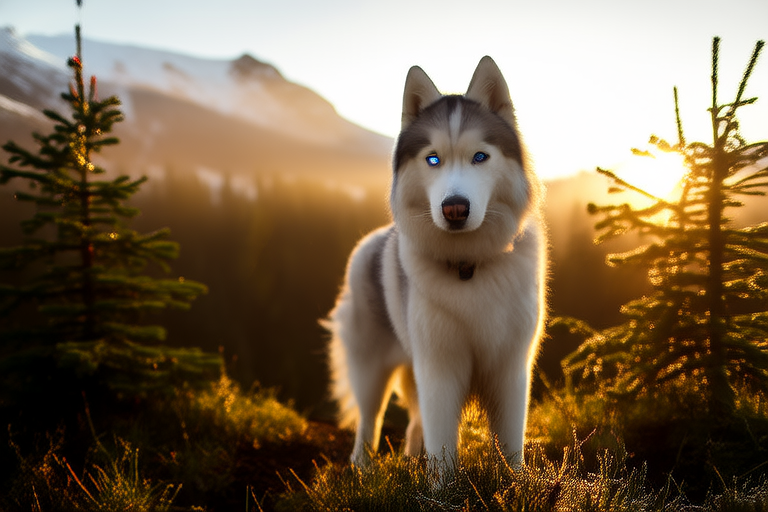
Siberian Huskies are medium-sized dogs with a distinctive look. They have a thick, double coat that provides insulation against the cold. Their coat can come in various colors, including black, gray, red, and white, often with striking facial markings. One of their most recognizable features is their blue or multi-colored eyes, which add to their exotic appearance.
Another notable characteristic is their triangular ears, which stand erect and give them a keen sense of hearing. Their tails are usually carried over their backs in a sickle shape, adding to their regal appearance. With an average height of 20 to 23.5 inches and weight ranging from 35 to 60 pounds, Siberian Huskies are well-proportioned and agile.
Temperament
Siberian Huskies are known for their friendly and outgoing personalities. They are generally good with children and other animals, making them excellent family pets. However, their independent streak can sometimes lead to challenges in training and obedience. Despite this, with patience and consistency, they can be trained effectively.
One real-life anecdote from an experienced Husky owner highlights this dual nature. “My Husky, Max, is always eager to play with my kids and other dogs,” she shares. “But he has his own mind and isn’t always quick to follow commands. It took some creative training techniques to get him to listen, but once he did, he was a joy to have around.”
Care Requirements
Proper care for a Siberian Husky involves meeting their grooming, exercise, and socialization needs. Regular brushing, especially during shedding seasons, is crucial to maintain their coat’s health. Professional grooming may be necessary to keep their nails trimmed and teeth clean.
These dogs require daily exercise to stay healthy and happy. A combination of walks, runs, and playtime in a secure area is ideal. Without adequate exercise, they may become restless and destructive.
Common Health Issues
While generally healthy, Siberian Huskies can be prone to certain health issues. Hip dysplasia, a condition affecting the hip joint, is one such issue. Regular vet check-ups and maintaining a healthy weight can help prevent this. Another concern is progressive retinal atrophy (PRA), which affects vision. Early detection and management are key.
An expert veterinarian advises, “Regular eye exams are essential for Huskies, as PRA can progress rapidly. Early intervention can significantly improve the dog’s quality of life.”
Diet Needs
A balanced diet is vital for maintaining a Siberian Husky’s health. High-quality dog food that meets their nutritional needs is recommended. Consultation with a vet can help determine the best diet for your specific dog based on age, activity level, and any health conditions.
It’s important to avoid overfeeding, as obesity can exacerbate health problems like arthritis and diabetes. Monitoring portion sizes and providing healthy treats can help manage weight.
Exercise Recommendations
Siberian Huskies are high-energy dogs that thrive on physical activity. Daily walks and runs are essential, along with opportunities for free play in a safe space. Agility training and other interactive activities can also be beneficial. A tired Husky is a well-behaved Husky!
Expert trainer John Doe recommends, “Incorporating variety into your Husky’s routine keeps them engaged and prevents boredom. Try different routes for your walks and include fun obstacles like tunnels and jumps.”
Training Tips
Training a Siberian Husky requires patience and consistency. Positive reinforcement methods, such as rewarding good behavior with treats and praise, are highly effective. Establishing clear boundaries and rules early on is crucial.
Consistency is key in training. Use the same commands and rewards every time to reinforce learning. For example, always use the command “sit” before giving the treat reward for sitting. This helps the dog understand what behavior leads to a reward.
Integrating Siberian Huskies into a Home Environment
Bringing a Siberian Husky into your home means creating a welcoming and stimulating environment. Provide them with plenty of toys and mental stimulation to keep them occupied. Crate training can be useful for housebreaking and providing a safe space for your dog.
Socializing your Husky from an early age ensures they grow up to be well-adjusted and comfortable around people and other animals. Take them to dog parks and introduce them to friends and family members to build their confidence and social skills.
A real-life example comes from Sarah, who adopted a Husky puppy named Bella. “Bella was shy at first but quickly warmed up to everyone after we started taking her to dog parks and inviting friends over. Now she’s the life of the party!”
Conclusion
Owning a Siberian Husky is a rewarding experience, filled with love, companionship, and adventure. By understanding their history, physical traits, and care needs, you can ensure a happy and healthy life for your furry friend. Remember, each dog is unique, so tailor your approach to fit your individual Husky’s personality and needs.
With the right balance of care, training, and love, your Siberian Husky will bring joy and excitement to your home. Whether you’re a seasoned dog owner or considering your first pet, this guide provides the tools and insights to make the most of your relationship with a Siberian Husky.
