Heterometrus Spinifer: An Unconventional Pet
When it comes to choosing a pet, most people think of dogs, cats, or perhaps fish and birds. However, there is a unique and fascinating creature that has been gaining attention among those seeking something out of the ordinary: the Heterometrus spinifer, commonly known as the Indian forest scorpion. This species, with its distinctive appearance and intriguing behavior, offers a compelling alternative to traditional pets. In this article, we will explore the physical characteristics, care requirements, and temperament of the Heterometrus spinifer, discuss its underappreciation as a pet, and provide tips for potential owners on how to provide optimal living conditions and safety measures. Additionally, we will examine the community of owners who keep this species and their experiences.
Physical Characteristics
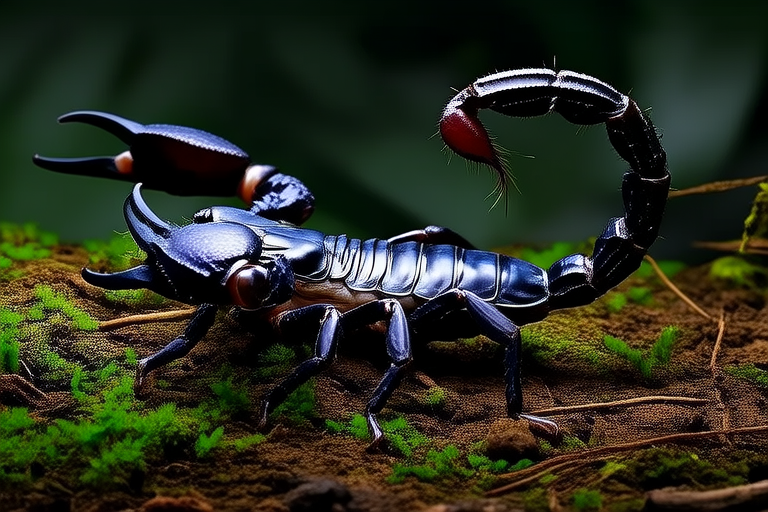
The Heterometrus spinifer is a large scorpion, typically reaching lengths of up to 8 inches (20 cm). Its most striking feature is its robust pincers, which are larger than its tail. The body coloration is usually brown or black, but some individuals may exhibit lighter shades. One of the most notable aspects of this species is the presence of small spines along the edges of its legs and tail, giving it a slightly intimidating yet elegant appearance. These spines are not venomous but serve as a defense mechanism against predators.
Care Requirements
Unlike many conventional pets, the Heterometrus spinifer requires specialized care. The enclosure should mimic its natural habitat, which consists of humid forests and dense vegetation. A glass terrarium with a secure lid is recommended, ensuring adequate ventilation while preventing escape. The substrate should be moist but not soggy, consisting of coconut fiber or a similar material. Providing hiding spots such as cork bark, logs, or artificial plants is essential for the scorpion’s comfort and well-being.
Temperature and humidity levels are critical factors in maintaining a healthy environment for the Heterometrus spinifer. The ideal temperature range is between 75°F and 85°F (24°C to 29°C), with a relative humidity level of around 70%. A heat lamp or under-tank heater can help maintain these conditions. Regular misting of the enclosure is necessary to ensure proper hydration and prevent the substrate from drying out.
Dietary needs are straightforward; the Heterometrus spinifer is primarily carnivorous and feeds on insects such as crickets, mealworms, and dubia roaches. It is important to offer a varied diet to ensure proper nutrition. Feeding should occur every 3 to 5 days, depending on the size and age of the scorpion. Gut-loading the feeder insects with nutritious food prior to feeding them to the scorpion can enhance their nutritional value.
Temperament Compared to Common Pets
While the Heterometrus spinifer may seem intimidating due to its size and appearance, it is generally docile when handled properly. Unlike dogs or cats, which require daily interaction and play, the scorpion is a low-maintenance pet that thrives in solitude. Owners often report that observing the scorpion’s natural behaviors, such as hunting and molting, provides ample entertainment.
One of the misconceptions about scorpions is that they are aggressive and dangerous. While it is true that they possess venom, the Heterometrus spinifer‘s sting is relatively mild and comparable to a bee sting. With proper handling techniques, the risk of being stung is minimal. Another misconception is that scorpions require constant interaction, which is not the case. They are solitary creatures that prefer to spend most of their time resting or hunting.
Underappreciation as a Pet
The Heterometrus spinifer remains underappreciated as a pet due to several misconceptions and lack of awareness. Many people associate scorpions with danger and fear, leading to hesitation in considering them as pets. Additionally, the initial cost of setting up an appropriate enclosure and acquiring a healthy specimen can be a deterrent for potential owners.
However, the unique qualities of the Heterometrus spinifer make it an excellent choice for those seeking an unconventional pet. Its low-maintenance nature, intriguing behavior, and relatively harmless sting offer a rewarding experience for responsible owners. By addressing misconceptions and providing accurate information, we can encourage more people to consider this species as a pet.
Tips for Potential Owners
For those interested in keeping a Heterometrus spinifer, it is crucial to research thoroughly before making a commitment. Understanding the specific care requirements and creating an appropriate living environment are key to ensuring the scorpion’s health and happiness. Here are some tips for potential owners:
- Research extensively: Familiarize yourself with the species’ natural habitat, dietary needs, and behavioral patterns. This knowledge will help you create an optimal environment for your pet.
- Invest in quality equipment: Purchase a high-quality terrarium, heating elements, and substrate to ensure a safe and comfortable living space for your scorpion.
- Handle with care: Always use gloves when handling the scorpion to protect both yourself and the animal. Approach slowly and avoid sudden movements that may startle it.
- Monitor health regularly: Keep an eye on your scorpion’s behavior and physical condition. Any signs of illness or distress should be addressed promptly by consulting a veterinarian specializing in exotic animals.
- Join a community: Connecting with other owners can provide valuable advice, support, and shared experiences. Online forums and local clubs are great resources for learning and networking.
Community of Owners
The community of owners who keep the Heterometrus spinifer is diverse and passionate about their pets. Many owners report a deep appreciation for the scorpion’s unique characteristics and the sense of responsibility that comes with caring for such a specialized animal. Some owners even participate in breeding programs, contributing to the conservation of the species.
Experiences within the community vary widely, with some owners sharing stories of successful breeding efforts and others recounting challenges they faced in maintaining optimal living conditions. Regardless of individual experiences, the shared passion for the Heterometrus spinifer unites the community and fosters a supportive network of enthusiasts.
Conclusion
The Heterometrus spinifer is a remarkable species that deserves more recognition in the pet world. Its distinctive appearance, intriguing behavior, and low-maintenance nature make it an excellent choice for responsible owners. By addressing misconceptions and providing accurate information, we can encourage more people to consider this species as a pet. The community of owners who keep the Heterometrus spinifer continues to grow, offering valuable insights and support for new and experienced owners alike. As interest in unconventional pets increases, the Heterometrus spinifer is poised to gain the recognition it deserves, becoming a beloved member of many households.
