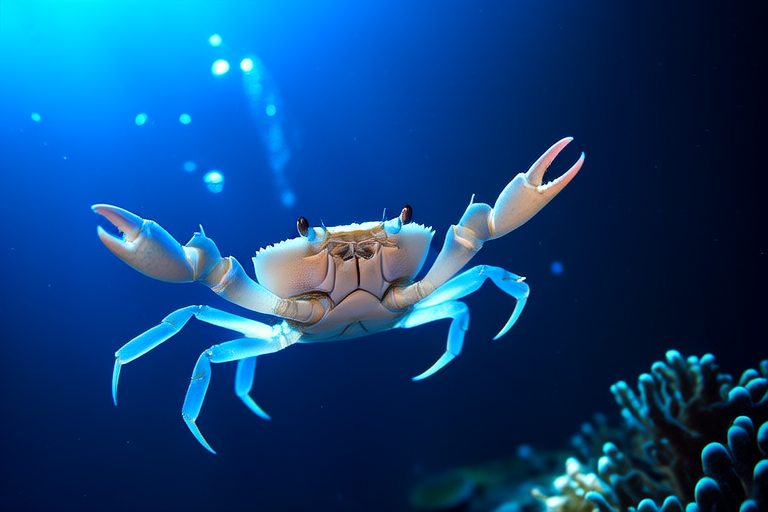
From Ocean Depths to Your Aquarium: A Look at Pea Crabs
Welcome to a journey from the ocean’s depths to your very own aquarium, where we explore the intriguing world of pea crabs. These diminutive crustaceans, scientifically known as Pinnotheridae, have captivated marine biologists and hobbyists alike with their unique lifestyle and symbiotic relationships. This article delves into the world of pea crabs, examining their habitat, appearance, role in marine ecosystems, and the challenges of maintaining them in home aquariums.
An Introduction to Pea Crabs
Pea crabs are small, typically measuring less than an inch in length, and are named for their resemblance to peas. Their habitat is particularly unique, as they live inside the bodies of other marine organisms, most commonly barnacles and certain species of sea anemones. The relationship between the pea crab and its host is a classic example of mutualism, where both species benefit from each other’s presence. For instance, the pea crab receives protection and shelter, while the host gains nutrients from the crab’s feeding activities.
The Unique Habitat of Pea Crabs
The preferred habitats of pea crabs are largely determined by the species of barnacle or anemone they choose as hosts. Barnacles are found attached to various substrates such as rocks, coral reefs, and even the hulls of ships. Anemones, on the other hand, are often anchored to the seafloor or attached to larger marine structures. Pea crabs adapt to these environments, thriving in areas rich with plankton, which forms a significant part of their diet.
These tiny crabs are highly specialized in their choice of habitat. They enter the host through its opening, either the aperture of a barnacle or the mouth of an anemone, and settle within the internal cavity. Here, they remain protected from predators and harsh environmental conditions, such as strong currents and changes in salinity.
Appearance and Size
Pea crabs are among the smallest members of the crab family, and their appearance reflects their size. They possess soft, translucent bodies that vary in color depending on the species, ranging from light brown to reddish hues. Their pincers are relatively small compared to their body size, reflecting their non-aggressive nature and their reliance on their host for protection.
Despite their petite stature, pea crabs exhibit distinct features that set them apart from other crustaceans. Their eyes are prominent, and they have long antennae that aid in navigation and communication within their cramped living spaces. Their legs are adapted for crawling and grasping, allowing them to move efficiently within their host’s body and secure food particles.
The Role of Pea Crabs in Marine Ecosystems
In marine ecosystems, pea crabs play a vital role, albeit a subtle one. As filter feeders, they consume plankton, thereby contributing to the regulation of plankton populations. This activity indirectly influences the health of the entire ecosystem by controlling nutrient cycles and supporting biodiversity.
Moreover, their symbiotic relationship with barnacles and anemones adds another layer of complexity to marine ecosystems. The presence of pea crabs can enhance the reproductive success of their hosts, as the crabs may provide additional nutrients and protection from parasites. This intricate web of interactions highlights the importance of understanding and preserving the delicate balance of marine environments.
Challenges and Considerations for Keeping Pea Crabs in Home Aquariums
Maintaining pea crabs in a home aquarium requires careful consideration of several factors, including tank mates, water parameters, and feeding habits. While these crabs are peaceful and non-aggressive, they are highly specialized and can be challenging to care for in captivity.
Selecting appropriate tank mates is crucial. Pea crabs should ideally be housed with similarly gentle and non-aggressive species, such as small shrimp, hermit crabs, or other small fish. Avoid placing them with aggressive or predatory species that could harm the crabs. Additionally, it is important to ensure that the aquarium provides ample hiding spots and structures that mimic their natural environment.
Water parameters must also be carefully managed. Pea crabs thrive in saltwater environments with stable temperature, pH levels, and salinity. Regular testing and adjustment of these parameters are essential to maintain optimal conditions. The tank should also have a filtration system that effectively removes waste and maintains water clarity without overwhelming the pea crabs.
Feeding pea crabs can be a bit tricky. In the wild, they primarily feed on plankton, but in an aquarium setting, this can be difficult to replicate. Providing a balanced diet of high-quality marine flakes, frozen foods, and live cultures of microorganisms can help meet their nutritional needs. It is important to avoid overfeeding, as excess food can lead to water quality issues.
Observing Pea Crabs: A Window into Symbiotic Relationships
Observing pea crabs in a home aquarium offers a fascinating glimpse into the intricate world of symbiotic relationships in nature. These tiny crustaceans serve as ambassadors for understanding the complex interactions that occur in marine ecosystems. By housing them alongside their host species, aquarists can witness firsthand the mutual benefits that arise from these partnerships.
The opportunity to observe pea crabs in action can also inspire a deeper appreciation for marine conservation. Understanding the delicate balance that sustains these relationships can encourage efforts to protect marine habitats and preserve biodiversity. Furthermore, studying pea crabs in captivity can contribute valuable insights to scientific research, potentially leading to new discoveries about symbiosis and marine biology.
In conclusion, pea crabs are more than just tiny, intriguing creatures; they are integral parts of marine ecosystems and offer a window into the wonders of symbiotic relationships. Whether you are a seasoned aquarist or simply curious about marine life, keeping pea crabs can provide a rewarding and enlightening experience. With proper care and attention, these small crustaceans can thrive in your aquarium, offering a fascinating view into the intricate tapestry of life beneath the waves.
