Unraveling the Mystery Behind the Enigmatic Abyssinian
The Abyssinian cat is one of the most captivating and mysterious breeds in the world of felines. Known for its striking appearance and unique history, the Abyssinian has long been admired for its elegance and charm. This article delves into the fascinating world of the Abyssinian, exploring its origins, physical characteristics, temperament, health, and care requirements. By the end, you will have a deeper understanding of why this breed continues to intrigue cat lovers around the globe.
Introduction: A Glimpse into the Abyssinian’s Unique Appearance and Historical Background
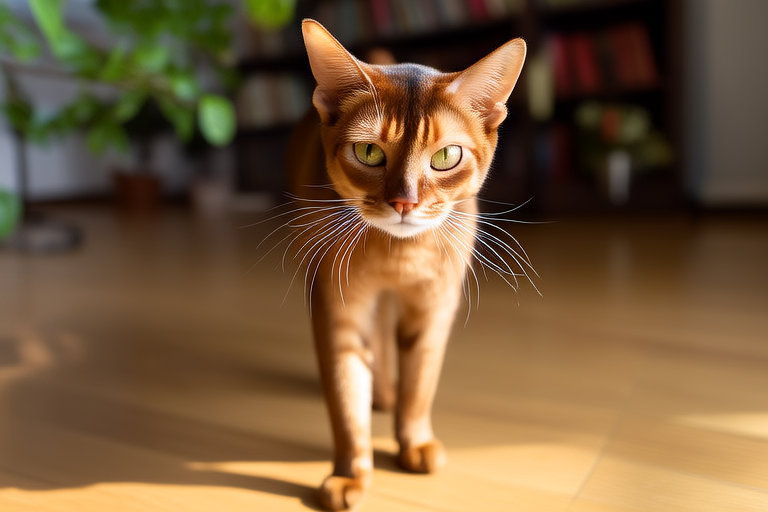
The Abyssinian cat stands out with its sleek, muscular build and an elegant posture that suggests a graceful runner. Its head is slightly rounded, with large, almond-shaped eyes that often appear to be watching the world with a mix of curiosity and amusement. The Abyssinian’s coat is one of its most notable features, characterized by its ticked tabby pattern, where each hair is banded with multiple colors, giving it a shimmering, iridescent look under light. The color palette of these cats is diverse, ranging from the traditional ruddy (a rich reddish-brown) to more exotic variations like blue, fawn, and cinnamon.
Historically, the Abyssinian is believed to have originated from ancient Egypt, where it was revered as a sacred animal. Legends tell of these cats being companions to pharaohs and guardians of temples. While modern genetic studies suggest that the Abyssinian may have roots in East Africa and Southeast Asia, its exact origin remains shrouded in mystery. One theory posits that the breed was brought to England by British soldiers returning from Abyssinia (now Ethiopia) after the Abyssinian War in the mid-19th century. Regardless of its true beginnings, the Abyssinian has become a beloved breed worldwide.
Distinctive Physical Traits: Coats, Coloration, and More
The Abyssinian’s coat is not only visually stunning but also incredibly soft to the touch. The fur is short and fine, making it easy to maintain. The ticked tabby pattern, which gives the Abyssinian its distinct appearance, is created by alternating bands of color along each hair shaft. This pattern, combined with the cat’s large ears and expressive eyes, gives the breed a wild, almost untamed look. Despite this, Abyssinians are known for their gentle and affectionate nature.
The coloration of Abyssinians can vary widely, with the most common being the ruddy brown. However, other recognized colors include blue, fawn, and cinnamon. Each variation brings its own charm and uniqueness to the breed, allowing Abyssinians to appeal to a wide range of cat enthusiasts.
Temperament, Intelligence, and Social Interactions
Abyssinians are known for their high level of intelligence and curiosity. They are active, playful cats that enjoy exploring their surroundings and engaging in interactive play. Their intelligence means they can learn tricks and respond well to positive reinforcement training. Abyssinians are also highly social animals, forming strong bonds with their human companions. They tend to follow their owners around the house, seeking attention and affection.
Despite their active nature, Abyssinians are not overly demanding of attention. They are independent enough to entertain themselves when necessary but still appreciate the company of their owners. This balance makes them ideal pets for those who want an intelligent, affectionate companion without constant supervision.
Common Health Issues and Care Requirements
Like all breeds, Abyssinians are prone to certain health issues. One of the most significant concerns for this breed is dental disease, particularly periodontal disease. Regular dental check-ups and cleaning are essential to maintain their oral health. Another issue is renal amyloidosis, a condition where abnormal proteins accumulate in the kidneys, potentially leading to kidney failure. Early detection and management of this condition can improve the quality of life for affected cats.
Dietary needs for Abyssinians should focus on high-quality protein sources and balanced nutrition. Fresh water should always be available to prevent dehydration, especially given their susceptibility to kidney issues. Exercise is also crucial for maintaining their physical and mental well-being. Providing toys and interactive playtime can help keep them active and engaged.
Tips for Potential Owners
For those considering adding an Abyssinian to their family, there are several important factors to consider. First, it’s essential to choose a reputable breeder who prioritizes the health and well-being of their cats. Genetic testing and health screenings can provide valuable information about potential health risks.
Abyssinians require regular grooming to maintain their coat’s condition. Brushing once or twice a week can help remove loose hairs and prevent matting. Bathing is usually unnecessary unless the cat gets particularly dirty.
Training and socialization are also key aspects of raising an Abyssinian. Positive reinforcement techniques, such as clicker training, can help teach basic commands and tricks. Early exposure to different environments and experiences can help ensure your Abyssinian grows up to be a well-adjusted, confident cat.
Anecdotes and Studies Highlighting Unique Behaviors
One of the most fascinating aspects of Abyssinians is their unique behaviors and social interactions. Many owners report that their Abyssinians exhibit a strong sense of curiosity and a desire to explore. Some even describe their cats as “climbing machines,” always finding new heights to perch and observe their surroundings.
Studies have shown that Abyssinians are highly communicative, often using vocalizations to express their needs and desires. Some cats have even been observed mimicking household sounds, such as the ringing of a phone or the clinking of keys, demonstrating their keen observational skills.
In addition to their individual behaviors, Abyssinians are known for their strong social bonds with both humans and other animals. Many owners have reported that their Abyssinians form close relationships with other pets in the household, often playing and interacting with dogs and other cats.
Conclusion: What Makes the Abyssinian Truly Enigmatic
The Abyssinian cat is truly a remarkable breed, combining beauty, intelligence, and a unique set of behaviors that make it stand out among other feline breeds. From its striking appearance and mysterious origins to its curious nature and strong social bonds, the Abyssinian continues to captivate and intrigue cat lovers everywhere. Whether you’re a seasoned cat owner or considering adopting your first pet, the Abyssinian offers a rewarding and enriching experience that will leave you marveling at its enigmatic charm.
