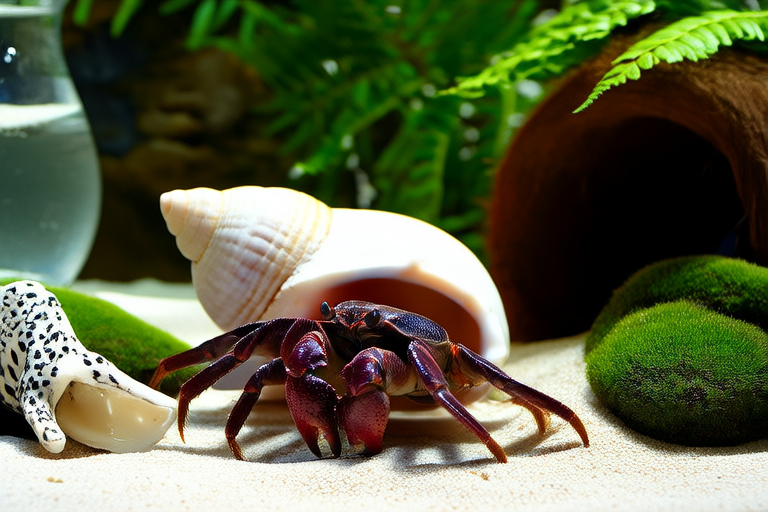
How to Create the Perfect Habitat for Your Shy Hermit Crab Companion
Welcome to the fascinating world of hermit crabs! These delightful creatures are not only captivating but also relatively easy to care for. However, they have specific needs that must be met to ensure their health and happiness. This guide will walk you through creating the ideal habitat for your shy hermit crab companion.
Selecting Appropriate Shells
The most visible part of your hermit crab’s wardrobe is its shell. Selecting the right shell is crucial as it serves as both protection and home. Start by ensuring the shell is clean and free of harmful chemicals or pesticides. Look for shells with smooth interiors and large enough openings for your crab to comfortably enter and exit. A variety of sizes and styles can encourage natural shell-mating behavior among your crabs.
It’s important to offer a selection of shells for your hermit crab to choose from. You can find these at pet stores or collect them from the beach, ensuring they are clean and free of saltwater life. Provide a range of sizes and shapes to cater to different preferences. Remember, the shell should fit snugly but not too tightly, allowing the crab to grow and change shells as needed.
Maintaining Optimal Humidity Levels
Hermit crabs thrive in humid environments. Aim for humidity levels between 70% and 80%. To achieve this, mist the enclosure daily with room-temperature water. You can also place a shallow dish filled with dechlorinated water in the tank. Avoid using tap water, as it may contain harmful chlorine or chloramines.
Humidity levels play a vital role in the health of your hermit crab. Low humidity can lead to dehydration and respiratory issues, while high humidity can cause mold growth. Monitor the humidity levels regularly and adjust as necessary. Consider investing in a hygrometer to accurately measure humidity levels in the enclosure.
Providing Safe Substrate
Adequate substrate is essential for your hermit crab’s well-being. Use coconut fiber or a mixture of sand and crushed coral. These materials are soft, absorbent, and provide a natural environment. Ensure the substrate is deep enough (at least 3 inches) for your crab to burrow and hide. Avoid using gravel or small rocks, which can harm your crab if ingested.
The substrate should be kept clean and free of debris. Regularly sift through the substrate to remove any uneaten food or waste. Replace the substrate every few months or as needed to maintain a clean and healthy environment for your hermit crab.
Ensuring Proper Temperature
Hermit crabs prefer temperatures between 75°F and 85°F (24°C to 29°C). Use a heat lamp or under-tank heater to maintain these conditions. Position the heater so it warms one side of the enclosure, creating a temperature gradient. This allows your crab to regulate its body temperature by moving between cooler and warmer areas.
Temperature fluctuations can be stressful for hermit crabs. It’s important to maintain a consistent temperature within their preferred range. Invest in a reliable thermometer to monitor the temperature inside the enclosure. Adjust heating devices as necessary to prevent overheating or chilling.
Offering Hiding Spots
Hiding spots are vital for your hermit crab’s sense of security. Provide caves, cork bark, or pieces of driftwood where your crab can retreat when feeling threatened. These structures should be stable and secure, preventing collapses that could injure your pet. Additionally, ensure there are multiple hiding spots to accommodate all members of your crab family.
Hermit crabs are naturally shy and benefit greatly from having places to hide. Offer a variety of hiding spots to suit different preferences and sizes. Ensure that these hiding spots are placed in various parts of the enclosure to encourage exploration and provide a stimulating environment.
Enriching Their Environment with Natural Elements
Incorporate natural elements such as driftwood, sea sponges, and live plants to create a more authentic setting. Driftwood not only adds aesthetic appeal but also provides climbing opportunities and additional hiding spaces. Sea sponges can be used for feeding or as enrichment items. Live plants, like java moss or ferns, add humidity and oxygenate the air.
Natural elements enrich the environment for hermit crabs, making it more stimulating and enjoyable. These elements also promote natural behaviors, such as climbing and foraging. Be sure to research any plant species before introducing them into the enclosure to ensure they are safe for hermit crabs.
Understanding Hermit Crab Behavior and Needs
To create a stress-free habitat, it’s crucial to understand your hermit crab’s behavior and needs. Hermit crabs are nocturnal and may be more active during the night. They are also social creatures and benefit from the company of others. Provide ample space and resources to accommodate multiple crabs if desired.
Hermit crabs are sensitive to changes in their environment. Sudden shifts in temperature, humidity, or lighting can cause stress. Gradually introduce any changes to allow your crab to acclimate. Understanding and respecting your hermit crab’s behavior and needs will help ensure a happy and healthy pet.
Regular Habitat Maintenance
Regular maintenance is key to keeping your hermit crab’s habitat clean and healthy. Clean the enclosure weekly, removing any uneaten food or waste. Check the substrate for signs of mold or contamination and replace as necessary. Inspect the water dishes and replace the water regularly to prevent bacterial growth.
Regular maintenance ensures the longevity and health of your hermit crab’s habitat. Pay attention to any changes in behavior or appearance, as these can indicate potential health issues. By staying vigilant and proactive, you can address any problems early and maintain a thriving environment for your hermit crab.
Signs of a Healthy Hermit Crab
A healthy hermit crab is active, alert, and responsive to stimuli. Its shell should be clean and free of algae or fungus. The gills should appear pink or red, indicating good circulation. Additionally, your crab should be eating regularly and shedding its exoskeleton periodically.
Healthy hermit crabs exhibit certain characteristics that indicate their well-being. These include regular activity, clean shells, and healthy gills. If you notice any changes in behavior or appearance, consult a veterinarian specializing in exotic pets for guidance.
By following these guidelines, you’ll create a nurturing and enriching environment for your hermit crab companion. With patience, care, and attention to detail, you can enjoy a rewarding relationship with your unique pet.
