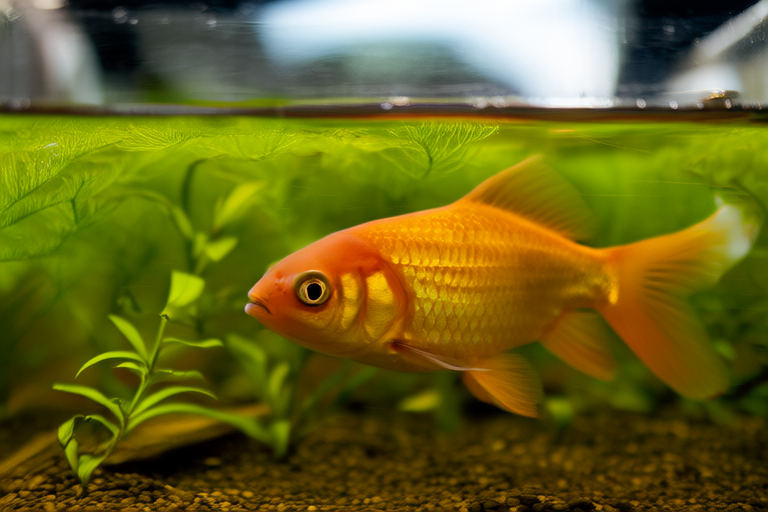
The Secret Life of Goldfish: What They Really Do All Day
Goldfish, with their vibrant colors and playful nature, have long been a favorite among pet enthusiasts. However, despite their popularity, many owners are unaware of the intricate lives their goldfish lead beneath the surface of their tanks. This article delves into the fascinating world of goldfish, exploring their behaviors, daily routines, and debunking common misconceptions about their activities.
A Look into Goldfish Cognition
Contrary to popular belief, goldfish are not simple creatures. Scientific studies have shown that goldfish possess a level of intelligence that allows them to recognize their owners, distinguish between different shapes and colors, and even learn from their experiences. One notable study involved teaching goldfish to swim through mazes, demonstrating their ability to solve problems and remember solutions.
Dr. Julian Pittman, a behavioral scientist at the University of Plymouth, has conducted extensive research on goldfish cognition. His findings suggest that goldfish can learn to associate specific sounds with feeding times, responding to these cues even when they are not hungry. This behavior is similar to Pavlovian conditioning, where animals learn to associate a stimulus with a reward.
Daily Routines and Sleep Patterns
Goldfish are active throughout the day, but their activity levels vary depending on the time of day. In the morning, they tend to be more energetic, swimming around their tank with enthusiasm. As the day progresses, their activity levels may decrease slightly, especially during midday when they might rest in a quiet corner of the tank.
Interestingly, goldfish also experience periods of sleep, though it differs from human sleep. Instead of closing their eyes, goldfish enter a state of reduced activity, often hovering motionless near the bottom of the tank. They typically sleep for short intervals throughout the night, waking up occasionally to explore their surroundings or search for food.
Owners can help their goldfish maintain a healthy sleep schedule by ensuring their tank is in a quiet area away from direct sunlight or artificial lights. A consistent lighting schedule, simulating natural daylight cycles, can also contribute to their well-being.
Feeding Habits and Diet
Goldfish are omnivorous, meaning they eat both plant and animal matter. In the wild, their diet consists of insects, small crustaceans, and algae. Pet owners should replicate this diet as closely as possible to ensure their goldfish receive proper nutrition. High-quality commercial goldfish food, supplemented with occasional treats like bloodworms or daphnia, can provide a balanced diet.
It’s important to note that overfeeding goldfish can lead to health issues, including swim bladder disorders and obesity. A general rule of thumb is to feed your goldfish only what they can consume within two minutes, twice a day. Observing their eating habits can also give you insight into their health; if they show little interest in food, it could indicate stress or illness.
Social Interactions and Tank Mates
Goldfish are generally social creatures and thrive in the company of others. However, it’s crucial to choose appropriate tank mates to avoid aggressive behavior or injury. Goldfish should ideally be kept with other goldfish, as they share similar needs and temperaments. Mixing goldfish with tropical fish can sometimes lead to conflicts due to differences in water temperature preferences and swimming speeds.
Studies have shown that goldfish living in groups exhibit more complex social behaviors than those kept alone. They engage in play, explore their environment together, and even form hierarchies within their group. Owners can encourage positive social interactions by providing ample space and hiding spots within the tank, allowing each fish to establish its territory.
Common Misconceptions About Goldfish Activities
One of the most persistent myths about goldfish is that they have a three-second memory. This misconception likely stems from their seemingly forgettable behavior, such as failing to recognize their owner immediately after being fed. However, scientific evidence suggests that goldfish can remember events for several weeks, significantly longer than just three seconds.
Another myth is that goldfish don’t need much attention or care. While goldfish are relatively low-maintenance compared to some other pets, they still require proper care to thrive. Regular water changes, clean filters, and appropriate tank decorations are essential for maintaining a healthy environment.
Enriching Your Goldfish’s Environment
To ensure your goldfish lead happy, healthy lives, consider enriching their environment with various stimuli. Adding live plants, such as java moss or anubias, can provide hiding spots and natural food sources. Floating plants, like duckweed, can also offer shade and reduce light intensity, mimicking their natural habitat.
Incorporating toys or interactive elements, such as floating balls or tunnels, can stimulate your goldfish’s curiosity and promote physical activity. These items can also serve as mental stimulation, helping to prevent boredom and encourage exploration.
Additionally, varying the layout of the tank periodically can keep your goldfish engaged. Moving rocks, plants, or decorations can create new territories and encourage social interactions among tank mates. By doing so, you’re providing your goldfish with a dynamic and stimulating environment that supports their natural behaviors.
Conclusion
The secret life of goldfish is far more intriguing than many people realize. From their impressive cognitive abilities to their complex social interactions, goldfish are fascinating creatures deserving of our attention and care. By understanding their behaviors and needs, we can provide them with enriched environments that promote their well-being and happiness.
Next time you watch your goldfish swimming gracefully in their tank, take a moment to appreciate the complexity of their world. With a little effort and knowledge, you can ensure your goldfish lead fulfilling lives, full of discovery and joy.
