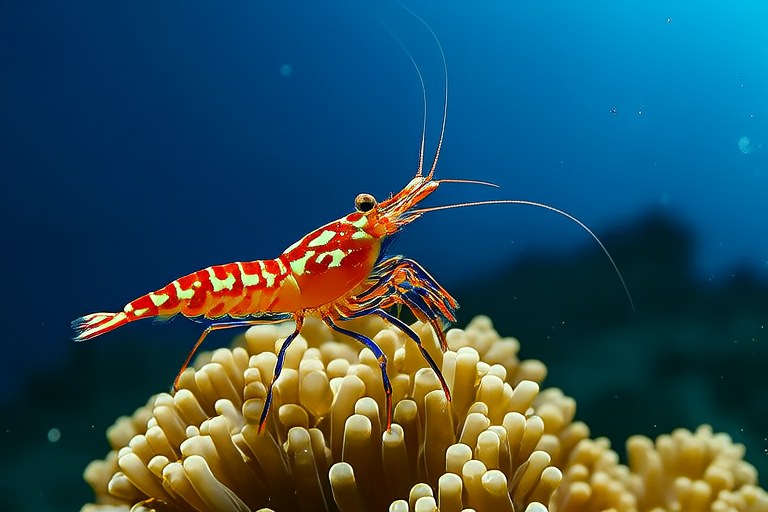
The Secret Life of Coral Shrimp: Behaviors and Care Tips Explained
Welcome to the fascinating world of coral shrimp! These tiny crustaceans play a significant role in maintaining the delicate balance of marine ecosystems. With over 400 species, coral shrimp come in various shapes, sizes, and colors, each contributing uniquely to the underwater world. This article will guide you through understanding their behaviors, the importance of their roles in reef ecosystems, and how to provide them with optimal care in your home aquarium.
Species Diversity and Natural Habitats
Coral shrimp belong to the family Stenopodidae, comprising several genera such as Stenopus, Periclimenes, and Thor. Among these, the Stenopus hispidus, commonly known as the cleaner shrimp or coral banded shrimp, is one of the most popular species among aquarists. Other notable species include the scarlet cleaner shrimp (Periclimenes magnificus) and the peppermint shrimp (Lysmata wurdemanni).
In their natural habitats, coral shrimp can be found in tropical and subtropical waters across the globe. They thrive in coral reefs, rocky crevices, and seagrass beds. These environments provide ample hiding spots and food sources, essential for their survival. Coral reefs, in particular, offer a diverse array of microhabitats, making them ideal homes for these small creatures.
Behaviors and Social Interactions
Coral shrimp exhibit intriguing behaviors that make them captivating subjects for observation. One of their most remarkable traits is their cleaning behavior. Cleaner shrimp, like the Stenopus hispidus, set up cleaning stations where they remove parasites and dead skin from larger fish. This mutualistic relationship benefits both parties; the shrimp receive a meal, while the fish enjoy a thorough cleaning. In return, some fish even develop specific signals to indicate their readiness for a cleaning session.
Social interactions among coral shrimp can vary depending on the species. While some species prefer solitude, others live in pairs or small groups. The peppermint shrimp, for instance, tends to be solitary, whereas scarlet cleaner shrimp often form pairs. Understanding these social dynamics is crucial when setting up a community tank.
Feeding Habits and Their Role in Reef Ecosystems
Feeding habits of coral shrimp are diverse, reflecting their varied diets. Some species, like the cleaner shrimp, primarily feed on parasites and detritus. Others, such as the peppermint shrimp, consume small invertebrates, algae, and leftover fish food. This dietary flexibility allows them to adapt to different environmental conditions and food availability.
In reef ecosystems, coral shrimp play vital roles beyond cleaning. By consuming detritus and algae, they help maintain water quality and prevent overgrowth on corals. Additionally, their presence can deter harmful pests, further supporting the health of the reef. Thus, coral shrimp are not just passive inhabitants but active participants in shaping their environment.
Care Tips for Aquarium Owners
Tank Setup
Creating a suitable habitat for coral shrimp requires careful consideration of several factors. A well-planned tank setup can significantly enhance their comfort and longevity. Begin by selecting a tank size appropriate for the number of shrimp you intend to keep. For a single pair of larger species, a 20-gallon tank is recommended, while smaller species may thrive in a 10-gallon setup.
Incorporate plenty of hiding spots, such as rockwork, caves, and live rock. These structures mimic their natural environment, providing security and stimulation. Ensure there are no sharp edges or spaces too small for the shrimp to enter, preventing potential injuries.
Water Parameters
Maintaining stable water conditions is critical for the health of coral shrimp. Optimal temperature ranges between 75-82°F (24-28°C), with pH levels around 8.1-8.4. Salinity should be kept at 1.023-1.025 specific gravity, replicating the conditions of their natural habitat.
Regular testing and maintenance are essential to ensure water quality remains consistent. Perform partial water changes every two weeks, removing approximately 10-20% of the tank volume. Utilize high-quality filtration systems and consider adding chemical filtration media to remove organic compounds.
Diet
Providing a balanced diet is key to keeping coral shrimp healthy and vibrant. Offer a variety of foods to cater to their diverse dietary preferences. High-protein frozen foods like brine shrimp, mysis shrimp, and bloodworms are excellent choices. Additionally, introduce algae-based foods, such as spirulina flakes or dried seaweed sheets, to encourage algae consumption.
Some species, particularly cleaner shrimp, benefit from the presence of beneficial bacteria and microorganisms in the tank. Introducing bio-balls or other porous surfaces can foster the growth of these beneficial colonies, enhancing the overall ecosystem.
Compatible Tank Mates
Selecting compatible tank mates is crucial to ensuring harmonious coexistence. Avoid aggressive or predatory fish that may pose a threat to the shrimp. Peaceful species like cardinal tetras, gobies, and clownfish are excellent companions. It’s also important to consider the shrimp’s territorial nature; overcrowding can lead to stress and aggression.
When introducing new tank mates, acclimate them slowly to avoid shocking the existing inhabitants. Gradually adjust the water parameters and temperature to match those of the main tank. Monitor interactions closely during the initial period to ensure compatibility.
Monitoring Health and Common Issues
Regularly observing your coral shrimp helps detect potential health issues early. Look for signs of stress, such as lethargy, reduced appetite, or unusual hiding behavior. Changes in coloration or transparency may indicate underlying problems.
Common issues affecting coral shrimp include bacterial infections, parasitic infestations, and poor water quality. Maintaining pristine conditions through regular water changes and proper filtration can mitigate these risks. Quarantine new additions before introducing them to the main tank to prevent the spread of diseases.
If you notice any concerning symptoms, consult a veterinarian specializing in aquatic animals. They can provide expert advice and recommend appropriate treatments tailored to your shrimp’s specific needs.
In conclusion, coral shrimp are fascinating creatures with unique behaviors and ecological significance. By understanding their diverse species, natural habitats, and care requirements, you can create a thriving environment for these delightful crustaceans in your home aquarium. With attention to detail and dedication, you’ll be rewarded with a beautiful and vibrant reef system, complete with the secret life of coral shrimp.
