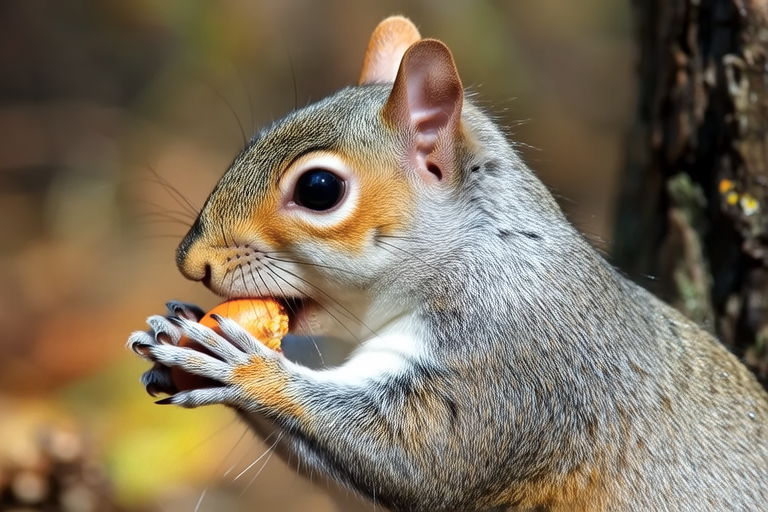
The Nutty Truth About Squirrels: Myths vs. Reality
Squirrels, those bushy-tailed creatures we often see darting around parks and gardens, are a familiar sight in both urban and rural landscapes. These small rodents are part of the family Sciuridae and include a variety of species like the eastern gray squirrel, red squirrel, and ground squirrel. They are found on every continent except Antarctica and Australia, making them one of the most widespread mammals on Earth. Their adaptability has allowed them to thrive in diverse environments, from dense forests to bustling cities. Despite their ubiquity, squirrels have been the subject of many myths and misconceptions that often overshadow their true nature and behavior.
Myth 1: Squirrels Can’t Adapt to City Life
One of the most persistent myths about squirrels is that they cannot survive in urban environments. This belief stems from the assumption that cities lack the natural resources squirrels need to thrive. However, this could not be further from the truth. Urban areas provide squirrels with abundant food sources, such as bird feeders, garbage cans, and gardens. Studies have shown that squirrels in cities can actually live longer than their forest-dwelling counterparts due to the availability of year-round food supplies.
In fact, squirrels have adapted remarkably well to city life. They have learned to navigate busy streets, cross intersections at appropriate times, and even use human-made structures like bridges and power lines. A notable example is the famous population of squirrels in Central Park, New York City. These urban dwellers have become so accustomed to human presence that they sometimes approach visitors for handouts, showcasing their ability to coexist with humans.
Observations also reveal that city squirrels are more innovative in their foraging techniques. For instance, they have been seen using tools like sticks to extract seeds from bird feeders, demonstrating problem-solving skills that rival those of their rural cousins.
Myth 2: Squirrels Are Dumb
Another prevalent myth is that squirrels are unintelligent. This misconception likely arises because squirrels seem to act impulsively and are often seen chasing each other or running erratically. However, research has shown that squirrels possess remarkable cognitive abilities. They are known to exhibit complex behaviors such as caching food, which involves burying nuts and seeds for later retrieval.
Studies conducted by animal behaviorists have demonstrated that squirrels have excellent spatial memory. They can remember the location of thousands of caches, even after several months have passed. This skill is crucial for their survival during harsh winter months when food is scarce. Furthermore, squirrels are capable of problem-solving, as evidenced by their ability to outsmart traps and avoid predators. In one experiment, researchers found that squirrels could quickly learn how to open new types of feeders, indicating their adaptability and intelligence.
A real-life anecdote that highlights their intelligence comes from a park where squirrels had been raiding bird feeders. After installing a special feeder designed to prevent access, the squirrels did not give up. Instead, they observed the mechanism and devised ways to bypass it, showing their keen observational skills and determination.
Myth 3: Squirrels Eat Only Nuts
Many people believe that squirrels subsist solely on nuts, leading to the popular image of a squirrel with a nut in its mouth. While nuts are indeed a significant part of their diet, squirrels have a much more varied diet than commonly thought. In addition to nuts, they consume fruits, seeds, fungi, insects, and even small vertebrates like baby birds. The dietary flexibility of squirrels allows them to survive in different habitats and seasons.
During autumn, when nuts and seeds are plentiful, squirrels engage in what is called ‘scatter hoarding.’ They collect and bury multiple caches of food across their territory, ensuring a reliable food source throughout the year. This behavior showcases their strategic thinking and long-term planning. In spring and summer, when plant material is more abundant, squirrels supplement their diet with fresh fruits and vegetables.
Some species, like the American red squirrel, have been observed engaging in ‘larder hoarding,’ where they store large quantities of food in one place. This behavior is particularly interesting because it requires careful management to prevent spoilage and theft by other animals.
Myth 4: Squirrels Are Harmless
While squirrels are generally harmless to humans, there are instances where they can pose a threat, particularly to property and certain ecosystems. In urban settings, squirrels can cause damage to buildings by gnawing on wood, insulation, and electrical wires. This behavior is driven by their need to maintain their teeth, which grow continuously throughout their lives. Gnawing helps them keep their teeth at an optimal length and sharpness.
Moreover, squirrels can be considered pests in some agricultural areas where they raid crops. Farmers may find it challenging to protect their produce from these agile and resourceful creatures. In natural ecosystems, overpopulation of certain squirrel species can lead to imbalances, affecting the distribution of seeds and the growth of native plants.
However, it’s important to note that squirrels play a vital role in maintaining healthy ecosystems. By dispersing seeds and digging through soil, they contribute to soil aeration and nutrient cycling. They also serve as prey for various predators, contributing to the balance of local food chains.
Conclusion
The world of squirrels is far more fascinating and complex than many realize. From their impressive adaptability to city life to their surprising intelligence and varied diets, squirrels are much more than just the cute creatures we see scurrying around parks. Understanding these aspects of their behavior helps us appreciate the intricate relationship between these animals and their environment.
As we continue to share spaces with squirrels, it’s essential to recognize their importance and strive for coexistence. By acknowledging their capabilities and needs, we can better manage potential conflicts and foster a harmonious relationship. Whether in our backyards or urban parks, squirrels remind us of the beauty and complexity of the natural world right at our doorstep.
