Silver Charm: Why Your Next Pet Might Be a British Shorthair
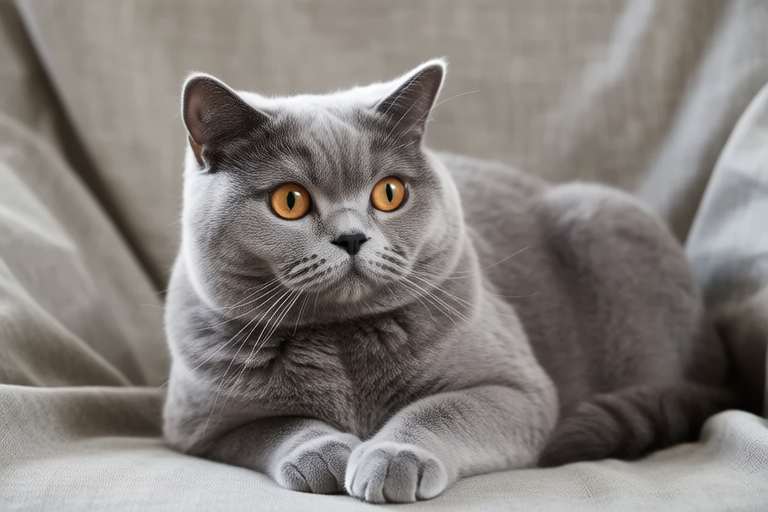
The British Shorthair is a breed of cat that has captured the hearts of many pet lovers with its unique charm and striking appearance. Known for its plush, silver coat and round face, this breed exudes a timeless elegance that makes it stand out among other feline companions. If you’re considering adding a new pet to your family, the British Shorthair could be the perfect choice. In this article, we will explore the various aspects of this beloved breed, from its distinctive looks to its gentle temperament and beyond.
A Look at the British Shorthair’s Appearance
One of the most striking features of the British Shorthair is its thick, plush coat. The silver variety, in particular, is highly sought after for its shimmering, silvery fur that catches the light beautifully. This luxurious coat is short but dense, providing a soft, cuddly texture that many find irresistible. The breed’s large, round head and wide-set, expressive eyes add to its endearing appearance, giving the British Shorthair a look that is both regal and approachable.
While silver is perhaps the most famous color for this breed, British Shorthairs come in a variety of other colors and patterns as well. These include blue, black, white, and tabby, among others. Each variation brings its own charm and beauty, making it easy to find a British Shorthair that perfectly matches your personal style and preferences.
The Gentle Temperament of the British Shorthair
Beyond their stunning appearance, British Shorthairs are renowned for their calm and affectionate nature. These cats are known for being gentle and patient, making them ideal companions for families with children or other pets. They are generally relaxed and easygoing, often content to sit quietly beside you or play gently with toys.
British Shorthairs are not typically high-energy cats, which means they don’t require constant attention or rigorous exercise. However, they still enjoy interactive play sessions and can be quite playful, especially when young. Their laid-back demeanor also makes them great for households where people are often away during the day. While they may not demand constant interaction, they will always appreciate the company of their human family members.
Grooming Needs and Health Considerations
Despite their luxurious coats, British Shorthairs are relatively low-maintenance when it comes to grooming. Their short, dense fur requires only minimal brushing to keep it free of mats and tangles. Regular brushing once or twice a week is usually sufficient to remove loose hair and distribute natural oils throughout the coat, keeping it shiny and healthy.
Like all breeds, British Shorthairs have specific health considerations that potential owners should be aware of. One of the most common issues is obesity, which can lead to a variety of health problems if left unchecked. To prevent this, it’s important to provide a balanced diet and ensure regular exercise. Regular veterinary check-ups are also essential to monitor their overall health and catch any potential issues early.
Another health concern for British Shorthairs is Polycystic Kidney Disease (PKD), a hereditary condition that affects some cats of this breed. Responsible breeding practices can help reduce the risk of PKD, so it’s important to choose a reputable breeder who screens for this condition.
Activities and Playtime
While British Shorthairs are generally calm and sedentary, they still enjoy engaging in various activities. Interactive toys, such as feather wands or laser pointers, can provide mental stimulation and physical exercise. Puzzle feeders are another excellent option, as they encourage problem-solving and keep the cat mentally engaged while eating.
British Shorthairs also enjoy exploring their surroundings, so providing them with safe spaces to climb and perch can enhance their environment. Cat trees, window perches, and even simple cardboard boxes can offer new vantage points and entertainment. These activities not only keep them physically active but also help satisfy their natural curiosity.
A Brief History of the British Shorthair
The origins of the British Shorthair can be traced back to ancient Britain, where they were likely descended from domesticated cats brought over by the Romans. Over time, these cats interbred with local wildcats, eventually developing into the breed we know today. The breed gained popularity in the late 19th century when it was exhibited at cat shows, becoming one of the founding breeds of the modern cat fancy.
The British Shorthair was officially recognized by the Cat Fanciers’ Association (CFA) in 1980, and since then, it has remained a favorite among cat enthusiasts. Its sturdy build, thick coat, and friendly disposition make it a popular choice for those seeking a loyal and loving companion.
Why Choose a British Shorthair?
In conclusion, the British Shorthair is a breed that offers much to potential owners. With its striking silver coat and round face, this breed is sure to turn heads. Its calm and affectionate temperament makes it an excellent choice for families, while its low-maintenance grooming needs and health considerations make it a practical choice for busy households.
If you’re looking for a loving, low-maintenance companion that will bring joy and warmth to your home, consider adopting a British Shorthair. Whether you’re a seasoned cat owner or new to the world of feline companionship, this breed is sure to win your heart. By choosing a British Shorthair, you’re not just getting a pet—you’re gaining a lifelong friend who will share in your daily adventures and provide comfort and companionship for years to come.
