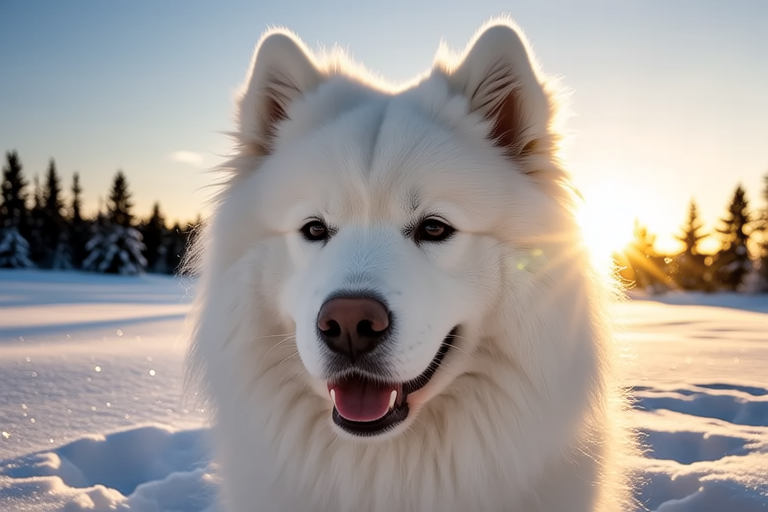
The Samoyed Breed: Origins, History, and Characteristics
The Samoyed is a breed of dog that has captured the hearts of many dog lovers around the world. Known for their striking white coats and friendly demeanor, these dogs have a rich history that dates back to Siberia. This article delves into the origins, history, and unique characteristics of the Samoyed breed, focusing on their heritage from Siberia and their role with the indigenous Samoyede people.
Origins and History
The Samoyed breed originated with the nomadic Samoyede people of Siberia. These hardy and resilient people relied on their dogs for survival. The Samoyed dogs were used for herding reindeer, pulling sleds, and providing warmth during the harsh Siberian winters. The dogs were an integral part of the Samoyede culture and were treated as family members. They were valued for their intelligence, loyalty, and affectionate nature.
The first Samoyeds were brought to England in the late 19th century by Arctic explorers. These dogs quickly gained popularity due to their striking appearance and friendly personalities. In 1906, the American Kennel Club recognized the Samoyed as a breed. Since then, the Samoyed has become a beloved companion around the world.
Physical Traits
Samoyeds are medium-sized dogs with a sturdy build. They have a thick, double coat that is white or cream in color. The outer coat is long, straight, and water-resistant, while the undercoat is soft and dense. This coat provides excellent insulation against the cold, making the Samoyed well-suited for life in the Arctic.
Samoyeds have a distinctive smile, which is caused by the upward turn of their lips. Their eyes are almond-shaped and dark brown, and their ears are triangular and erect. Their tails are long and heavily feathered, often curling over their backs.
Grooming Needs
The Samoyed’s thick coat requires regular grooming to prevent matting and tangling. Brushing should be done at least twice a week, and more frequently during shedding season. Bathing should be done only when necessary, as frequent bathing can strip the coat of its natural oils.
In addition to brushing, Samoyeds require regular nail trimming, ear cleaning, and dental care. It is important to check their ears and eyes regularly for signs of infection or irritation. Dental hygiene is also crucial, as Samoyeds are prone to dental problems.
Common Health Issues
Despite their hardy nature, Samoyeds are prone to certain health issues. Hip dysplasia, a condition where the hip joint does not fit properly into the socket, is one of the most common health problems in this breed. Other health issues include progressive retinal atrophy, a genetic disorder that causes vision loss, and hypothyroidism, a condition where the thyroid gland does not produce enough hormones.
To prevent health issues, it is important to choose a reputable breeder who performs health screenings on their breeding stock. Regular veterinary check-ups and proper nutrition can also help keep your Samoyed healthy.
Temperament
Samoyeds are known for their friendly and outgoing personalities. They are intelligent and quick learners, making them easy to train. However, their independent nature can sometimes make training challenging. Consistency and positive reinforcement are key to successful training.
Samoyeds are social animals and thrive on human companionship. They are affectionate with their families and enjoy being part of the household. They are also known for their loyalty and protective instincts, making them excellent watchdogs. However, they are not aggressive and are generally friendly towards strangers.
Training Tips
When training a Samoyed, it is important to be patient and consistent. Positive reinforcement techniques, such as treats and praise, work well with this breed. Avoid harsh punishment, as it can damage the bond between you and your dog.
Socialization is also important for Samoyeds. Exposing them to different people, animals, and environments from a young age can help prevent behavior problems later in life. Training classes can also be beneficial, as they provide opportunities for socialization and structured learning.
Interaction with Families and Other Pets
Samoyeds are excellent family dogs and get along well with children. They are playful and patient, making them ideal companions for young families. However, it is important to supervise interactions between children and dogs to ensure safety.
Samoyeds are generally good with other pets, especially if they are introduced to them at a young age. However, they may chase smaller animals, so it is important to supervise interactions with cats and other small pets. Early socialization and training can help prevent behavior problems with other animals.
Challenges and Rewards of Owning a Samoyed
Owning a Samoyed comes with both challenges and rewards. One of the biggest challenges is their grooming needs. Their thick coat requires regular maintenance, which can be time-consuming. Another challenge is their independent nature, which can make training difficult. However, their loyal and affectionate nature makes them rewarding companions.
Samoyeds are active dogs that require plenty of exercise. Providing them with daily walks and playtime can help keep them happy and healthy. Mental stimulation is also important, as Samoyeds are intelligent and need to stay mentally engaged.
Advice for Potential Owners
If you are considering bringing a Samoyed into your home, there are a few things to keep in mind. First, make sure you are prepared for the grooming requirements. Second, be patient and consistent when training your dog. Third, provide plenty of exercise and mental stimulation to keep your Samoyed happy and healthy.
It is also important to choose a reputable breeder who performs health screenings on their breeding stock. This can help prevent health problems in your dog. Finally, consider adopting a Samoyed from a rescue organization if you are unable to find a suitable breeder.
Conclusion
The Samoyed is a breed of dog with a rich history and unique characteristics. Their intelligence, loyalty, and affectionate nature make them excellent companions. While owning a Samoyed comes with challenges, the rewards of having a loyal and loving friend far outweigh the difficulties. Whether you are a first-time dog owner or an experienced pet parent, a Samoyed can bring joy and companionship to your life. With proper care and attention, your Samoyed will be a beloved member of your family for years to come.
