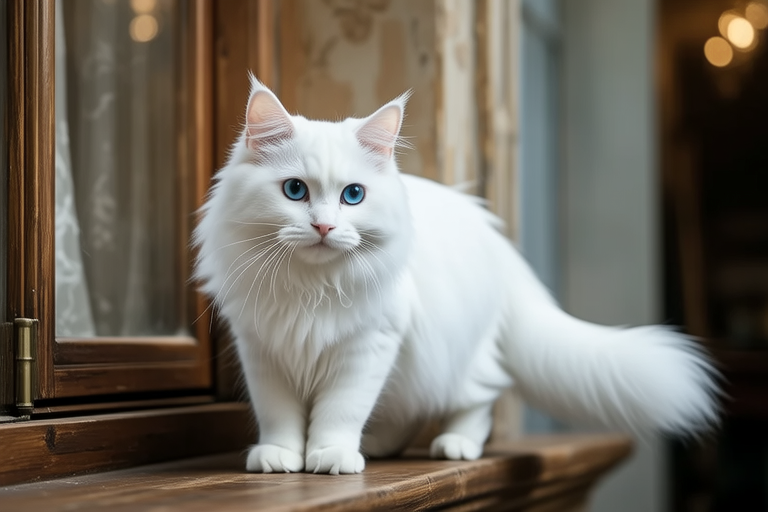
The Turkish Angora: A Royal Feline Legacy
The Turkish Angora, an elegant and graceful breed, has captured hearts and imaginations for centuries. With a rich history and distinct characteristics, this cat is more than just a pet; it’s a piece of cultural heritage. From its origins in ancient Anatolia to its modern-day popularity, the Turkish Angora continues to mesmerize cat lovers worldwide.
Origins and History
The Turkish Angora traces its roots back to the heart of Anatolia, where it has lived for thousands of years. Legends and historical records suggest that these cats were revered by the Ottoman Empire, often kept as prized companions for royalty. The breed’s name reflects its geographical origin, with “Angora” being the former name for Ankara, the capital city of Turkey.
Historical evidence indicates that the Turkish Angora was one of the first long-haired cat breeds to be recognized. Its presence in Turkey dates back to at least the 17th century, when European travelers documented their encounters with these majestic felines. Over time, the Turkish Angora became known for its elegance and regal bearing, making it a symbol of luxury and nobility.
Distinctive Characteristics
The Turkish Angora is renowned for its striking appearance. It boasts a silky, semi-long coat that is typically white, although other colors like black, blue, red, and tabby are also recognized. The breed’s most distinctive feature is its large, tufted ears, which add to its alert and intelligent expression. Additionally, Turkish Angoras have piercing, almond-shaped eyes that can be blue, green, or amber.
Beyond its physical beauty, the Turkish Angora is celebrated for its agility and athleticism. This breed is known for its playful and energetic nature, often engaging in acrobatic feats that showcase its flexibility and strength. Their sleek, muscular bodies are perfectly suited for their active lifestyle, making them excellent climbers and jumpers.
Anatolian Culture and Significance
In Anatolian culture, the Turkish Angora holds a special place. Historically, these cats were valued not only for their companionship but also for their hunting abilities. They were often kept in palaces and harems to control rodent populations, ensuring a safe environment for the royal family. Their importance extended beyond practical purposes; they were symbols of grace and refinement, often depicted in art and literature.
The Turkish government has taken steps to preserve the breed, recognizing its cultural significance. Efforts include breeding programs aimed at maintaining the purity of the Turkish Angora lineage. These initiatives underscore the breed’s importance in national identity and heritage.
Genetic Contributions
The Turkish Angora has played a significant role in the development of other cat breeds. Through selective breeding, its genes have contributed to the creation of several popular long-haired breeds, including the Balinese, Javanese, and even some strains of the Persian. This genetic legacy highlights the Turkish Angora’s influence on the broader world of feline genetics.
Myths and Legends
Many myths and legends surround the Turkish Angora, adding to its mystique. One such legend tells of a Turkish Angora that saved a shipwrecked sailor by leading him to safety. Another story credits the breed with protecting a village from a plague of rats. These tales reflect the high esteem in which the Turkish Angora was held, both historically and culturally.
Grooming
Maintaining the Turkish Angora’s luxurious coat requires regular grooming. Despite its length, the breed’s coat is relatively easy to care for due to its lack of undercoat. Weekly brushing helps prevent matting and distributes natural oils throughout the fur. Bathing should be done sparingly, as over-bathing can strip the coat of its natural oils. Regular nail trimming and dental care are also essential to ensure overall health.
Health
The Turkish Angora is generally a healthy breed with few specific genetic disorders. However, like all cats, it can be prone to certain conditions, such as hypertrophic cardiomyopathy (HCM) and patellar luxation. Early detection and management of these issues are crucial for maintaining the cat’s quality of life. Regular veterinary check-ups and a balanced diet contribute to the overall well-being of the Turkish Angora.
Temperament
The Turkish Angora is known for its friendly and affectionate nature. While independent, it enjoys interacting with its human companions and thrives in social environments. This breed is highly intelligent and can be trained to perform simple tricks or respond to commands. Their playful and curious personalities make them delightful pets, always ready for a game or a new adventure.
Tips for Potential Owners
If you’re considering adopting a Turkish Angora, there are several factors to keep in mind. First, ensure you have the time and resources to meet the breed’s grooming needs. Second, prepare for an active companion who will require mental and physical stimulation. Lastly, consider the breed’s social nature and choose a living environment that accommodates its need for interaction.
Role in Historical Events and Literature
The Turkish Angora has occasionally been mentioned in historical accounts and literature. In one famous instance, a Turkish Angora was credited with saving a shipwrecked sailor by leading him to safety. Such stories highlight the breed’s intelligence and loyalty. Additionally, Turkish Angoras have appeared in various works of fiction, often portrayed as mysterious and noble creatures.
Why the Turkish Angora Stands Out
The Turkish Angora stands out among other cat breeds due to its unique combination of elegance, intelligence, and agility. Its rich history and cultural significance make it a breed of distinction. Whether admired for its physical beauty or cherished for its companionship, the Turkish Angora remains a captivating choice for cat enthusiasts.
In conclusion, the Turkish Angora is a breed rich in history, culture, and charm. Its regal demeanor, elegant appearance, and distinctive traits make it a standout among cat breeds. For those seeking a loyal, intelligent, and beautiful companion, the Turkish Angora offers an unparalleled experience.
