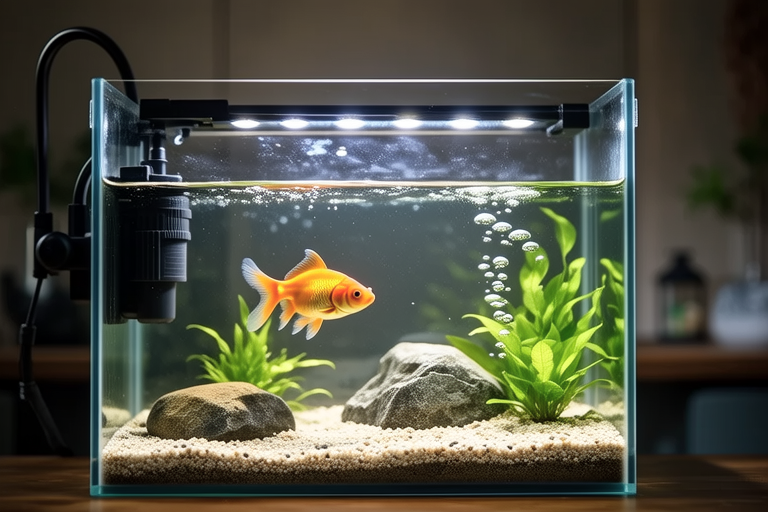
How to Create an Ideal Habitat for Your Goldfish at Home
Welcome to your comprehensive guide on how to create the perfect habitat for your goldfish. Whether you’re a seasoned aquarist or a first-time fish owner, understanding the nuances of goldfish care will ensure that your pets thrive in their aquatic environment. This article covers all the essential aspects of setting up and maintaining a goldfish tank, from selecting the right tank size to providing a balanced diet.
Selecting an Appropriate Tank Size
The first step in creating an ideal habitat for your goldfish is choosing the right tank size. Goldfish are active swimmers and need ample space to move around freely. A general rule of thumb is to provide at least 20 gallons of water per goldfish. However, if you plan to keep more than one goldfish, it’s better to have a larger tank to accommodate their growth and activity levels.
For example, a 30-gallon tank is suitable for two goldfish, while a 55-gallon tank can comfortably house three to four goldfish. It’s important to remember that goldfish grow rapidly, especially when they’re young, so consider investing in a tank that can accommodate their future size. Avoid overcrowding, as it can lead to stress and health issues for your fish.
Proper Filtration Systems
Adequate filtration is crucial for maintaining clean water and removing harmful substances such as ammonia, nitrite, and excess food particles. There are several types of filters available, including hang-on-back (HOB), canister, sponge, and under-gravel filters. Each type has its advantages, but HOB filters are popular among goldfish owners due to their effectiveness and ease of installation.
When selecting a filter, make sure it provides sufficient flow rate for your tank size. The flow rate should be about 4 to 6 times the volume of the tank per hour. For instance, a 30-gallon tank should have a filter with a flow rate of 120 to 180 gallons per hour. Proper filtration not only keeps the water clean but also helps maintain stable water parameters, which are vital for your goldfish’s well-being.
Suitable Water Temperature and pH Levels
Goldfish prefer cooler water temperatures ranging between 68°F and 74°F (20°C to 23°C). Maintaining these temperatures is essential for their metabolism and overall health. You can achieve this by using an aquarium heater, especially during colder months when ambient temperatures drop. It’s crucial to monitor the water temperature regularly and adjust the heater settings accordingly.
Regarding pH levels, goldfish thrive in slightly alkaline water with a pH range of 7.0 to 8.0. Tap water often contains chemicals like chlorine and chloramine, which can harm your fish. To ensure safe water conditions, use a water conditioner specifically designed for aquariums to neutralize these chemicals and stabilize pH levels. Regular testing of water parameters using test kits will help you maintain optimal conditions for your goldfish.
Regular Maintenance Including Water Changes
Consistent maintenance is key to keeping your goldfish healthy and happy. One of the most important tasks is performing regular water changes. Aim to change approximately 25% of the tank water weekly. During water changes, carefully remove old water using a siphon and replace it with fresh, conditioned water. This process helps dilute toxins and replenish essential minerals in the water.
In addition to water changes, regular cleaning of the tank and equipment is necessary. Clean the glass, gravel, and decorations to prevent the buildup of algae and debris. Inspect your filter media and replace it when needed. By staying on top of these maintenance tasks, you’ll create a clean and inviting environment for your goldfish.
Beneficial Plants and Decorations for Enrichment
Adding live plants and decorations to your goldfish tank can enhance both aesthetics and functionality. Live plants not only beautify the tank but also contribute to oxygen production through photosynthesis. Some suitable plant species for goldfish tanks include Java fern, Anubias, and Hornwort. These plants are hardy and can withstand the conditions created by goldfish, which tend to uproot or nibble on plants occasionally.
Decorations like rocks, caves, and driftwood provide hiding spots and stimulate natural behaviors in your goldfish. They also add visual interest to the tank, making it a pleasant sight for you and your visitors. When selecting decorations, choose items that are safe for fish and won’t release harmful chemicals into the water. Additionally, ensure that any sharp edges are smoothed out to prevent injury to your goldfish.
A Balanced Diet
Feeding your goldfish a balanced diet is crucial for their growth and longevity. Goldfish are omnivorous and require a variety of nutrients to stay healthy. High-quality commercial goldfish flakes and pellets form the foundation of their diet. These foods are formulated to meet the nutritional needs of goldfish and come in different sizes to suit various life stages.
In addition to flake and pellet foods, supplement their diet with occasional treats such as blanched vegetables like peas and zucchini, as well as freeze-dried or frozen bloodworms and brine shrimp. Feed your goldfish small portions twice daily, ensuring they consume all the food within a few minutes. Overfeeding can lead to poor water quality and obesity in goldfish, so it’s important to practice moderation.
Tips for Avoiding Common Mistakes
Even experienced fish keepers can make mistakes, but being aware of common pitfalls can help you avoid them. One frequent error is overstocking the tank, which leads to poor water quality and stress for the fish. Always adhere to the recommended tank size guidelines based on the number of goldfish you plan to keep.
Another mistake is neglecting water quality. Failing to perform regular water changes or not monitoring water parameters can result in unhealthy conditions for your goldfish. Invest in a reliable water testing kit and establish a routine for water maintenance. Additionally, avoid sudden changes in water temperature or chemistry, as these can shock your fish and compromise their health.
Maintaining Water Quality
Maintaining high water quality is paramount for the health and happiness of your goldfish. Apart from regular water changes and filtration, there are other steps you can take to ensure optimal water conditions:
- Air Stones: Use air stones to increase oxygen levels in the water, especially if your tank lacks robust surface agitation.
- Biological Filtration: Encourage the growth of beneficial bacteria in your filter media to break down waste products and maintain a stable nitrogen cycle.
- Water Conditioners: Continue using water conditioners to neutralize chlorine, chloramine, and heavy metals in tap water.
- Weekly Testing: Perform weekly tests for ammonia, nitrite, nitrate, and pH levels to catch any potential issues early.
By following these guidelines and maintaining a consistent care routine, you’ll create an ideal habitat where your goldfish can flourish. Remember, a well-maintained tank not only benefits your fish but also enhances your enjoyment of watching them swim gracefully in their aquatic home.
In conclusion, setting up and maintaining an ideal habitat for your goldfish requires attention to detail and dedication. From selecting the appropriate tank size to providing a balanced diet, each aspect plays a critical role in ensuring your goldfish’s health and happiness. By avoiding common mistakes and adhering to best practices, you’ll create a thriving environment where your beloved pets can thrive. Happy fishkeeping!
