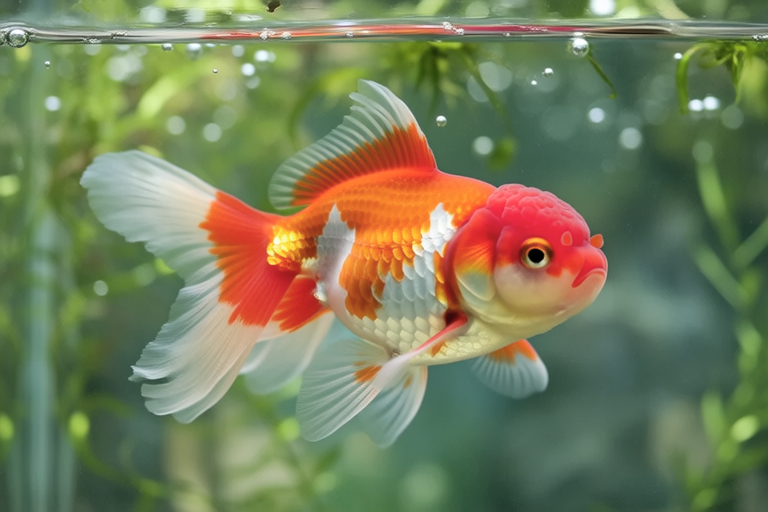
The Ultimate Guide to Keeping Your Goldfish Healthy and Happy!
Welcome to your comprehensive guide on how to ensure that your goldfish thrive in their aquatic environment. Whether you’re a first-time owner or have years of experience, this guide will provide you with all the necessary information to keep your goldfish healthy, happy, and vibrant.
Optimal Tank Setup
Tank Size
Goldfish require ample space to swim freely and grow properly. A common myth is that goldfish can live happily in small bowls. In reality, goldfish need at least 20 gallons of water per fish, and larger tanks are even better. This ensures they have enough room to exercise and reduces stress.
Filtration
Adequate filtration is crucial for maintaining water quality. Choose a filter that provides at least four times the volume of your tank per hour. Filters help remove waste, excess food, and harmful chemicals, keeping the water clean and safe for your goldfish.
Decorations
Adding plants, rocks, and caves can enrich your tank’s environment. However, avoid sharp or rough objects that could injure your goldfish. Floating plants also provide hiding spots and help oxygenate the water.
Ideal Water Conditions
Temperature
Maintain a steady temperature between 68°F and 74°F (20°C and 23°C). Use a heater if necessary to keep the water warm, especially during colder months. Sudden temperature changes can stress your goldfish, so monitor the water temperature regularly.
pH Levels
Goldfish prefer slightly alkaline water with a pH level between 7.0 and 8.0. Test kits are available to monitor these levels, and you can adjust them using pH buffers if needed.
Regular Maintenance
Perform weekly partial water changes, removing around 10-20% of the water and replacing it with fresh, dechlorinated water. Regular cleaning of the filter and substrate also helps maintain water quality.
Suitable Diet for Goldfish Growth and Health
Goldfish are omnivorous and require a balanced diet rich in protein, vitamins, and minerals. Feed them high-quality flakes, pellets, and occasional treats like bloodworms, brine shrimp, and blanched vegetables. Overfeeding can lead to poor water quality and health issues, so feed only what they can consume within two minutes.
Common Diseases, Symptoms, and Prevention Methods
Freshwater Ich
This is one of the most common goldfish diseases, characterized by white spots on the body and fins. To prevent it, quarantine new fish before introducing them to the main tank, and maintain good water quality. Treatment involves raising the water temperature and using ich-specific medications.
Fin Rot
Fin rot causes frayed and discolored fins. It can be caused by poor water quality or physical damage. Regular water changes and gentle handling can prevent fin rot. If it occurs, treat with antibiotics.
Tips for Interacting with Goldfish
Goldfish are intelligent creatures that enjoy interaction. Spend time watching them, and consider hand feeding as a bonding activity. Avoid sudden movements near the tank to reduce stress. Additionally, providing toys or floating objects can stimulate their natural behaviors.
Debunking Myths About Goldfish Care
Goldfish Only Live a Few Years
With proper care, goldfish can live up to 20 years. Their lifespan depends on factors like diet, water quality, and tank size.
Goldfish Don’t Need a Filter
Filters are essential for maintaining water quality and preventing ammonia buildup, which can harm goldfish.
Goldfish Can Survive Without Oxygen
While goldfish can tolerate low oxygen levels for short periods, they thrive in well-oxygenated environments. Ensure your tank has sufficient surface agitation or an air pump.
Conclusion
By following the guidelines outlined in this ultimate guide, you can create an optimal environment for your goldfish, ensuring they lead long, healthy, and happy lives. Remember, goldfish are sensitive creatures that require attention and care. With dedication and knowledge, you can become an excellent goldfish guardian.
