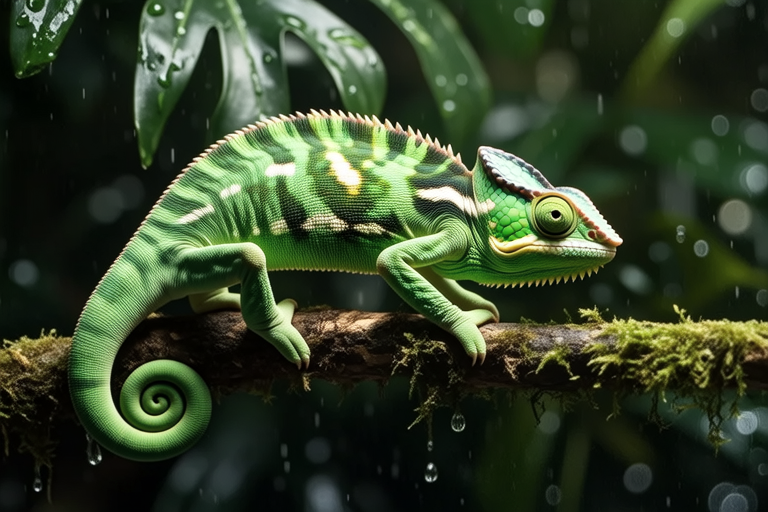
How to Create the Perfect Habitat for Your Chameleon: A Step-by-Step Guide
Welcome to your comprehensive guide on creating the perfect habitat for your chameleon. This step-by-step guide will help you set up a safe, enriching, and healthy environment for your pet. Whether you’re a novice or an experienced reptile owner, this guide will provide you with all the information you need to ensure your chameleon thrives.
Selecting an Appropriate Enclosure Size and Type
The first step in creating the perfect habitat for your chameleon is choosing the right enclosure. Chameleons are arboreal creatures, meaning they spend most of their time in trees. Therefore, the enclosure should be tall and spacious, allowing them to climb and move freely.
Size: The general rule is that the enclosure should be at least twice as wide and three times as tall as the chameleon’s length. For example, if your chameleon is 12 inches long, the enclosure should be at least 24 inches wide and 36 inches tall. Larger enclosures are always better, especially for adult chameleons.
Type: Glass aquariums are not recommended for chameleons because they can lead to overheating and lack of ventilation. Instead, choose a screen enclosure. Screen enclosures allow for proper air circulation and prevent the buildup of harmful toxins, which are common in glass tanks.
Essential Heating and Lighting Requirements
Chameleons require specific temperatures and lighting to thrive. Proper heating and lighting are crucial for their health and well-being.
Heating: Chameleons need a temperature gradient within their enclosure, with a warm spot (basking area) and cooler areas. Use a combination of ceramic heat emitters and under-tank heaters to achieve this. The basking spot should reach around 85-90°F (29-32°C), while the cooler areas should be between 75-80°F (24-27°C).
Lighting: Chameleons require UVB light for calcium absorption and bone health. Choose a high-quality UVB bulb designed for reptiles, and position it so that the chameleon can bask within 6-12 inches of the light source. Replace the bulb every six months, even if it still appears to be working, to ensure optimal output.
Suitable Substrate Options
The substrate, or floor covering, of the enclosure should be chosen carefully to avoid health risks. Many substrates pose dangers to chameleons, such as ingestion leading to impaction. Therefore, it’s best to avoid using any substrate at all and instead use a drainage layer of large gravel or small rocks, covered by a layer of sphagnum moss. This setup allows for proper drainage while providing a natural-looking base.
Necessary Climbing Structures and Hiding Spots
Chameleons need plenty of vertical space to climb and explore. Provide sturdy branches and vines of varying thicknesses for them to perch on. Make sure these structures are securely attached to the sides of the enclosure to prevent falls. Additionally, include several hiding spots made from artificial plants or caves to give your chameleon a sense of security.
Appropriate Plants for Enrichment and Security
Including live or artificial plants in the enclosure is essential for both enrichment and security. Live plants provide a more natural environment and can help maintain humidity levels. Some popular choices include pothos, ficus, and hibiscus. Artificial plants are a good alternative if you prefer not to deal with watering and potential pesticide exposure. Ensure that all plants are non-toxic and safe for chameleons.
Humidity Control Methods
Chameleons require a certain level of humidity in their environment, typically between 50% and 70%. To achieve this, mist the enclosure several times a day using a hand sprayer or automatic misting system. You can also place a shallow water dish filled with clean, fresh water inside the enclosure. Another method is to install a humidifier or fogger specifically designed for reptile enclosures.
Feeding Stations Setup
Setting up a proper feeding station is crucial for your chameleon’s nutrition. Place food items, such as insects, on elevated platforms or feeding clips to encourage natural foraging behavior. This setup mimics their natural hunting habits and helps prevent stress-related issues. Additionally, provide a shallow water dish for drinking and misting the enclosure regularly to ensure your chameleon stays hydrated.
Regular Maintenance Tips
Maintaining the enclosure is essential for your chameleon’s health. Clean the enclosure weekly, removing any uneaten food, feces, and dead insects. Replace the substrate as needed and clean all surfaces with a reptile-safe disinfectant. Check the heating and lighting equipment regularly to ensure they are functioning correctly and replace bulbs when necessary.
Safety Precautions to Ensure a Healthy Environment for Chameleons
To ensure your chameleon remains healthy, take the following precautions:
- Avoid handling your chameleon excessively, as it can cause stress.
- Ensure the enclosure is secure to prevent escapes.
- Monitor your chameleon’s behavior and health regularly, and consult a veterinarian if you notice any signs of illness.
- Keep the enclosure away from drafts and direct sunlight to maintain stable temperature and humidity levels.
By following these steps and precautions, you can create a safe, enriching, and healthy environment for your chameleon. Remember, a well-maintained habitat is key to your chameleon’s happiness and longevity. With proper care and attention, your chameleon will thrive in its new home.
