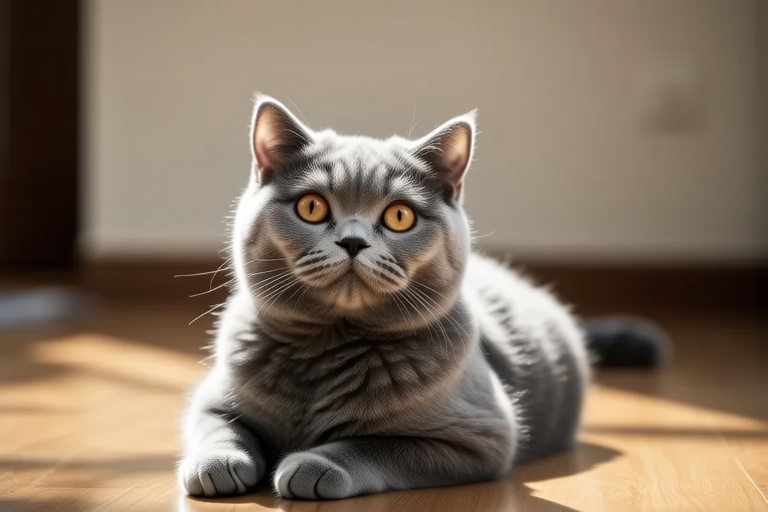
Silver Streaks and Round Faces: Discovering the Majestic British Shorthair
The British Shorthair, with its iconic silver streaks and round face, has captured the hearts of many cat lovers around the world. This article aims to provide a comprehensive overview of the breed, including its history, physical attributes, temperament, grooming needs, health considerations, and dispelling some common myths. By the end of this read, you’ll have a deeper appreciation for these majestic felines and perhaps even consider adding one to your family.
Origin of the British Shorthair
The British Shorthair is one of the oldest cat breeds, with origins tracing back to the time when Romans brought domestic cats to Britain over two thousand years ago. These cats were initially bred for their hunting abilities, helping to control rodent populations. Over time, they evolved into the beloved companion animals we know today. The breed was officially recognized by the Cat Fanciers’ Association (CFA) in 1980, solidifying its place in the world of pedigreed cats.
Physical Characteristics
Silver Streaks and Round Faces
The most striking feature of the British Shorthair is undoubtedly its plush, dense coat, which often showcases beautiful silver streaks. These streaks can range from subtle highlights to bold, eye-catching patterns that give each cat a unique appearance. The breed’s round face, with its chubby cheeks and expressive eyes, adds to its distinctive look. Their large, round heads and compact bodies make them instantly recognizable. Many owners describe their British Shorthairs as looking like walking teddy bears, a trait that makes them irresistible companions.
Other Physical Attributes
Besides their stunning coats and faces, British Shorthairs possess several other notable physical traits. They have short, strong legs and a broad chest, giving them a sturdy build. Their paws are large and rounded, perfect for their gentle, deliberate movements. Their eyes, typically wide and round, come in various colors, including copper, gold, and green, further enhancing their striking appearance.
Temperament
British Shorthairs are known for their calm and laid-back personalities, making them excellent companions for families and individuals alike. They are generally quiet, rarely vocalizing unless they need attention or food. Their affectionate nature means they enjoy spending time with their owners but are equally comfortable lounging independently. Many owners report that their British Shorthairs are particularly fond of sitting in laps or curling up beside them on the couch, creating a sense of companionship and comfort.
One owner, Sarah, shared her experience: “My British Shorthair, Charlie, is always there when I need him. He’s like my best friend, quietly observing everything but always ready to offer his company. He’s not overly demanding, just content to be near me.”
Grooming Needs
Despite their luxurious coats, British Shorthairs require relatively low maintenance in terms of grooming. Their short hair does not tangle easily, and regular brushing once or twice a week will help keep their fur healthy and free of mats. During shedding seasons, especially in spring and fall, more frequent brushing may be necessary to manage loose hair. Bathing is generally not required unless absolutely necessary, as their natural oils help maintain their coat’s condition.
It’s important to note that while their grooming needs are minimal, it’s still crucial to check their ears regularly for any signs of infection or wax buildup. Cleaning their ears gently with a cotton ball and a veterinarian-approved ear cleaner can prevent potential issues.
Health Considerations
Like all breeds, British Shorthairs are prone to certain health conditions. One of the most common issues is hip dysplasia, a condition where the hip joint doesn’t fit properly into the socket. Regular veterinary check-ups and maintaining a healthy weight can help manage this condition. Another concern is hypertrophic cardiomyopathy, a heart disease that can affect the breed. Early detection through routine vet visits and possibly genetic testing can improve outcomes.
Additionally, British Shorthairs may be susceptible to polycystic kidney disease (PKD), a condition where cysts form in the kidneys, potentially leading to kidney failure. Responsible breeding practices and genetic screening can reduce the risk of passing this condition to offspring.
Popular Myths and Misconceptions
Myth 1: British Shorthairs Are Lazy
One common misconception about British Shorthairs is that they are lazy or uninterested in play. While they are indeed more laid-back compared to some other breeds, they still enjoy interactive toys and games. Owners who engage their cats with puzzle feeders, feather wands, or laser pointers often find their British Shorthairs to be quite playful and engaged. It’s essential to understand that their energy levels may differ from those of more active breeds, but they still appreciate mental stimulation.
Myth 2: They Require Little Attention
Another myth is that British Shorthairs are independent and don’t need much attention from their owners. While they are generally self-sufficient, they still value companionship and interaction. They thrive on consistent routines and enjoy spending quality time with their humans. Neglecting their emotional needs can lead to behavioral issues or stress, so it’s important to provide them with love and attention as part of a balanced routine.
Myth 3: All British Shorthairs Have Silver Coats
While silver is one of the most popular and recognizable coat colors for British Shorthairs, they actually come in a wide variety of colors and patterns. From blue and black to tortoiseshell and tabby, there is a diverse range of options. Each color variation brings its own unique charm and beauty, making the breed even more appealing to potential owners.
Real-Life Anecdotes
John, a first-time cat owner, shared his journey with his British Shorthair, Max: “I was initially drawn to Max’s round face and fluffy coat, but what truly won me over was his personality. Despite being a bit shy at first, Max quickly became the heart of our home. His calm demeanor and affectionate nature make him a joy to have around. He’s taught me the importance of patience and understanding, and I feel incredibly lucky to have him.”
Lisa, a seasoned pet parent, added, “Over the years, I’ve had several British Shorthairs, and each one has been a unique individual. What I love most about them is their ability to adapt to different environments and situations. Whether it’s a busy household or a quiet apartment, they find a way to settle in and bring peace to the space.”
Captivating Care Requirements
The British Shorthair’s unique charm lies in its combination of beauty and temperament. Their low-maintenance grooming needs and calm personalities make them ideal pets for both first-time and experienced owners. However, it’s essential to recognize and address their specific health concerns and emotional needs to ensure a long and happy life together.
Adopting a British Shorthair is a commitment to providing a loving and supportive environment where they can thrive. With proper care, attention, and a little patience, these majestic felines will reward you with endless companionship and joy.
