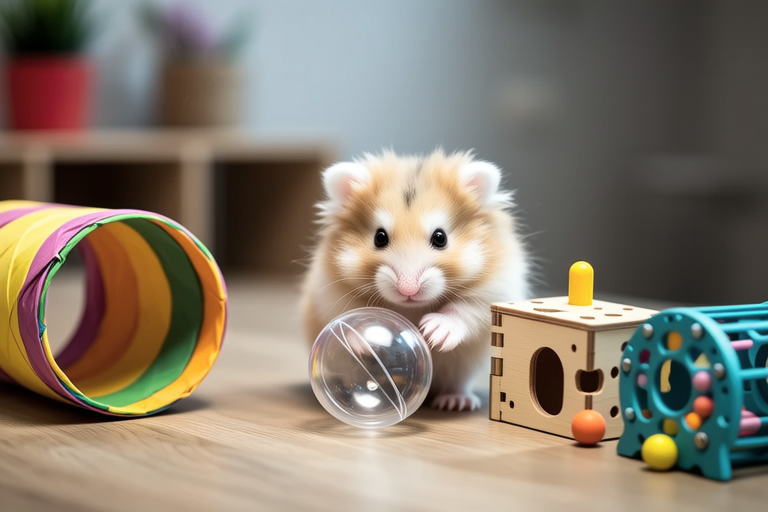
How to Choose the Right Hamster Toy for Your Little Friend
Welcome to the world of hamster ownership! As a hamster owner, you want to ensure your little friend is happy, healthy, and entertained. One of the best ways to achieve this is by providing them with appropriate toys. But with so many options available, how do you know which ones are right for your furry friend? This guide will walk you through understanding hamster behaviors and preferences, safety considerations, different types of toys, and how to introduce and monitor your hamster’s enjoyment of their new playthings.
Understanding Hamster Behaviors and Preferences
Hamsters are small, nocturnal animals that love to explore, chew, and run. They are also territorial creatures, so it’s important to understand their natural instincts when choosing toys. Hamsters have a tendency to hoard food, so they might bury their favorite treats under their bedding. They also enjoy digging and burrowing, which can be encouraged through the right toys.
When it comes to playtime, hamsters are generally solitary creatures, meaning they prefer to play alone rather than with other hamsters. This is why it’s crucial to provide them with individual toys that stimulate their senses and keep them engaged. By understanding these behaviors, you can select toys that not only entertain but also fulfill your hamster’s natural needs.
Safety Considerations When Selecting Toys
Before purchasing any toy, always check for potential hazards. Look for toys made from non-toxic materials that won’t cause harm if ingested. Avoid toys with small parts that could pose choking risks or sharp edges that might injure your hamster. Additionally, consider the size of the toy. It should be large enough for your hamster to interact with comfortably without being too big to fit into their enclosure.
Another important factor is ensuring the toy is easy to clean. Hamsters can get messy during playtime, so it’s essential to choose toys that can be sanitized regularly. This helps maintain a hygienic environment for your pet and prevents the spread of bacteria or diseases.
Variety of Toy Types Suitable for Hamsters
Chew Toys
Chew toys are essential for hamsters because they help wear down their continuously growing teeth. Providing safe, appropriate chew toys can prevent dental issues and keep your hamster’s teeth healthy. Look for toys made from wood, cardboard, or untreated fabrics. These materials are not only safe for chewing but also promote natural behaviors like gnawing and shredding.
Some popular chew toy options include wooden chews, cardboard tubes, and fabric toys. These items can be easily found at pet stores and online retailers. Just make sure to avoid plastic or painted toys, as these can be harmful if ingested.
Exercise Wheels
Exercise wheels are one of the most common toys for hamsters, and for good reason. Running is a natural behavior for hamsters, and a well-designed wheel allows them to burn off energy and stay physically active. However, not all exercise wheels are created equal. When choosing a wheel, look for one with a solid surface to prevent your hamster’s feet from getting caught between the bars.
It’s also important to consider the size of the wheel. A larger wheel provides more space for running, which can be beneficial for larger breeds like Syrian hamsters. Smaller wheels may be sufficient for dwarf hamsters. Always supervise your hamster during playtime and check the wheel regularly for wear and tear.
Tunnels and Hideouts
Tunnels and hideouts are great for hamsters who enjoy exploring and creating cozy spaces within their enclosure. These toys encourage natural behaviors like digging and burrowing. Tunnels come in various shapes and sizes, allowing your hamster to navigate through different pathways. Hideouts, on the other hand, provide a safe place for your hamster to retreat and feel secure.
When selecting tunnels and hideouts, look for products made from durable materials that can withstand frequent use. Some popular options include PVC pipes, cardboard boxes, and commercially available tunnel systems. Be sure to clean and sanitize these toys regularly to maintain hygiene.
How to Introduce New Toys
Introducing new toys to your hamster can be an exciting process, but it’s important to do so gradually to avoid overwhelming them. Start by placing the toy in a corner of their enclosure and observe their reaction over the next few days. If your hamster shows interest and begins interacting with the toy, you can gradually increase its presence within the enclosure.
If your hamster seems hesitant or avoids the toy, give them some time to adjust. You can try moving the toy to a different location or introducing it during a quiet period when your hamster is more likely to engage. Patience is key when introducing new toys, and it’s important to respect your hamster’s comfort level.
Signs That Your Hamster Enjoys or Dislikes Their Toys
Observing your hamster’s behavior can provide valuable insights into whether they enjoy or dislike their toys. Signs that your hamster enjoys a toy include increased activity levels, spending time playing with the toy, and showing curiosity about new objects. On the other hand, if your hamster avoids the toy, hides away, or displays signs of stress, it may indicate that the toy is not suitable for them.
Additionally, pay attention to any changes in your hamster’s behavior after introducing a new toy. If you notice any unusual symptoms, such as lethargy, loss of appetite, or excessive grooming, it’s important to remove the toy and consult a veterinarian. Ensuring your hamster’s well-being should always be the top priority.
Conclusion
Choosing the right hamster toy is an important step in ensuring your little friend stays happy and healthy. By understanding hamster behaviors and preferences, considering safety factors, and offering a variety of toys, you can create an enriching environment for your pet. Remember to introduce new toys gradually and monitor your hamster’s response to ensure they enjoy their playtime. With the right selection of toys, your hamster will have plenty of opportunities to explore, chew, and run, making their life more enjoyable and fulfilling.
