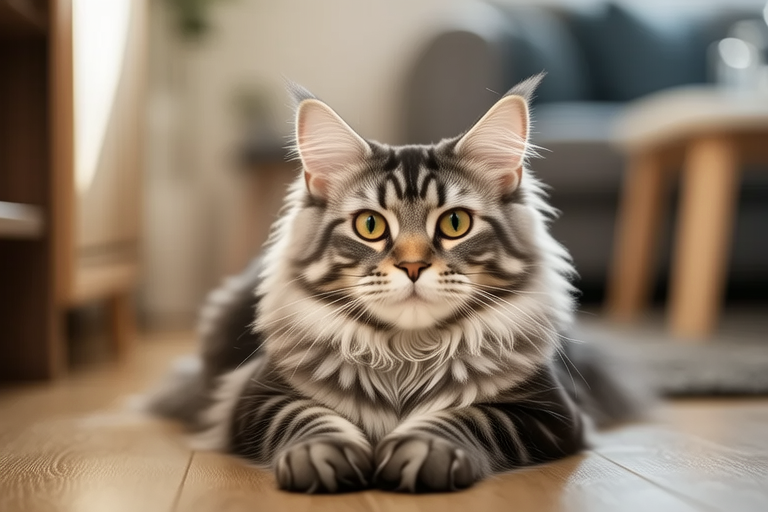
Devon Rex Cats: Nature’s Playful, Velvety Feline Friends
The Devon Rex is a breed of cat known for its unique physical traits, social nature, and playful demeanor. This article delves into the history, physical characteristics, behavior, health, grooming, and suitability of Devon Rex cats as pets.
Historical Background and Development
The Devon Rex breed originated in England during the mid-20th century. In 1960, Beryl Cox, a British breeder, discovered a curly-coated kitten named Kirlee in a garden shed near Buckfastleigh, Devon. Kirlee’s distinctive appearance intrigued Cox, who decided to breed him with a straight-haired female cat. The resulting kittens exhibited Kirlee’s curly coat, establishing the foundation for the Devon Rex breed.
The breed was recognized by the Governing Council of the Cat Fancy (GCCF) in 1970 and later by other major cat registries worldwide. Despite their similar names, Devon Rex cats should not be confused with the Cornish Rex, another curly-coated breed. Unlike the Cornish Rex, which has uniform curls throughout its coat, Devon Rex cats have shorter, wavy hair that is denser on the body than on the limbs.
Unique Physical Traits
Devon Rex cats possess several distinct physical features that set them apart from other breeds:
- Curly Coat: Their most notable trait is their short, wavy fur, which gives them a velvety texture. The coat is soft to the touch and lacks the typical undercoat found in many other cat breeds.
- Large Ears: Devon Rex cats have large ears that are wide-set and slightly forward-facing. These ears contribute to their alert and attentive appearance.
- Distinctive Face: They have a heart-shaped face with prominent whisker pads and large, expressive eyes. Their facial structure often gives them a mischievous or even human-like expression.
- Slim Build: Devon Rex cats are medium-sized with a slender build, long legs, and a flexible spine. Their agility allows them to perform acrobatic feats, making them entertaining to watch.
Hypoallergenic Qualities
Devon Rex cats are often considered hypoallergenic due to their low levels of Fel d 1 protein, the primary allergen responsible for cat allergies in humans. However, it’s important to note that no cat can be entirely allergen-free. Individuals with cat allergies may still experience reactions when spending extended periods around Devon Rex cats. For those with mild allergies, these cats might offer some relief compared to other breeds.
Social and Playful Behaviors
Devon Rex cats are renowned for their friendly and social nature. They enjoy interacting with their owners and thrive on attention and affection. Their playful personalities make them excellent companions for families and individuals looking for an interactive pet.
These cats are highly intelligent and curious, often engaging in problem-solving activities. They are known to play fetch, a game typically associated with dogs. Their agility and athleticism allow them to leap and climb, adding to their entertainment value. Devon Rex cats also tend to follow their owners around, seeking out opportunities for interaction.
Common Health Issues
While generally healthy, Devon Rex cats are prone to certain genetic conditions:
- Otosclerosis: This condition affects the inner ear and can lead to hearing loss. Regular veterinary check-ups are recommended to monitor and manage this issue.
- Patellar Luxation: Also known as slipped kneecaps, this condition can cause lameness and discomfort. Early diagnosis and treatment can help alleviate symptoms.
- Spinal Defects: Some Devon Rex cats may inherit spinal abnormalities that can affect their mobility. Genetic testing and careful breeding practices can help reduce the incidence of these defects.
Grooming Needs
Despite their short, wavy coats, Devon Rex cats require regular grooming to maintain their appearance and prevent matting. Brushing their fur once or twice a week with a soft brush or comb can help remove loose hairs and distribute natural oils. Bathing is generally unnecessary unless the cat gets particularly dirty.
Due to their sensitive skin, it’s essential to use gentle, hypoallergenic shampoos specifically formulated for cats. Devon Rex cats also benefit from nail trimming every few weeks and regular dental care to ensure good oral hygiene.
Tips for Potential Owners
Considering a Devon Rex cat as a pet? Here are some tips to help you prepare:
- Research Breeders: Choose a reputable breeder who prioritizes the health and well-being of their cats. Ask about the breeder’s breeding practices, health screenings, and guarantees.
- Prepare Your Home: Ensure your home is safe and cat-friendly. Remove any toxic plants, secure loose wires, and provide plenty of toys and climbing structures to keep your cat entertained.
- Establish Routines: Establish feeding, play, and grooming routines early on to create a predictable environment for your cat. Consistency helps reduce stress and promotes a strong bond between you and your pet.
- Consider Allergies: If you or anyone in your household suffers from cat allergies, consult an allergist before bringing a Devon Rex cat home. While they may offer some relief, there’s no guarantee that all allergy sufferers will react positively.
Why Devon Rex Cats Make Great Companions
Devon Rex cats are ideal companions for families and individuals seeking an interactive pet. Their friendly, social nature makes them excellent lap cats, and their playful personalities provide endless entertainment. They are adaptable to various living environments, including apartments, homes, and multi-pet households.
Devon Rex cats’ intelligence and trainability make them easy to teach basic commands and tricks. Their curiosity and problem-solving abilities can be harnessed through puzzle toys and interactive games. These cats are also known for their ability to form strong bonds with their owners, providing emotional support and companionship.
Insights into Intelligence, Training Capabilities, and Adaptability
Devon Rex cats are highly intelligent and trainable. They can learn basic commands, such as sit, stay, and come, with consistent positive reinforcement training. Their problem-solving skills make them adept at figuring out how to open doors, cabinets, and drawers, so it’s essential to secure potential hazards.
These cats are adaptable to different living environments, whether in a bustling city apartment or a quiet suburban home. They enjoy the company of other pets, including dogs, and can thrive in multi-cat households. Their sociable nature means they are often content with the presence of other animals, reducing the likelihood of loneliness or behavioral issues.
