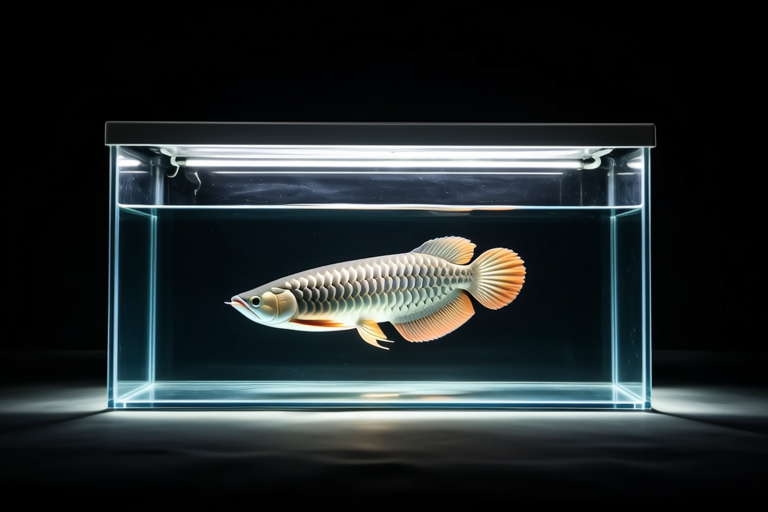
Arowana Enthusiast’s Dream: Setup Tips and Tank Requirements
Arowanas are some of the most majestic and sought-after freshwater fish in the aquarium hobby. Known for their striking appearance, impressive size, and unique behaviors, these fish have captured the hearts of many aquarium enthusiasts around the world. The Scleropages formosus, or Asian arowana, and the Osteoglossum bicirrhosum, or silver arowana, are particularly popular species. Their shimmering scales and powerful swimming abilities make them a standout addition to any aquarium.
The Popularity of Arowanas
Arowanas are highly prized for their beauty and rarity. They are often referred to as “Dragon Fish” due to their dragon-like appearance and the belief that they bring good luck and prosperity in certain cultures. This has made them a symbol of status and wealth, further increasing their appeal. However, owning an arowana comes with significant responsibilities and requires a well-planned aquarium setup to ensure their health and longevity.
Essential Tank Requirements
Optimal Size
Arowanas can grow up to 3 feet in length, so they require a large tank. For a single adult arowana, a minimum tank size of 180 gallons is recommended. If you plan to keep multiple arowanas, you will need a larger tank. It’s crucial to provide ample space for swimming and growth. Smaller tanks can lead to stress and health issues for these active fish.
Filtration Systems
Given their size and activity level, arowanas produce a considerable amount of waste. An efficient filtration system is essential to maintain water quality. High-quality external canister filters or sump systems are recommended. These systems should be capable of handling the tank volume efficiently and providing mechanical, biological, and chemical filtration. Regular maintenance of the filter is necessary to ensure it operates at peak performance.
Water Parameters
Arowanas thrive in specific water conditions:
- Temperature: Maintain a stable temperature between 78°F and 84°F (25°C and 29°C).
- pH Levels: Keep the pH between 6.5 and 7.5. Arowanas prefer slightly acidic to neutral water.
- Hardness: Aim for a water hardness range of 5 to 15 dGH.
- Ammonia and Nitrite: Both should be undetectable. Nitrate levels should be kept low, ideally below 20 ppm.
Regular water testing and partial water changes are necessary to maintain these parameters.
Suitable Substrates
Choose a substrate that is easy to clean and does not harm the arowana. Sand or small, smooth gravel are ideal choices. Avoid sharp or rough substrates that could damage the fish’s delicate underbelly. Additionally, the substrate should not interfere with the water chemistry.
Setup Tips
Proper Tank Decoration
Decorating the tank with natural elements like driftwood, rocks, and aquatic plants can create a more natural environment for your arowana. Ensure that decorations are securely placed to prevent accidents. Plants like Amazon sword and Java fern are suitable choices as they are hardy and can withstand the strong swimming currents created by arowanas.
Lighting Considerations
Provide adequate lighting to stimulate plant growth and enhance the aquarium’s aesthetic appeal. However, avoid overly bright lights that may stress the fish. Use LED fixtures with adjustable settings to balance light intensity and duration. A 10 to 12-hour photoperiod is generally sufficient.
Maintaining Water Quality
Consistent monitoring of water parameters is vital. Invest in reliable test kits for ammonia, nitrite, nitrate, pH, and temperature. Perform weekly partial water changes, typically 10 to 20% of the total volume, to remove accumulated toxins and refresh the water. Proper aeration and circulation also contribute to maintaining excellent water quality.
Selecting Compatible Tank Mates
Due to their size and territorial nature, finding suitable tank mates for arowanas can be challenging. Some compatible species include large catfish, pacu, and other robust fish that can hold their own against the arowana’s dominance. However, it’s crucial to research each potential tank mate thoroughly to ensure compatibility. Avoid smaller, less aggressive fish as they may become prey.
Dietary Needs
Arowanas are carnivorous and require a varied diet rich in protein. Offer them high-quality pellets, frozen or live foods such as shrimp, worms, and feeder fish. Feed them once or twice daily, ensuring they consume all food within a few minutes. Overfeeding can lead to poor water quality and obesity, so monitor their feeding habits closely.
Maintenance Tips and Common Challenges
Regular maintenance is key to keeping your arowana healthy and happy. Clean the tank glass, vacuum the substrate, and check equipment for wear and tear. Pay attention to signs of stress or illness, such as loss of appetite, lethargy, or unusual behavior. Prompt action can prevent minor issues from becoming major problems.
Common challenges include maintaining water quality, preventing disease, and managing aggression. Establishing a routine for cleaning and monitoring water parameters helps mitigate these issues. Additionally, providing plenty of hiding spots and open swimming areas can reduce stress and promote a peaceful environment.
Conclusion
Keeping arowanas can be a rewarding experience for dedicated aquarium enthusiasts. With the right setup, tank mates, and care, these magnificent fish can thrive in your home aquarium. While the initial investment and ongoing care required may seem daunting, the satisfaction of watching these majestic creatures swim gracefully in their habitat makes every effort worthwhile. Embrace the journey of creating an arowana enthusiast’s dream tank and enjoy the beauty and wonder of these captivating fish.
