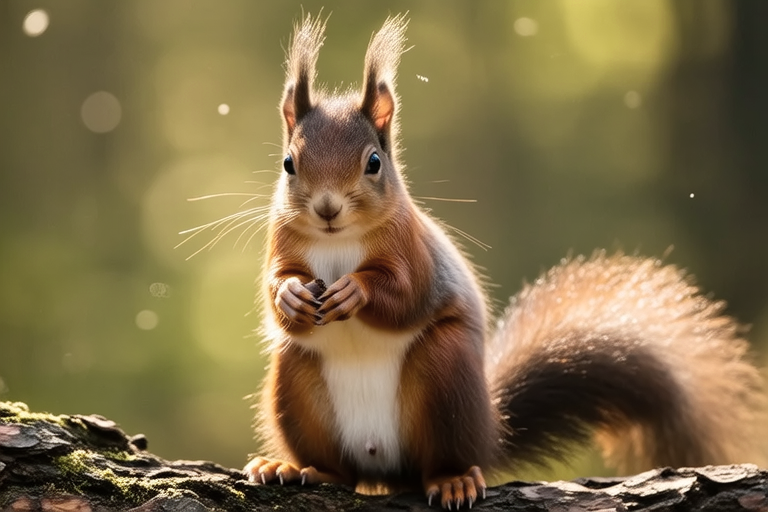
Adorable, Adaptable, and Agile: Discovering the Charms of Squirrels
Squirrels, those bushy-tailed creatures that scamper across parks and backyards, have long been a source of fascination for humans. These small mammals are not only charming but also incredibly adaptable and agile. From their playful antics to their clever problem-solving skills, squirrels offer a delightful glimpse into the natural world. In this article, we will explore the many facets of these beloved animals, delving into their endearing behaviors, adaptability, and agility. We’ll also uncover some interesting facts about their diet, habitat, and communication methods, while discussing the challenges they face in urban settings and the conservation efforts underway to protect them.
The Endearing Behaviors of Squirrels
One of the first things people notice about squirrels is their playful demeanor. They seem to be constantly on the move, darting from tree to tree with a sense of urgency that is both amusing and captivating. Their curiosity often leads them to investigate anything new or unusual in their environment, whether it’s a fallen leaf or a curious human observer. This inquisitive nature has earned them a reputation as the “clowns of the forest,” always ready to provide a moment of entertainment.
Another charming behavior of squirrels is their ability to communicate. While they may not speak our language, they have developed a variety of vocalizations and body movements to convey messages to one another. Squeaks, chirps, and chatters can signal danger, mating readiness, or territorial disputes. Tail flicks and postures are used to express aggression, fear, or submission. Observing these interactions can be both educational and entertaining, offering a window into the social dynamics of squirrel communities.
Adaptability to Various Environments
Squirrels are remarkable for their adaptability, thriving in a wide range of habitats. While they are most commonly associated with forests, where they find ample trees for nesting and foraging, squirrels have successfully adapted to urban environments as well. In cities, they have learned to navigate through parks, along streets, and even within buildings, making use of any available resources.
In rural areas, squirrels often live in hollow trees or construct nests called dreys high up in branches. These nests are typically made from twigs, leaves, and moss, providing shelter from predators and harsh weather conditions. Urban squirrels, on the other hand, have become adept at living in man-made structures such as attics, chimneys, and under porches. They have also learned to scavenge for food in parks, gardens, and even garbage cans, adapting their diets to include whatever is available.
This adaptability extends to their ability to thrive in different climates as well. Some species of squirrels, like the gray squirrel, are found throughout North America, from the northernmost parts of Canada to the southern United States. Other species, such as the ground squirrel, prefer warmer climates and are more commonly found in deserts and grasslands. Despite these differences, all squirrels share a remarkable ability to adjust to their surroundings and make the best of what they have.
Agility and Problem-Solving Skills
Squirrels are known for their incredible agility, leaping from branch to branch with ease and precision. Their powerful hind legs allow them to jump distances far greater than their body length, enabling them to traverse even the most challenging landscapes. This agility is not just for show; it plays a crucial role in their survival, helping them escape predators and reach food sources that might otherwise be out of reach.
But agility is just one part of what makes squirrels so fascinating. These animals are also highly intelligent and possess impressive problem-solving skills. For example, many species of squirrels are known to cache food, storing nuts and seeds in hidden locations for later consumption. This behavior requires not only memory but also the ability to deceive potential thieves. Some squirrels will pretend to bury food in one spot while actually hiding it elsewhere, a strategy known as “deceptive caching.” This level of strategic thinking demonstrates the complexity of squirrel intelligence and highlights their ability to adapt to changing circumstances.
Diet and Feeding Habits
Squirrels are primarily herbivores, with a diet that consists mainly of nuts, seeds, fruits, and bark. However, their feeding habits can vary depending on the availability of resources and the time of year. During the fall, when nuts and seeds are abundant, squirrels will spend much of their time gathering and storing food for the winter months. This behavior, known as larder hoarding, ensures that they have enough sustenance to survive during periods of scarcity.
In addition to their plant-based diet, some squirrels have been observed consuming insects, bird eggs, and even small vertebrates. This opportunistic feeding behavior allows them to maximize their energy intake and adapt to changes in their environment. For example, during times of drought or food scarcity, squirrels may rely more heavily on protein-rich foods to meet their nutritional needs.
Urban squirrels have also adapted their diets to include human-provided foods, such as birdseed, pet food, and discarded snacks. While this can be beneficial for the squirrels, it can also lead to health problems if they consume too many processed foods. Therefore, it is important for people who feed squirrels to offer them a balanced diet that includes fresh fruits, vegetables, and nuts.
Habitat and Communication
As mentioned earlier, squirrels are highly adaptable and can be found in a wide range of habitats. However, despite their ability to thrive in various environments, they still require specific conditions to survive and reproduce. For example, many species of squirrels prefer areas with plenty of trees, which provide both shelter and food. In urban settings, squirrels have learned to make use of parks, gardens, and even city buildings to create their homes and find food.
In terms of communication, squirrels use a combination of vocalizations and body language to interact with one another. Their vocal repertoire includes a variety of sounds, from soft chirps to loud barks, each serving a different purpose. For example, a high-pitched chirp may indicate excitement or playfulness, while a low growl could signal aggression. Body language, such as tail flicks and postures, is also used to convey messages. A raised tail, for instance, can signal alarm or dominance, while a lowered tail may indicate submission.
Challenges in Urban Settings
While squirrels have successfully adapted to urban environments, they still face numerous challenges in these settings. One of the biggest threats to urban squirrels is traffic. Many squirrels are killed each year by cars, especially during peak travel times. To mitigate this risk, some cities have implemented measures such as installing wildlife crossings and reducing speed limits in areas frequented by squirrels.
Another challenge faced by urban squirrels is competition for resources. In cities, squirrels must compete with other animals, such as birds and raccoons, for limited food and shelter. This competition can lead to increased stress levels and reduced reproductive success. Additionally, urban environments often lack the natural predators that keep squirrel populations in check, leading to overpopulation in some areas.
Conservation Efforts
Despite their adaptability, squirrels are not immune to the effects of environmental degradation and habitat loss. As human development continues to encroach on natural habitats, it is becoming increasingly important to protect squirrel populations and their ecosystems. Conservation efforts focus on preserving and restoring habitats, reducing pollution, and promoting sustainable land use practices.
Many organizations and individuals are working to protect squirrels and their habitats through education, advocacy, and direct action. For example, some groups organize tree planting initiatives to provide more nesting sites for squirrels, while others work to reduce pesticide use in urban areas to ensure a healthy food supply. By raising awareness about the importance of squirrels and their role in the ecosystem, these efforts aim to foster a greater appreciation for these charismatic animals and inspire action to protect them.
In conclusion, squirrels are truly remarkable creatures, combining charm, adaptability, and agility in ways that captivate and delight us. Whether they are leaping from branch to branch, communicating with their neighbors, or solving complex problems, squirrels offer a fascinating glimpse into the natural world. By understanding and appreciating the challenges they face in urban settings and supporting conservation efforts, we can help ensure that these beloved animals continue to thrive for generations to come.
