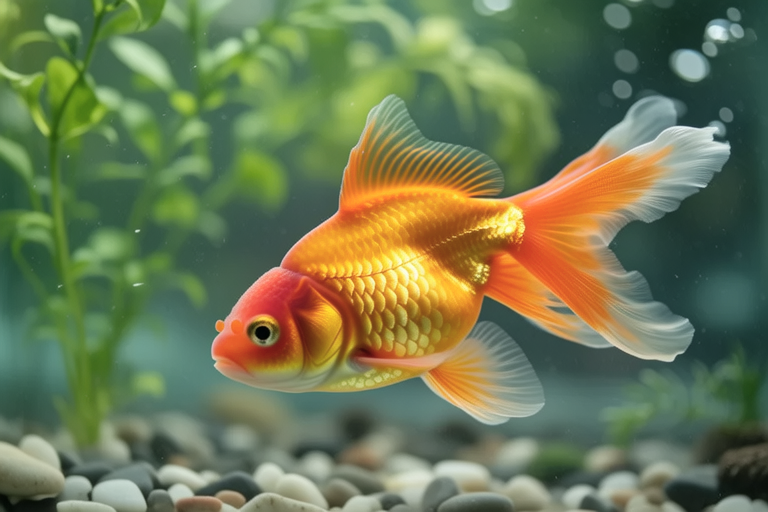
Uncover the Mysteries of Your Goldfish’s Behavior
Welcome to a fascinating journey into the world of your goldfish! These vibrant aquatic companions are more than just decorative additions to your home aquarium; they are complex creatures with unique behaviors that can tell you a lot about their health and happiness. Understanding your goldfish’s behavior is key to providing them with the best care possible.
Understanding Basic Needs
Before diving into the nuances of goldfish behavior, it’s essential to understand their basic needs. Goldfish require clean water, appropriate tank size, and a balanced diet to thrive. They are coldwater fish, meaning they don’t need heaters like tropical species, but they do require regular water changes to maintain optimal water quality. A tank that is too small can lead to stress and health issues, so ensure you have a spacious home for your goldfish.
Interpreting Common Behaviors: Swimming Patterns
Your goldfish’s swimming patterns can provide valuable insights into its mood and health. Typically, goldfish swim gracefully around the tank, exploring and interacting with their environment. However, changes in swimming patterns can indicate underlying issues:
- Erratic Swimming: If your goldfish appears disoriented or swims in circles, it might be suffering from swim bladder disorder, a condition affecting buoyancy control. This could be due to overfeeding or constipation.
- Sinking or Floating: If your goldfish constantly floats at the top or sinks to the bottom, this could also be a sign of swim bladder issues or even organ failure.
- Sluggishness: A lack of energy and slow movement can suggest general fatigue or illness. Check for signs of disease, such as spots or clamped fins.
Eating Habits
Observing your goldfish’s eating habits is crucial for their well-being. Healthy goldfish are usually enthusiastic eaters, consuming food quickly. Changes in appetite can signal problems:
- Poor Appetite: A decrease in food intake may indicate stress, poor water quality, or illness.
- Overeating: On the other hand, excessive eating can lead to obesity and related health issues. Monitor portion sizes carefully.
- Food Selection: Goldfish often show preferences for certain types of food. Ensure a varied diet to cover all nutritional bases.
Responses to Stimuli
Goldfish respond to various stimuli in their environment, including light, sound, and other fish. Understanding these responses can help you create a stimulating habitat:
- Light: Goldfish are photoperiodic, meaning their activity levels change with the amount of light. Provide a consistent light cycle to mimic natural conditions.
- Sound: While goldfish can hear, they don’t react strongly to sounds. However, loud noises can startle them, causing stress.
- Social Interaction: Goldfish are social creatures and enjoy the company of their own kind. Introduce new fish carefully to avoid stress and aggression.
The Impact of Environment on Behavior
The environment plays a significant role in shaping your goldfish’s behavior. Factors such as water temperature, pH levels, and tank decorations influence their daily activities:
- Water Quality: Poor water quality can lead to stress, lethargy, and increased susceptibility to diseases. Regular testing and maintenance are vital.
- Tank Size and Decorations: A spacious tank with plenty of hiding places and plants can encourage natural behaviors and reduce stress.
- Water Flow: Some goldfish prefer gentle currents, while others may find strong water flow stressful. Adjust filtration systems accordingly.
Potential Health Issues Indicated Through Behavior Changes
Sudden changes in behavior can be early indicators of health issues. Being vigilant can help catch problems before they become serious:
- Floating at the Surface: This can indicate swim bladder disorder or gas buildup in the intestines.
- Frequent Scraping Against Objects: This behavior might suggest external parasites or gill flukes.
- Clamped Fins: Fish with clamped fins often suffer from stress or bacterial infections.
Consult with a veterinarian specializing in fish if you notice any concerning behaviors.
Tips for Enhancing Interaction and Well-Being
To enhance the interaction and overall well-being of your goldfish, consider the following tips:
- Interactive Toys: Add floating toys or tunnels to stimulate exploration and play.
- Feeding Times: Establish regular feeding times to create a routine and strengthen the bond between you and your fish.
- Regular Observations: Spend time observing your goldfish daily to get to know their normal behaviors and quickly identify any deviations.
Conclusion
By understanding the mysteries behind your goldfish’s behavior, you can provide a healthier and happier life for your aquatic companion. From recognizing basic needs to interpreting subtle behavioral cues, each aspect contributes to the overall well-being of your goldfish. With the right knowledge and care, you can ensure that your goldfish not only survive but thrive in their environment. Happy fishkeeping!
