Silent, Stunning, and Surprisingly Sweet: The Truth About Chilean Rose Tarantulas
First Impressions: A Living Work of Art
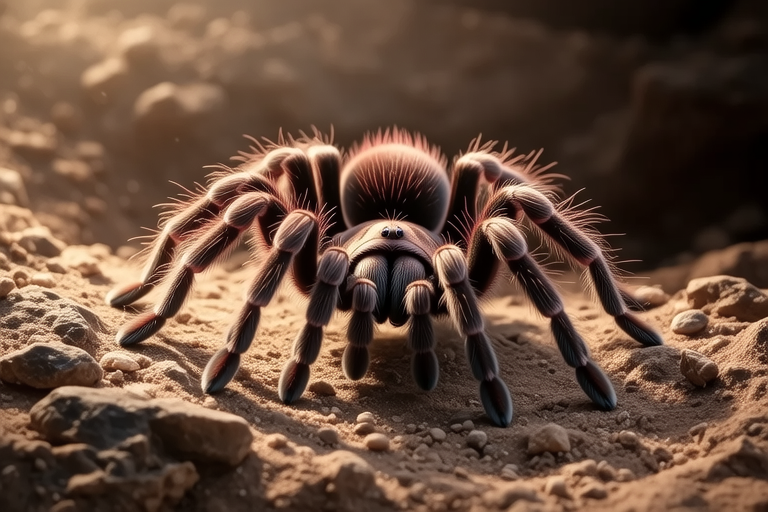
The Chilean Rose Tarantula (Grammostola rosea) is often called the “rosy” or “rose-colored” tarantula due to its distinctive coloring. While not always perfectly pink, its mature individuals display soft shades of rose, beige, and light brown across their bodies—especially on the abdomen and legs. This subtle hue gives the spider a warm, almost ethereal glow under proper lighting, making it a favorite among both amateur and expert keepers.
But beauty is only part of the story. What truly sets this species apart is its temperament. Unlike some tarantulas known for aggression or startling defensive behaviors, the Chilean Rose is famously calm. It moves with deliberate grace, rarely darting or displaying alarm unless provoked. Its quiet presence invites observation, creating a sense of peaceful coexistence between keeper and pet—a rare bond in the world of exotic pets.
Creating a Home Fit for a Gentle Giant
Proper habitat setup is essential for any tarantula, and the Chilean Rose is no exception. These spiders thrive in environments that mimic their native grasslands of central Chile, where conditions are dry, temperate, and relatively stable.
- Enclosure Size: A 10-gallon (approximately 40-liter) terrarium is ideal for an adult. While juveniles can start smaller, they grow quickly and need space to move comfortably.
- Substrate: Use a mixture of coconut fiber and peat moss, about 3–4 inches deep. This provides good moisture retention without becoming soggy and allows the spider to burrow naturally.
- Humidity & Ventilation: Maintain humidity levels between 60% and 70%. Avoid over-misting; instead, use a hygrometer to monitor levels. Good ventilation is crucial—ensure your enclosure has adequate airflow to prevent mold and stagnant air.
- Temperature: Keep temperatures between 72°F and 80°F (22°C–27°C). A simple heat mat placed under one side of the tank can help maintain warmth, especially in cooler climates.
- Decorations: Include a hide (such as a cork bark cave or small plastic container), a shallow water dish, and a few pieces of natural decor like branches or leaves. These elements provide security and enrichment.
Avoid overly complex setups. Simplicity is key—this is not a spider that thrives on constant stimulation. A clean, secure, and predictable environment is what this calm creature needs to feel safe and healthy.
Feeding: Nourishment Without Drama
Chilean Rose Tarantulas are carnivores, but their feeding habits are refreshingly low-key. They prefer to hunt prey at night, using their keen senses to detect movement rather than relying on sight.
- Diet: Offer live insects such as crickets, roaches, or mealworms every 5–7 days. Adults typically eat larger prey, while juveniles should be fed smaller portions.
- Portion Size: A cricket roughly the size of the spider’s body is sufficient. Overfeeding can lead to obesity and health issues.
- Water: Provide a shallow dish filled with fresh water at all times. Many tarantulas will drink from it directly, though some may absorb moisture through their exoskeleton.
- Feeding Frequency: Reduce feedings during molting periods, as the spider will stop eating temporarily. Do not disturb them during this vulnerable time.
Remember: If your tarantula hasn’t eaten in over two weeks and appears lethargic, it might be preparing to molt—or it could be unwell. Always observe behavior carefully before assuming inactivity is normal.
Handling: When Silence Speaks Louder Than Touch
One of the most common questions new owners ask is: “Can I hold my Chilean Rose?” The answer, for most cases, is a firm but gentle “no.”
While these tarantulas are generally docile and non-aggressive, handling is discouraged for several important reasons:
- Stress: Even gentle handling can cause significant stress. Tarantulas rely on stillness and predictability to feel safe. Sudden movements or changes in environment disrupt their equilibrium.
- Spinning Defensive Behavior: Though rare, some individuals may flick urticating hairs (tiny barbed bristles) from their abdomen when startled. These can irritate eyes, skin, or respiratory systems—especially in sensitive individuals.
- Physical Risk: Tarantulas are fragile. A fall—even from a short distance—can be fatal due to their delicate leg joints.
Instead of holding, enjoy observing your tarantula from a respectful distance. Watch how it explores its environment, constructs silk lines, or patiently waits for prey. These moments of quiet interaction foster a deeper appreciation—and a more sustainable relationship—than physical contact ever could.
Lifespan and Long-Term Companionship
One of the most remarkable aspects of the Chilean Rose Tarantula is its longevity. With proper care, females can live 20 to 30 years—some even longer—making them true long-term companions. Males, by contrast, have shorter lives, typically lasting 6 to 10 years. This means your pet could outlive you, offering decades of silent companionship and wonder.
This extended lifespan demands commitment. It’s not a pet you adopt lightly. Caring for a tarantula isn’t just about weekly feeding—it’s about consistent monitoring of humidity, temperature, substrate condition, and overall health. It’s about being present, attentive, and patient.
Yet, that very patience rewards you. Watching a tarantula molt—a process where it sheds its old exoskeleton to grow—is one of nature’s most profound spectacles. The spider emerges softer, newer, and brighter, symbolizing renewal. For many keepers, witnessing a molt is a deeply moving experience—an intimate moment shared between human and creature.
Myths Debunked: Why Chilean Roses Are Not Dangerous
Despite their intimidating size—some adults span up to 6 inches (15 cm) across—the Chilean Rose Tarantula poses little threat to humans.
- Not Venomous in the Human Danger Sense: While they do possess venom used to subdue prey, their fangs are small, and the venom is mild. A bite feels like a minor bee sting—painful, but not medically concerning for most people.
- Aggression Is Rare: This species is among the most passive in the tarantula world. It prefers to retreat or remain still rather than confront threats.
- No Harm from Urticating Hairs: While they can flick defensive hairs, these are not harmful to healthy skin. However, they can cause irritation if they get near the eyes or lungs. Always wash hands after handling equipment or cleaning the enclosure.
The idea that tarantulas are aggressive killers is largely a myth fueled by fear and misinformation. In reality, the Chilean Rose is far more likely to ignore you than attack.
Why Beginners Love Them: A Gateway to Arachnid Appreciation
For those new to keeping exotic pets, the Chilean Rose Tarantula is often recommended as an ideal first arachnid. Here’s why:
- Easy Care: Once the habitat is set up correctly, maintenance is minimal. No daily routines, no grooming, no walking.
- Low Maintenance: Compared to fish, reptiles, or mammals, tarantulas require fewer resources and less time investment.
- Quiet and Clean: They don’t make noise, produce odors, or shed fur. Their waste is minimal and easily managed.
- Educational Value: Observing a tarantula teaches patience, responsibility, and respect for life forms outside our usual understanding.
Their gentle nature and predictable habits make them perfect for teaching children about biology, ecosystems, and animal care—without the emotional attachment risks of more active pets.
Ethical Ownership: Choosing Responsibly
With growing interest in exotic pets comes a greater responsibility to ensure ethical sourcing. Wild-caught tarantulas can harm natural populations and often suffer high mortality rates during transport.
Always purchase from reputable breeders who raise their tarantulas in captivity. Captive-bred specimens are healthier, better adapted to life in a terrarium, and support sustainable practices. Look for breeders who provide documentation, clear care instructions, and transparency about their breeding programs.
Avoid impulse purchases based on appearance alone. Ask questions: How old is the spider? What is its gender? Has it been properly acclimated? A responsible breeder will welcome your curiosity.
The Quiet Bond: A Relationship Beyond Words
There’s something profoundly special about sharing your home with a creature that communicates not through sound, but through stillness. The Chilean Rose Tarantula doesn’t wag its tail or purr. It doesn’t seek attention. Instead, it simply *is*—present, grounded, and enduring.
Over time, you begin to notice subtle cues: the way it pauses mid-step, the slow unfurling of its legs after a molt, the careful way it tucks its head beneath its body during rest. These aren’t signs of emotion in the human sense—but they’re expressions of life, of instinct, of survival.
In caring for this gentle giant, you learn humility. You learn to appreciate silence. You learn that companionship doesn’t always mean conversation. Sometimes, it means watching, waiting, and respecting the rhythm of another being’s existence.
And in that quiet companionship—between keeper and tarantula—there lies a rare kind of connection. One built not on touch or noise, but on trust, observation, and mutual respect.
A Final Thought: The Gift of Stillness
In a world that never stops moving, the Chilean Rose Tarantula reminds us of the power of stillness. It challenges our assumptions about danger, beauty, and what it means to care for another living thing. It asks nothing but a safe space, clean water, and occasional food—and in return, it offers hours of quiet wonder.
Whether you’re a seasoned arachnid enthusiast or someone drawn to the mystery of the unknown, the Chilean Rose Tarantula welcomes you not with fanfare, but with grace. It doesn’t demand attention. It simply exists—silent, stunning, and surprisingly sweet.
To own one is not just to care for a pet. It is to enter a world of quiet reverence, where every breath, every movement, carries meaning. And perhaps, in the end, that’s the greatest gift of all.
