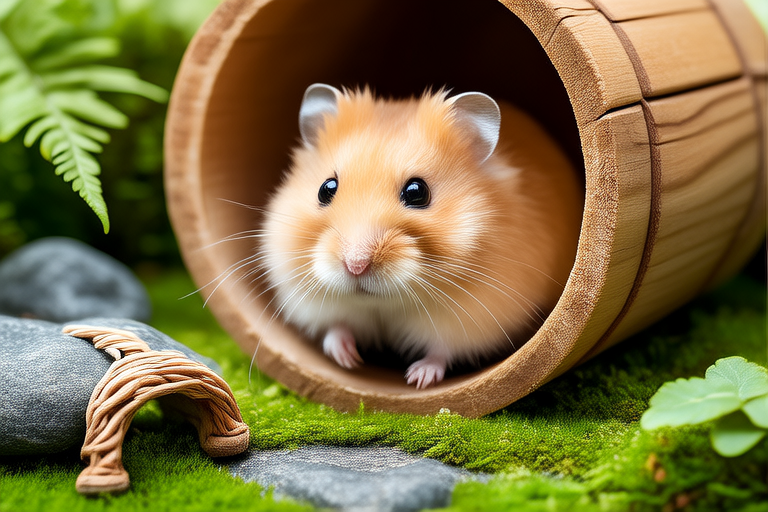
From Cage to Adventure: Creative Ways to Exercise Your Golden Hamster
Welcome to this comprehensive guide on how to keep your golden hamster active, healthy, and mentally stimulated. As a pet owner, it’s essential to understand the exercise needs of your hamster and provide them with safe and enjoyable ways to stay fit. This article will cover everything from understanding the exercise needs of golden hamsters to creating DIY toys and setting up supervised outdoor play areas.
Understanding the Exercise Needs of Golden Hamsters
Golden hamsters are nocturnal creatures, which means they are most active during the night. They have a lot of energy and need regular exercise to maintain their health and well-being. In the wild, hamsters run several miles every night, so it’s crucial to replicate this activity in captivity.
Adequate exercise helps prevent obesity, improves cardiovascular health, and keeps your hamster’s mind sharp. Lack of physical activity can lead to behavioral issues such as biting or excessive chewing. Understanding your hamster’s natural behaviors and providing appropriate outlets for their energy can help you create a happy and healthy environment.
Safety Tips for Hamster Activities
While it’s important to encourage your hamster to exercise, ensuring their safety is paramount. Here are some tips to keep your hamster safe during their adventures:
- Supervision: Always supervise your hamster when they are outside of their cage. Keep an eye out for any potential hazards, such as open doors or windows, toxic plants, or small objects that could be ingested.
- Safe Surfaces: Use smooth, non-slip surfaces for running and playing. Avoid carpeted areas, as loose fibers can get tangled in your hamster’s paws.
- Temperature Control: Hamsters thrive in temperatures between 65-75°F (18-24°C). Ensure the area where your hamster plays is neither too hot nor too cold.
- Quiet Environment: Hamsters are easily stressed by loud noises. Choose a quiet room for playtime to reduce stress and allow your hamster to focus on exercising.
DIY Toys and Obstacle Courses
Making DIY toys and obstacle courses is a fun way to engage your hamster and provide mental stimulation. Here are some ideas:
Rolling Balls
Hamsters love rolling balls. You can purchase plastic hamster balls, but you can also make one yourself using a large plastic container with a lid. Cut a hole in the side of the container just big enough for your hamster to enter and exit. Fill the container with soft bedding, and let your hamster explore.
Tunnels
Hamsters are natural burrowers, so providing tunnels for them to explore is a great idea. You can use cardboard tubes from paper towels or toilet paper rolls. Connect several tubes to create a complex tunnel system. Add small pieces of food inside the tunnels to encourage exploration.
Ramps and Platforms
Building ramps and platforms allows your hamster to climb and jump, which is excellent for muscle development. Use small, stable objects like wooden blocks or cardboard boxes. Ensure all structures are secure and provide easy access to the ground.
Obstacle Course
Create an obstacle course by combining tunnels, ramps, and platforms. Place toys and treats at various points to encourage your hamster to navigate through the course. Change the layout periodically to keep things interesting.
Supervised Outdoor Play Options
Outdoor playtime provides fresh air and new stimuli for your hamster. Here are some safe and enjoyable outdoor play options:
Pet-Friendly Garden Area
If you have a garden, create a designated, enclosed area for your hamster. Ensure the space is free from harmful chemicals and pesticides. Place a shallow dish filled with water and some toys for your hamster to enjoy.
