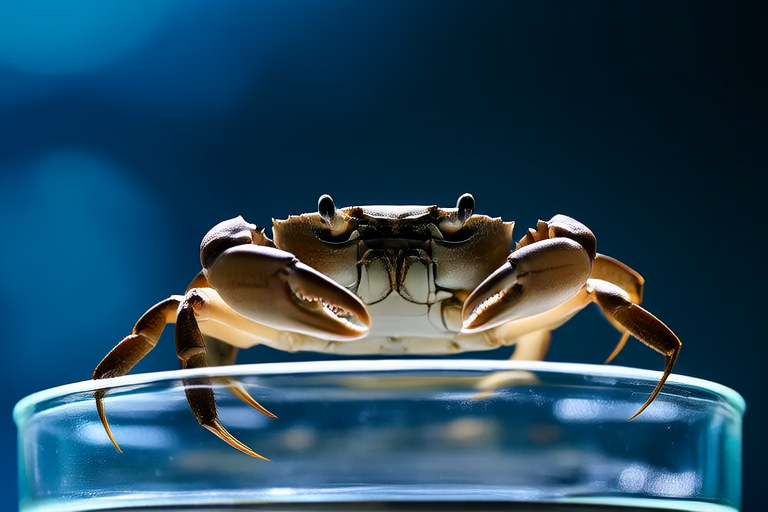
The Fascinating World of Pea Crabs: Tiny Marvels of the Marine Ecosystem
Pea crabs (Pinnotheres) are among the smallest and most fascinating creatures in the vast ocean. These diminutive crustaceans, named for their resemblance to the humble garden pea, have long intrigued scientists and marine enthusiasts alike. Despite their microscopic size, pea crabs possess a range of unique characteristics that make them stand out in the world of marine life. Their surprising adaptations, symbiotic relationships, and critical ecological roles render them indispensable members of their respective ecosystems.
Unique Characteristics and Habitat
Pea crabs are distinguished by their small size, typically measuring less than an inch in length. This minuscule stature allows them to inhabit some of the most unusual and challenging environments within the marine realm. Their translucent bodies, often adorned with delicate patterns and hues, enable them to blend seamlessly into their surroundings, making them nearly invisible to predators. Pea crabs are found across the globe, from shallow coastal waters to the deep sea, but they are particularly abundant in temperate regions where their hosts thrive.
Their habitat is closely tied to the species they associate with, as pea crabs are obligate symbionts, meaning they cannot survive independently. They rely on the protective shelters provided by their hosts, which include sea cucumbers, bivalves, and other marine organisms. Within these safe havens, pea crabs can find refuge from larger predators and harsh environmental conditions, ensuring their survival in an otherwise perilous aquatic world.
Symbiotic Relationships
One of the most remarkable aspects of pea crab biology is their symbiotic relationship with their hosts. These tiny crustaceans form mutually beneficial partnerships with various marine species, including sea cucumbers and bivalves. The relationship between pea crabs and their hosts is a prime example of interspecies cooperation, where both parties benefit from the association.
In the case of sea cucumbers, pea crabs take up residence within the body cavity of their host. Here, they feed on the nutrient-rich fluids produced by the sea cucumber, providing themselves with sustenance while simultaneously cleaning the host’s internal environment. In return, the pea crabs offer protection to the sea cucumber by warding off potential parasites and pathogens. This mutualistic relationship ensures the well-being of both parties, contributing to the overall health of the marine ecosystem.
Pea crabs also form symbiotic relationships with bivalves, such as clams and oysters. These crabs reside within the gill chambers of their hosts, where they consume the planktonic particles filtered from the water by the bivalve. By doing so, pea crabs assist in the filtration process, helping to maintain the clarity of the surrounding waters. In exchange, the bivalves provide the pea crabs with a secure home and a steady supply of food. This symbiosis exemplifies the intricate web of interdependencies that characterize marine ecosystems.
Ecological Role
Pea crabs play a crucial role in maintaining the balance of marine ecosystems. As filter feeders, they contribute to the purification of seawater by removing particulate matter and organic debris. Additionally, their presence within their hosts’ bodies helps regulate the internal environment, preventing the buildup of harmful substances and promoting the overall health of their symbiotic partners.
The reproductive cycle of pea crabs further underscores their importance in marine ecosystems. Female pea crabs lay their eggs within the gill chambers of their hosts, where they remain protected until they hatch. The larvae then disperse into the surrounding waters, where they begin their own journey through the complex marine food web. This reproductive strategy ensures the continuation of pea crab populations and contributes to the genetic diversity of marine communities.
Recent Scientific Discoveries
Recent scientific studies have shed new light on the behavior and biology of pea crabs, revealing previously unknown aspects of their lives. Researchers have discovered that pea crabs exhibit a high degree of specialization in their choice of hosts, with certain species showing a preference for specific types of marine organisms. This specialization suggests that pea crabs have evolved over time to optimize their symbiotic relationships, ensuring the best possible outcomes for both themselves and their hosts.
Another fascinating discovery pertains to the communication methods employed by pea crabs. Scientists have observed that these tiny crustaceans engage in complex signaling behaviors, using chemical cues to communicate with their hosts and other members of their species. This form of communication plays a vital role in establishing and maintaining symbiotic relationships, ensuring the harmonious coexistence of all parties involved.
Moreover, recent research has highlighted the adaptability of pea crabs in response to changing environmental conditions. Studies have shown that these crustaceans can alter their feeding habits and reproductive strategies in response to shifts in temperature, salinity, and nutrient availability. This flexibility enables pea crabs to thrive in diverse marine environments, contributing to their widespread distribution across the globe.
Dispelling Common Misconceptions
Despite their captivating nature, pea crabs are often misunderstood by those unfamiliar with their biology. One common misconception is that pea crabs are parasitic organisms, preying upon their hosts and causing harm. However, this could not be further from the truth. As we have seen, pea crabs engage in mutually beneficial relationships with their hosts, offering protection and assistance in exchange for shelter and food. This mutualism is a cornerstone of marine ecology, highlighting the interconnectedness of all living things within the ocean.
Another misconception is that pea crabs are insignificant members of the marine community, their impact on ecosystems being negligible. This view fails to recognize the crucial role that pea crabs play in maintaining the balance of marine ecosystems. From their contribution to water purification to their support of host health, pea crabs are integral components of the complex web of life that characterizes the ocean.
The Wonder and Importance of Pea Crabs
The world of pea crabs is one of wonder and intrigue, filled with microscopic marvels that challenge our understanding of marine life. These tiny crustaceans, with their unique characteristics and surprising adaptations, remind us of the incredible diversity and complexity that exists within the ocean. Their symbiotic relationships with other marine species demonstrate the power of cooperation and mutualism, offering valuable lessons for human societies.
As we continue to explore the mysteries of the deep, it is essential that we recognize the importance of pea crabs and other small organisms in maintaining the health and vitality of marine ecosystems. By protecting these vital components of the ocean, we ensure the preservation of the entire marine environment for future generations to enjoy.
