Healthy Recipes
How To Prepare Healthy Meals For The Entire Coming Week
Eat Smarter, Save Time, Thrive Daily.
How To Prepare Healthy Meals For The Entire Coming Week
Introduction
In the hustle and bustle of modern life, prioritizing nutrition often takes a backseat to deadlines, family obligations, and daily commutes. The result is frequently reliance on convenience foods, takeout, or skipping meals altogether, leading to decreased energy levels and poor long-term health outcomes. However, there is a proven method to reclaim control over your diet without sacrificing your free time: weekly meal preparation. By dedicating a few hours each week to planning and cooking, you can secure a supply of healthy, delicious meals that fuel your body and mind. This comprehensive guide walks you through the entire process, from understanding why meal prep matters to mastering the logistics of storage and consistency.
## Understanding the Value of Weekly Meal Prep
Before diving into the logistics, it is essential to understand why this effort yields such significant rewards. Meal prepping is not merely about saving a trip to the kitchen; it is a strategic lifestyle adjustment that impacts your time, stress levels, and nutritional intake.
### Saving Time and Reducing Decision Fatigue
The most immediate benefit of meal preparation is time efficiency. Consider the average amount of time spent on grocery shopping, meal planning, chopping ingredients, cooking, and cleaning up after a traditional daily cycle. When multiplied by seven days, this adds up to numerous hours per month. By consolidating these tasks into a dedicated session, usually on a weekend day, you free up weekday evenings for relaxation, socialization, or rest. Furthermore, deciding what to eat for dinner every night creates cognitive load known as decision fatigue. Once your meals are prepared, this choice disappears, removing a daily burden and streamlining your evening routine.
### Improving Overall Nutrition Habits
When you prepare your own food, you control every ingredient entering your body. Restaurant meals and pre-packaged groceries often contain excessive amounts of sodium, sugar, and unhealthy fats to enhance flavor and shelf life. Home-cooked meals allow you to use fresh herbs, lean proteins, and wholesome grains. Over time, having healthy options readily available reduces the temptation to fall back on unhealthy fast food when hunger strikes. You are less likely to skip meals because your food is waiting for you, ensuring consistent energy levels throughout the workday.
### Financial Savings
While initial investment in containers or ingredients may seem higher, meal prepping is generally more economical than eating out daily. Buying staple items in bulk, utilizing sales, and reducing food waste by consuming everything cooked ensures your money is working harder. Additionally, fewer emergency takeout orders mean significant savings that accumulate rapidly over a year.
## Creating a Balanced Meal Plan
A successful week begins with a solid plan. Impromptu cooking often leads to waste and unhealthy choices. A structured approach ensures you get the right balance of macronutrients and calories to support your goals.
### Calculating Calorie and Nutrient Needs
Before selecting recipes, consider your dietary requirements. Whether you are aiming for weight loss, muscle gain, or maintenance, knowing your caloric needs helps prevent overeating. Online calculators can estimate your Basal Metabolic Rate (BMR) based on age, gender, height, and activity level. Once established, design your meals to align with these numbers. Pay attention to macronutrients: proteins are essential for muscle repair, carbohydrates provide energy, and healthy fats support brain function. Aim for a plate composition of half vegetables, a quarter lean protein, and a quarter complex carbohydrate for each meal.
### Selecting Diverse Recipes
Variety is the spice of life, especially when eating the same foods repeatedly. Selecting diverse recipes prevents "flavor fatigue" and ensures a broad spectrum of vitamins and minerals. Try to pick three main protein sources, two grain bases, and four different vegetable types. For breakfast, consider overnight oats or egg muffins. Lunches could include quinoa bowls or grilled chicken salads. Dinners might feature stir-fries, roasted meats, or pasta dishes. Incorporating cuisines like Mediterranean, Asian, or Mexican can keep things exciting without compromising health.
### Ensuring Mix of Proteins, Grains, and Vegetables
Do not neglect the base components. Lean proteins like chicken breast, tofu, turkey, beans, and fish should form the core of your meals. Choose whole grains like brown rice, quinoa, farro, or whole-wheat pasta over refined white versions to aid digestion and blood sugar regulation. Vegetables should be colorful; dark leafy greens, cruciferous vegetables like broccoli and cauliflower, root vegetables, and bell peppers offer distinct nutrients. Rotate colors and textures to maintain interest and nutritional completeness.
## Smart Grocery Shopping Strategies
Once your menu is finalized, your next stop is the store. Shopping efficiently requires discipline and preparation. Walking into a market without a list almost guarantees impulse buying and overspending.
### Creating Effective Shopping Lists
Organize your shopping list by the layout of the grocery store to save time and minimize backtracking. Group items by category: produce, dairy, meat, dry goods, and frozen sections. Also, check your pantry and fridge inventory first. You do not want to buy tomatoes if you already have three jars of sauce at home. Digital apps can help manage lists across devices, allowing family members to check off items in real-time.
### Buying Staple Items in Bulk
Bulk buying is highly effective for non-perishable staples. Rice, pasta, nuts, seeds, canned beans, and spices often come at a lower price per unit when bought in larger quantities. Store these in airtight containers once opened to maintain freshness. However, avoid bulk buying perishable fresh produce unless you have a plan to freeze or consume it quickly to avoid spoilage.
### Prioritizing Fresh Produce Over Processed Foods
Shop the perimeter of the store where fresh produce, meats, and dairy are typically located. The inner aisles usually contain highly processed foods high in additives and preservatives. If you must use frozen vegetables, opt for bags containing only the vegetable without added sauces or seasonings. Fresh fish is preferable, but frozen wild-caught seafood is also nutrient-dense and cost-effective if purchased wisely. Always read labels to check for hidden sugars and trans fats in packaged goods.
## Efficient Cooking and Batch Processing
The actual cooking phase requires strategy to maximize output without exhaustion. Efficiency comes from multitasking and proper tool usage.
### Organizing Ingredients Before Chopping
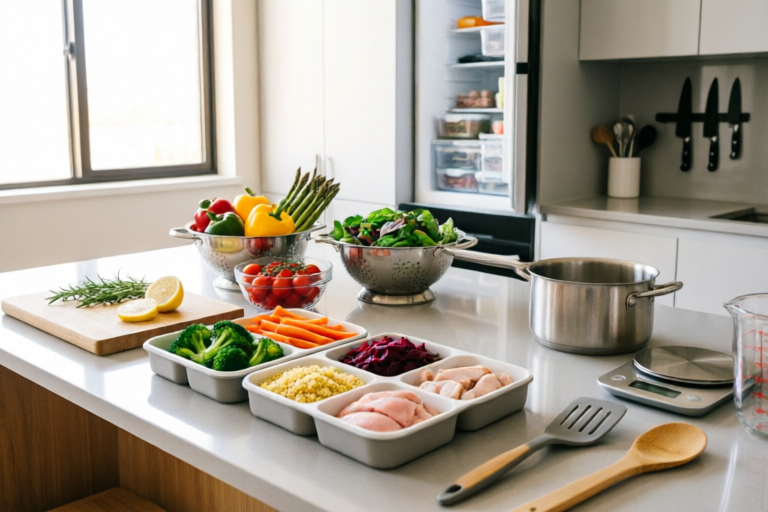
This concept, known as Mise en Place, is a professional kitchen technique. Wash, peel, chop, and measure all your ingredients before turning on the stove or oven. This prevents burning while you search for a missing garlic clove. Set up your workstation with separate bowls for prepped veggies, measuring cups filled, and spices organized. This flow state makes cooking faster and cleaner.
### Utilizing Simultaneous Cooking Methods
Maximize your appliance usage. While the rice cooks on the stovetop, roast vegetables in the oven simultaneously. If you have a toaster oven or air fryer, use those for smaller batches while the main oven works on a tray of chicken. This allows you to complete more than one component at the exact same time. Additionally, utilize passive cooking methods where possible. Slow cookers and Instant Pots require little supervision. Add ingredients in the morning, and set the timer so your food is ready when you return from work, even on weekdays.
### Practical Techniques and One-Pan Meals
For beginners, one-pan meals or sheet pan dinners are excellent. Roast a mixture of chicken thighs and sweet potatoes on a single baking sheet. It minimizes dishwashing and simplifies serving. Use oven-safe ceramic dishes for casseroles or baked pastas. Steaming baskets fit over boiling pots, allowing you to cook proteins and veggies together. The goal is volume with minimal active effort.
## Safe Storage and Staying Consistent
Once cooking is done, the battle shifts to storage and longevity. Proper handling ensures your meal prep remains safe and appetizing throughout the week.
### Choosing Proper Containers
Invest in high-quality glass or BPA-free plastic containers. Glass is durable, does not stain, and is microwave safe without leaching chemicals. Look for rectangular containers rather than round ones to save space in the refrigerator. Ensure they have tight-sealing lids to prevent odors from mixing between meals. Portion sizes matter; use containers that hold individual servings to avoid the temptation of reheating a massive pot that encourages snacking.
### Refrigeration Schedules and Labeling
Label every container with the date it was cooked. Most cooked meals remain safe in the refrigerator for three to four days. Anything prepared for later in the week should be frozen immediately. Freeze portions intended for Day 5 onwards. Use a calendar or phone reminder to consume older items first (FIFO: First In, First Out). Thaw frozen meals safely in the refrigerator overnight rather than on the counter to prevent bacterial growth.
### Maintaining the Routine Long-Term
Meal prepping is a habit, and habits require consistency. If you miss a week, do not abandon the program. Start small; perhaps prep only lunches for the first week, or snacks instead of full meals. Celebrate the wins, such as saving $50 on takeout or feeling energized on Tuesday. Listen to your body; if you dislike a recipe, replace it with something you love. Flexibility keeps motivation alive. Remember that perfection is not the goal, improvement is.
### Common Challenges and Solutions
Many people struggle with motivation mid-week. Combat this by making meals visually appealing and flavorful. If texture becomes an issue (e.g., soggy salad greens), keep dressing separate until eating time. If taste fatigue sets in, rotate flavors—use different spices or hot sauces. Another challenge is time constraints; if weekends are busy, try Sunday mornings or split prep sessions across two days. Having a supportive environment, whether sharing with friends or following online communities, provides accountability.
Conclusion
Preparing healthy meals for the entire week is a transformative skill that offers freedom, health, and peace of mind. It moves nutrition from a daily struggle to a sustainable system. By understanding the value, planning intelligently, shopping smartly, cooking efficiently, and storing safely, you create a foundation for lifelong well-being. Start today with a simple menu and work your way up. Your future self will thank you for the nourishment, savings, and time you invest right now. Embrace the rhythm of meal prep, and discover a simpler, healthier way of living."}
Comments

SundayChef
finally someone explaining why doing this is worth it. motivation boost thanks!
👍 20👎 0

KitchenGuru
pro tip: glass containers are way better than plastic for reheating. no weird smells.
👍 3👎 0

FitFamMike
anyone else struggle with veggies getting soggy midweek? maybe store dressing separately idk
👍 3👎 0

BusyMomJen
Saved this page! going grocery shopping tomorrow morning. fingers crossed.
👍 21👎 0

VeggieVibes
Swapped quinoa for brown rice because that's all i had on hand. turned out great though!
👍 1👎 0

HungryHank
Quick question, how many days can I keep chicken prepped before freezing? dont wanna get sick 😂
👍 5👎 0

PrepQueen99
honestly this is the first time meal prepping actually worked for me. saved so much money too lol
👍 13👎 0