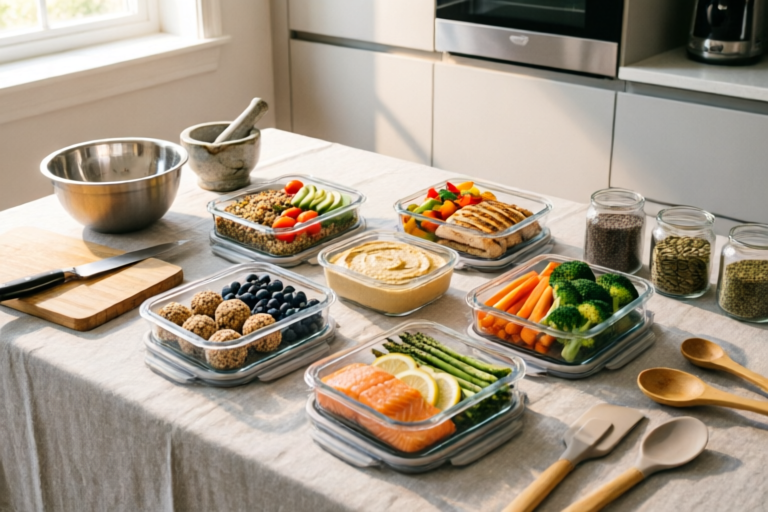
## Introduction: The Benefits of Healthy Meal Prepping
In the hustle and bustle of modern professional life, finding time to eat well often feels like an impossible luxury. Between morning meetings, endless emails, tight deadlines, and the commute home, many people find themselves relying on convenience stores, vending machines, or delivery apps to fuel their afternoons. While these options may seem efficient in the moment, they often come at a steep price—not just financially, but also regarding energy levels and long-term health. This is where the concept of meal prepping enters the picture as a game-changer.
Meal prepping is not merely about chopping vegetables on a Sunday; it is a strategic approach to nutrition and lifestyle management. By dedicating a few hours at the start of the week to prepare multiple meals at once, you effectively buy yourself time throughout the week. You eliminate the daily question of \"what am I eating for lunch?\", which is often the first decision that leads to impulse buying or unhealthy choices when hunger strikes.
### Why Planning Ahead Matters
The benefits of healthy meal prepping extend far beyond simple convenience. Let’s break down why this practice has become essential for those seeking to maintain a balanced lifestyle:
**1. Financial Savings**
One of the most immediate impacts of meal prepping is financial. Eating out for lunch every day adds up quickly. A simple sandwich might cost $10-$15, and adding a drink or side pushes the bill higher. Over five working days, that is roughly $50-$75 per week, or over $2,500 annually. By preparing meals at home, you can spend significantly less on ingredients—often half the cost of restaurant prices—while gaining control over what goes into your body. Furthermore, bulk cooking reduces food waste. When you plan a menu around ingredients you already have or that fit perfectly into a weekly rotation, you are less likely to throw away unused produce or expiring proteins.
**2. Nutritional Control and Better Health Choices**nWhen you cook your own food, you decide the calories, sodium, sugar, and fat content. Restaurant meals are notoriously high in hidden fats and sugars designed to enhance flavor, often leading to the dreaded afternoon slump characterized by heavy digestion and low energy. Home-prepared meals allow you to prioritize lean proteins, complex carbohydrates, and fiber-rich vegetables. This deliberate nutritional balance supports stable blood sugar levels, sustained focus during work hours, and consistent energy throughout the day.
**3. Time Management**
It sounds counterintuitive: cooking more saves time. However, spending three hours on Sunday cooking in batches is infinitely more time-efficient than spending 15 minutes cooking dinner and then going to the grocery store three times a week while rushing through lunch breaks. Meal prepping consolidates your cooking tasks into one dedicated block of time. This frees up weekday evenings for relaxation, family, or hobbies rather than kitchen drudgery.
**4. Stress Reduction**
The mental load of decision-making is real. Constantly deciding what to eat adds cognitive friction to an already demanding schedule. When your lunches are pre-decided, you remove a variable from your daily stress equation. You wake up knowing exactly how your day will fuel your body, creating a sense of stability and routine that contributes to overall mental well-being.
## Planning Your Menu and Creating a Shopping List
Successful meal prepping starts before you ever open the refrigerator. It begins with a blueprint. Jumping straight into shopping without a plan is the fastest route to wasted money, spoiled food, and lackluster meals. This section will guide you through the strategic phases of planning your menu and executing a focused shopping trip.
### Selecting Balanced Recipes
When designing your weekly menu, the goal is variety without chaos. Aim to select 3 to 5 distinct recipes that cover different protein sources, grains, and vegetable profiles. Here are the core principles for building these recipes:
**Macro Balance**
Ensure every meal contains a source of protein (chicken, tofu, beans, fish), a complex carbohydrate (brown rice, quinoa, sweet potato), and healthy fats (avocado, olive oil, nuts). This trio provides satiety and keeps hunger pangs at bay until dinner.
**Flavor Profiles**
Cooking the same plain chicken breast for five days is a recipe for disaster. Instead, theme your meals. For example, Monday could feature Mexican flavors (burrito bowls), Wednesday could switch to Mediterranean (grilled fish and salad), and Friday could embrace Asian stir-fry vibes. Changing spices, marinades, and sauce bases prevents palate fatigue.
**Freezer-Friendly Options**nNot all food holds up well in the fridge for five days. Salads with lettuce wilt, creamy pasta gets soggy, and crispy foods lose texture. Prioritize dishes that reheat well. Casseroles, grain bowls, roasted meats, and stews generally survive the fridge journey beautifully. Reserve fresh salads for lunches that can be eaten earlier in the week or prepared fresh mid-week.
### Determining Portion Sizes
A common mistake in meal prepping is overestimating the yield or underestimating serving sizes. Before you chop a single carrot, estimate how many servings you need. Calculate based on:
* **Work Days:** Are you taking lunch Mon-Fri? Or only Mon-Thu?
* **Snacking:** Do you need pre-portioned snacks as part of your prep?
* **Variety:** Do you want leftovers for dinners?
Use measuring cups initially to understand volume. Once you establish what fits into your chosen container, you won’t need to measure every subsequent batch. This ensures you don’t overeat due to portion confusion, nor do you suffer from hunger later in the day.
### Organizing a Focused Grocery Trip
With your menu locked, create a categorized shopping list organized by aisle (Produce, Proteins, Grains, Condiments). Stick to this list rigorously. Impulse buys are the enemy of budget-friendly meal prepping.
**The Pantry First Approach**
Before leaving the house, check what you already have. Do you have enough olive oil? Canned tomatoes? Rice? Using existing pantry staples saves money and reduces clutter. Focus your grocery budget on fresh items that require immediate preparation or purchase.
**Seasonal Produce**
Buy fruits and vegetables that are currently in season. They are cheaper, fresher, and often tastier. For example, zucchini is abundant and cheap in summer, while root vegetables shine in winter. This not only saves money but encourages seasonal eating patterns which are generally more nutritious.
**Budget Allocation**
Assign a dollar amount to your protein, produce, and carbs. Meats and specialty items often blow the budget, so consider stretching meat by pairing it with bulking agents like beans, lentils, or extra veggies. Remember, the goal is sustainable affordability, not perfectionism.
## Efficient Cooking and Batch Preparation Techniques
Once you have your ingredients at home, the execution phase begins. Efficiency is the name of the game here. You want to maximize output while minimizing cleanup and time spent standing over the stove.
### Mise En Place: Prep Before You Cook
French chefs call this \"mise en place,\" meaning \"everything in its place.\" Spend 15 minutes washing, peeling, and chopping all your vegetables and measuring out your dry goods before turning on any heat appliances. Having everything prepped allows you to move seamlessly between tasks. If a recipe calls for onions at minute 10 and carrots at minute 20, having them both chopped and sorted prevents scrambling and burning.
### Roasting Vegetables and Grilling Proteins in Bulk
Oven roasting and grilling are the backbone of efficient batch cooking. These methods require minimal active monitoring compared to stovetop sautéing.
**Sheet Pan Mastery**
Line multiple baking sheets with parchment paper. Toss broccoli, Brussels sprouts, bell peppers, and potatoes in oil and seasoning, spread them in a single layer (crowding steams them rather than roasting them), and roast at a high temperature (400°F / 200°C). This cooks vegetables evenly and creates a caramelized edge without burning.
**Protein Versatility**nChicken breasts can be marinated and baked on the same tray. Ground turkey can be browned in a large skillet in massive quantities. Salmon fillets can be baked individually or in trays with lemon slices. If you grill, cook the entire rack of meat, letting it rest before portioning. This reduces the number of fires lit and pans washed.
### Assembling Components Separately
This is the secret to freshness. Do not mix wet and dry components until reheating. If you put dressing on green beans today, by Thursday they will be soggy.
**The Layering Technique**
In your storage containers, place the hardest item at the bottom (rice, pasta, sturdy grains), followed by proteins, and finally soft vegetables on top. Pour dressings or sauces into separate small compartments or glass jars rather than drizzling directly onto the mix. This allows you to toss the meal right before you eat, preserving texture.
**Equipment Shortcuts**
Invest in tools that save labor.
* **Instant Pot:** Perfect for cooking grains and stewing meats simultaneously with little effort.
* **Slow Cooker:** Great for soups, chili, or shredding chicken overnight while you sleep.
* **Food Processor:** Dramatically reduces chopping time for large volumes of kale, carrots, or onions.
### Time-Saving Hacks
**Multi-tasking Workflow**
While your oven is preheating, chop your veggies. While the rice cooks, wash the sink and clean the counters used for prep. Cleaning as you go ensures that when your cooking session ends, your kitchen is ready for a relaxing weekend, not covered in dirty dishes.
**Double Duty**
When cooking a large batch of pasta or rice, double the quantity. Eat half for your prepped lunches and freeze the other half for quick dinners during the week. This extends the value of your initial effort even further.
## Storage Solutions and Food Safety Guidelines
You have worked hard on selecting recipes, shopping, and cooking. Now, the preservation stage ensures that all that effort pays off safely until Friday lunch.
### Suitable Container Types
Your choice of container impacts the longevity and safety of your food.
**Glass Containers**
High-quality tempered glass is superior to plastic for several reasons. It doesn’t absorb odors or stains, is microwave-safe (without warping), and is free from chemicals like BPA or phthalates. Glass also tends to seal tighter, preventing air exposure which causes spoilage.
**BPA-Free Plastic**
If you prefer lightweight plastic for travel, ensure it is labeled BPA-free and dishwasher safe. Some plastics degrade over time or crack, which harbors bacteria. Avoid putting very hot food directly into plastic containers; let the food cool slightly first.
**Compartmentalization**
Containers with dividers are excellent for keeping sauces separate from main dishes or fruits separate from salty snacks. This prevents cross-contamination of flavors and moisture transfer.
### Labeling Methods and Freshness Tracking
Never leave food unlabeled. Write the preparation date and contents on masking tape or a waterproof label maker directly on the lid. This serves two purposes: food safety and sanity. If a container looks identical to another, knowing which is spinach soup and which is lentil curry prevents unpleasant surprises. Additionally, you can identify older items that need to be eaten first (First-In, First-Out).
### Temperature Rules and Shelf Life
Food safety is non-negotiable. The USDA recommends keeping perishable foods below 40°F (4°C) until reheating.
**Fridge Life**
Most cooked meals remain safe in the refrigerator for 3 to 4 days. Some hearty stews or casseroles might last 5 days, but greens-based meals should ideally be consumed by Day 3. If your prep is meant for the whole week (Mon-Fri), ensure you pack the freshest items for Friday and the firmer, hearty items (potatoes, carrots, dense grains) for early days.
**The Two-Hour Rule**
Never leave cooked food at room temperature for more than two hours. If you are packing your lunch bag in the morning, ensure your thermos or insulated lunch box keeps the food cold if possible, or consume it immediately upon reaching the office. If your office lacks a fridge, rely on insulated bags with ice packs.
**Signs of Spoilage**
Train your senses. If food smells sour, changes color unexpectedly, or develops sliminess, discard it immediately. Do not attempt to \"mask\" the smell with salt or pepper. Trust your gut (literally); your body will warn you before you get sick.
**Reheating Guidelines**
When reheating your prepped meals, ensure the internal temperature reaches 165°F (74°C) to kill potential bacteria. Stirring the food halfway through microwaving ensures even heating. Allow hot food to cool completely before placing it back in the fridge to prevent condensation that breeds mold.
## Conclusion: Maintaining Variety and Consistency
Achieving a successful week of healthy meal prepping isn’t just about surviving Monday to Friday; it’s about building a sustainable habit that lasts a lifetime. However, consistency can be the hardest part when cravings set in or life gets hectic.
### Managing Cravings and Rotating Flavors
It is natural to crave variety. Even the most disciplined eater grows tired of the same dish every day. To combat this:
* **Theme Weeks:** Designate weeks around specific cuisines (e.g., Taco Tuesday week, Thai week) to keep excitement high while sticking to healthy parameters.
* **Mix and Match:** Prepare components, not just full meals. Have a stash of roasted chickpeas, grilled shrimp, and quinoa. Mix them differently each day to change the profile without starting from scratch.
* **Treat Days:** Schedule one meal or snack per week that is a \"treat\" meal outside of your prep routine. Knowing you have a planned indulgence makes it easier to stay strict on the other meals.
### Building a Sustainable Habit
Consistency relies on realistic expectations. Don’t start by prepping ten meals on day one if you are just beginning. Start with four, build confidence, and gradually increase. Listen to your body. If you feel hungry, your portions were too small. If you feel bloated, adjust the spices or fat content. The goal is nourishment, not deprivation.
### Long-Term Success
Ultimately, meal prepping is an act of self-care. It is telling yourself, \"My health matters enough that I will invest time now to give me fuel later.\" Over months and years, the cumulative effect of consistent, healthy eating compounds into significant improvements in physical fitness, mental clarity, and disease prevention. You save money, reduce waste, and reclaim time. By embracing the planning, cooking, and storing process as a holistic routine rather than a chore, you turn a week-long obligation into a lasting lifestyle asset. Start this week, stick to the plan, and watch your productivity and health soar together.