Healthy Recipes
How to Make Nutritious Smoothie Bowls in Under Ten Minutes
Fuel Your Morning, Elevate Your Health
# How to Make Nutritious Smoothie Bowls in Under Ten Minutes
## Introduction: The Benefits of Quick and Healthy Smoothie Bowls
In today’s fast-paced world, the concept of a leisurely breakfast often feels like a luxury reserved for weekends. Between rushing out the door, managing emails, commuting, and attending to family responsibilities, finding time to sit down and enjoy a wholesome meal before starting the day can seem impossible. Many people compromise their nutrition by grabbing sugary cereal, pastries, or processed bars that offer fleeting energy spikes followed by inevitable crashes. However, there is a solution that bridges the gap between convenience and nutrition: the smoothie bowl.
Smoothie bowls have revolutionized the morning landscape. Unlike traditional smoothies meant to be drunk through a straw—which often results in consuming less fiber and lacking texture—a smoothie bowl is designed to be eaten with a spoon. It offers a meal-like experience that keeps you fuller for longer due to the increased viscosity and inclusion of solid toppings. The primary value proposition here is the ability to pack an impressive amount of nutrients into a single, visually stunning dish without spending hours in the kitchen.
Imagine having a meal in front of you that provides complex carbohydrates for sustained energy, healthy fats for brain function, and a plethora of antioxidants to fight inflammation, all prepared in the time it takes to brew your coffee. This is achievable. By leveraging smart preparation and understanding the mechanics of blending, you can create a nutritious masterpiece in under ten minutes. This guide will walk you through everything you need to know to master this skill, from selecting the right raw materials to executing the perfect blend.
The beauty of the smoothie bowl lies in its adaptability. Whether you are following a strict vegan diet, managing keto macros, or simply trying to incorporate more vegetables into your children’s diets, a smoothie bowl can be modified to suit any dietary requirement. Furthermore, because the process is so rapid, it reduces the decision fatigue associated with choosing what to eat. Once you establish a few foundational routines, making a healthy bowl becomes automatic, ensuring that your body receives consistent fuel regardless of how chaotic your schedule becomes.
## Essential Ingredients for a Fast and Nutritious Base
The foundation of a successful smoothie bowl is the base mixture. While it may seem simple, getting the ratio of ingredients correct is crucial to achieving the desired thick consistency and flavor profile without relying on excessive sugar. To minimize prep time while maximizing nutrition, we focus on three key components: frozen fruits, healthy liquids, and protein boosters.
### The Power of Pre-Frozen Fruits
The secret to speed and texture is using frozen fruit. When you freeze ripe fruits like bananas, mangoes, berries, or peaches, you preserve their nutrients and enhance their creamy texture upon blending. A frozen banana acts as a natural sweetener and thickener, mimicking the mouthfeel of soft-serve ice cream without the added dairy or refined sugars found in commercial desserts. Berries such as blueberries, strawberries, and raspberries add vibrant color and a significant antioxidant load known as polyphenols, which support heart health and cognitive function.
While fresh fruit works, it requires more liquid to blend smoothly, often resulting in a soup-like consistency rather than a bowlable one. Therefore, keeping a stash of pre-washed and pre-cut frozen fruit in your freezer is the most time-saving investment you can make. You can buy bags of mixed berries or peel and chunk your own bananas on Sunday night, freeze them in portions, and grab a handful directly into the blender on Monday morning.
### Selecting the Right Liquids
Liquid is necessary for the blades to catch and move, but too much will turn your bowl into a drink. The choice of liquid impacts both flavor and macros. For a neutral base, unsweetened almond milk is a popular choice, providing creaminess without overpowering the fruit flavors. For a protein boost, cow’s milk, soy milk, or pea milk protein shakes work well. If you prefer plant-based alternatives, oat milk offers a thicker, sweeter base that blends beautifully, though it carries slightly more calories.
Water is an option if you are strictly watching calorie intake, but it lacks the richness of other milks. Another excellent hack is to use chilled green tea or coconut water. Chilled tea adds a subtle caffeine kick and hydration, while coconut water provides essential electrolytes like potassium, which is beneficial especially if you exercise in the morning. The rule of thumb is to start small. Pour just enough liquid to help the blades spin freely, usually around half a cup for two cups of frozen fruit. You can always adjust later if the mixture is too thick to move.
### Adding Protein and Healthy Fats
To ensure the smoothie bowl functions as a true meal that sustains satiety, adding protein and healthy fats is non-negotiable. Whey protein powder is a standard addition for many, but plant-based options like pea, brown rice, or hemp protein powders are equally effective and easier to digest for some. One scoop typically adds 20 grams of protein, turning a snack into a complete post-workout recovery meal.
Healthy fats contribute to the luxurious texture and help absorb fat-soluble vitamins. Nut butters—peanut, almond, cashew, or tahini—are excellent additions. Two tablespoons of nut butter not only add creaminess but also slow down the absorption of sugar from the fruit, preventing insulin spikes. Chia seeds or ground flaxseeds are another fantastic source of omega-3 fatty acids and fiber. They can be mixed directly into the base or sprinkled on top. Avocado is another secret weapon; adding half a ripe avocado makes the bowl incredibly rich and velvety, masking the flavor if you want to sneak extra greens into the mix.
## Step-by-Step Blending Process for Ideal Texture
Achieving the perfect "spoonable" consistency is an art form. Many beginners fail because they pour in too much liquid or blend the ingredients in the wrong order. This step-by-step guide ensures you achieve a thick, aerated texture in under ten minutes.
### Preparing Your Equipment
Before you begin, ensure your blender is clean and dry. A high-speed blender is preferred for crushing ice and frozen fruit efficiently, allowing you to keep chunks of fruit that would otherwise be difficult to pulverize. A standard blender might struggle with hard frozen pieces, leading to motor strain or uneven texture. Use a tamper tool if your blender supports it to push ingredients toward the blades safely without stopping the machine. Have your toppings ready on plates nearby before you start blending to save seconds once the base is done.
### The Layering Technique
Order matters significantly in blending. To prevent your blender from sticking or burning out, follow the stacking technique:
1. **Liquid First**: Always pour the liquid into the blender jar first. This lubricates the blades immediately upon startup and prevents the blades from jamming on dry ingredients. Start with ½ to ¾ cup depending on how thick you want the final product.
2. **Soft Fruits and Powders Next**: Add your protein powder, nut butter, or liquid sweeteners like agave next. These are dense and need to be pulled into the blades quickly. If using fresh spinach or leafy greens, place them now as they are easy to blitz into oblivion.
3. **Frozen Fruits Last**: Place the bulk of your frozen fruit on top. The weight of the fruit pushes down the softer ingredients. Do not overload the container beyond the recommended line. Leave enough headspace for the contents to swirl around.
### Blending Dynamics and Adjustments
Secure the lid tightly. Start your blender on the lowest setting and gradually increase to high. Pulsing initially helps break up the larger chunks of frozen fruit before engaging the continuous high-speed mode. Blend for 30 to 60 seconds. Listen to the sound; a healthy blend produces a humming, steady noise. If it sounds like it’s struggling or chugging, stop immediately, add a splash more liquid, and restart.
After the initial blend, scrape down the sides with a spatula if necessary. Give it one final 10-second burst to ensure uniformity. If the mixture is still too thick and the blades aren’t moving freely, do not force the lid open. Instead, stop, unlock, add more liquid in tablespoon increments, and pulse again until it moves smoothly but remains too thick to pour from a cup. This texture is achieved when the spoon stands upright in the bowl, similar to Greek yogurt or peanut butter consistency.
If your bowl ends up runny, you haven’t made a mistake yet—you just need to add more frozen fruit or a handful of ice cubes next time. Conversely, if it is gritty or icy, reduce the liquid slightly. The goal is a balance where the spoon sinks halfway through but holds the shape of the stroke. Taste the mixture with a spoon now; it should be sweet and refreshing. Remember, toppings will add saltiness or sweetness, so keep the base balanced.
## Top Nutritious Toppings to Elevate Flavor and Wellness
Once the base is plated, the fun begins. Toppings transform a simple bowl into a gourmet experience. They serve a dual purpose: enhancing flavor and boosting the nutritional profile. Without toppings, a smoothie bowl can feel monotonous in texture. Variety is key to long-term adherence.
### Creating Crunch and Texture
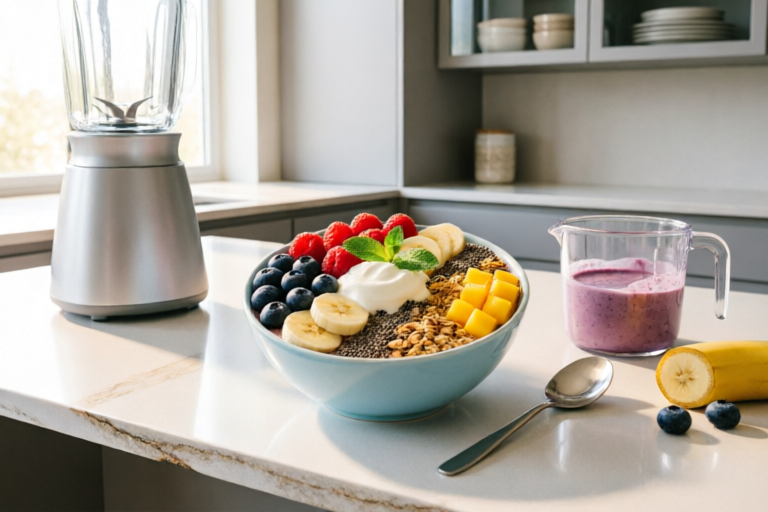
Texture contrast is vital. The smooth, cold base needs something crisp and crunchy. Granola is the classic choice, but store-bought varieties can be laden with sugar. Try making your own batch by baking rolled oats with honey and cinnamon, then crumbling them. Nuts are another powerhouse. Almond slivers, pecan halves, or chopped walnuts provide healthy fats and fiber. Roasted pumpkin seeds (pepitas) or sunflower seeds add a salty crunch that pairs beautifully with sweet fruit bases like strawberry or pineapple.
For a low-carb alternative, consider shredded unsweetened coconut flakes toasted in a pan until golden. Chia seeds, while not extremely crunchy, expand when wet and provide a unique gel-like texture. Hemp hearts offer a mild, nutty flavor and a slight crunch without being too chewy. Sprinkle these generously to ensure every bite offers a different sensation.
### Enhancing Color and Vitamin Intake
Visually appealing food leads to increased consumption. Bright colors indicate a variety of phytonutrients. Sliced fresh kiwi, dragon fruit, passion fruit pulp, or pomegranate arils add pop. If you want to sneak in more greens, microgreens or spinach leaves placed delicately on top work well. They won’t wilt as fast as if blended in, preserving some vitamin C content. Black sesame seeds add a sophisticated look and calcium, while dried goji berries offer a chewy texture and immunity-boosting properties.
### Functional Boosters for Wellness
Beyond taste, toppings can act as functional medicine. A sprinkle of maca powder can provide an energy lift without the jitters of caffeine. Turmeric mixed with black pepper offers anti-inflammatory benefits. Cocoa nibs are perfect for chocolate lovers seeking antioxidants without the refined sugar of candy bars. Bee pollen is an incredible option, offering enzymes and trace minerals from nature. Even a drizzle of real maple syrup or honey adds warmth and satisfies a craving, though moderation is key to maintain the health benefits.
When arranging toppings, think about layering. Place heavier items like nuts at the bottom so they stay visible, and lighter items like seeds on top. Symmetry or random scattering can both look great depending on personal style. Take five extra seconds to arrange them neatly; presentation triggers satisfaction signals in the brain before you even take the first bite.
## Conclusion: Building a Sustainable Morning Ritual
Creating nutritious smoothie bowls in under ten minutes is not just about saving time; it is about cultivating a sustainable morning ritual that honors your health without sacrificing joy. The habits formed in the first hour of the day often dictate the productivity and mindset of the remaining twenty-three hours. By investing minimal effort into preparing a highly nutrient-dense meal, you are sending a powerful message to yourself that your well-being is a priority.
As demonstrated in this guide, success relies on preparation and flexibility. Freezing fruit in advance eliminates the morning chopping hassle, while knowing how to manipulate liquid and solids gives you control over the outcome. Customization is the key to longevity. You do not need to adhere to a rigid recipe forever. If you crave chocolate, add cacao. If you are feeling energetic after a workout, add more protein. If you are recovering, add more magnesium-rich toppings like almonds or dark chocolate. Listen to your body’s cues and adjust accordingly.
Remember that consistency trumps perfection. There will be days when you are late, or when you don’t feel like cleaning the blender. On those days, even a quick assembly of a simpler version is better than skipping breakfast entirely or reaching for processed junk. Over time, this practice can reshape your palate. The intense natural sweetness of frozen fruits and the bitterness of leafy greens will become more enjoyable, reducing your dependency on refined sugars.
Ultimately, the smoothie bowl is a vehicle for nourishment. It brings together the worlds of speed and substance. With the right tools, ingredients, and techniques outlined in this article, you have everything you need to turn your morning chaos into a moment of calm and vitality. Start tonight by washing and freezing a banana. Tomorrow morning, set the stage for a healthier, happier, and faster start to your day. Your future self will thank you for the energy and clarity this simple change provides.
By integrating these practices, you are not just making breakfast; you are designing a lifestyle that supports long-term wellness. Embrace the process, experiment with combinations, and enjoy the delicious rewards of eating whole foods quickly. The ten-minute window is not a constraint; it is an opportunity to demonstrate efficiency and care for your health simultaneously. Here’s to many mornings filled with color, nutrition, and the quiet satisfaction of a job well done before the rest of the world wakes up.
Comments

@NutrientQueen
Love the tip about freezing the liquid too if your blender is weak. Works wonders!
👍 9👎 0

@QuickBreakfast
Wish I'd seen this before buying all that takeout stuff. 8 minutes flat including toppings.
👍 19👎 0
@DadOfThree
Kids drank this whole bowl before school. Finally getting veggies in them thanks to the sweet fruit base.
👍 26👎 0

@FitFamJen
Added hemp seeds and cacao nibs. Totally changed the game for breakfast satisfaction.
👍 0👎 0
@SarahEats
My texture was super soupy even with frozen berries. Any tips for thickening it up besides adding ice?
👍 25👎 0

@CoffeeAndCarbs
quick question - is frozen banana strictly necessary? I'm lazy about prep sometimes lol. Can I use fresh?
👍 20👎 0

@HealthyHacks
Tried this last night! Used kale instead of spinach and couldn't tell the difference. Great quick win.
👍 17👎 0