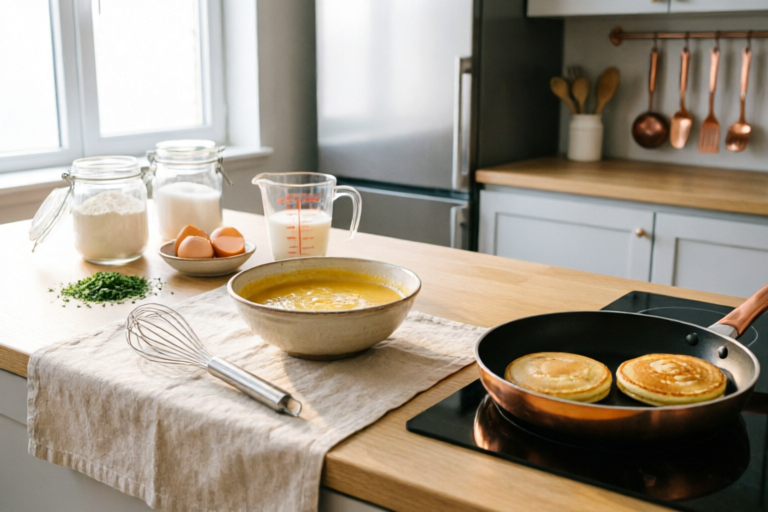
How to Make Perfect Fluffy Pancakes From Scratch Tonight
Wake Up to Heaven's Fluffiest Breakfast
Introduction: Embracing the Joy of Homemade Pancakes
There is something undeniably magical about the smell of pancakes sizzling on a griddle. It is a scent that signals warmth, comfort, and the promise of a delightful morning ahead. While we live in an age of convenience where boxed mixes promise quick results in minutes, there remains an enduring allure to making pancakes from scratch. Why choose the extra effort? The answer lies in the superior texture and the unparalleled control over fresh flavors that only homemade batter can offer.
When you prepare a mix, you are buying a formula designed for stability and shelf life, which inevitably sacrifices some freshness and mouthfeel. Homemade pancakes allow you to curate every element, from the richness of the dairy to the leavening power that lifts them sky-high. Making pancakes from scratch tonight isn't just about feeding yourself; it is an act of mindfulness and self-care. It transforms a mundane meal into a culinary experience where you hold the reins.
This comprehensive guide is designed to demystify the process. Whether you are a seasoned home cook looking to refine your technique or a beginner eager to impress family members, understanding the nuances of batter consistency, ingredient interaction, and heat management is the key to success. We are going to move beyond the basics and dive deep into the science and art of creating the perfect stack. By the end of this read, you will possess the knowledge needed to achieve golden-brown, cloud-like pancakes consistently. So, let us get started with gathering your apron and preheating that skillet.
Selecting the Best Ingredients for Maximum Fluffiness
The foundation of any exceptional dish begins with its components. When it comes to achieving maximum fluffiness, the adage "garbage in, garbage out" applies perfectly. You do not need exotic items, but you do need high-quality versions of standard ingredients. Each element plays a specific role in the chemical reactions that create air pockets and structural integrity within your pancake.
The Chemistry of Baking Powder and Freshness
Baking powder is the engine of lift in most pancake recipes. It contains both an acid and a base that react when exposed to moisture and heat, releasing carbon dioxide gas. This gas gets trapped in the batter, causing the pancakes to rise. However, baking powder loses its potency over time. Before embarking on your cooking journey, always check the expiration date on your container. If your baking powder is old, it will result in dense, flat pancakes despite your best efforts.
To test its freshness quickly, take a small teaspoon and drop it into hot water. If it fizzes vigorously immediately, it is active and ready to use. If it barely bubbles, buy a new box. Furthermore, consider using a double-acting baking powder. These release half their gas upon contact with wet ingredients and the other half upon exposure to oven or pan heat. This ensures sustained rising throughout the cooking process.
Buttermilk: The Secret Weapon of Tenderness
If you have ever wondered why restaurant pancakes taste tangy and incredibly tender, buttermilk is likely responsible. Regular milk does not provide the same acidity required to react effectively with the baking soda or powder. Buttermilk is cultured milk, meaning it has been fermented with bacteria to produce lactic acid. This acid breaks down gluten strands in the flour, resulting in a more tender crumb. It also reacts with the alkaline baking soda (if used) to produce additional lift.
Don't be deterred if you don’t have real buttermilk on hand. You can easily make a substitute by stirring one tablespoon of white vinegar or lemon juice into one cup of regular milk. Let this mixture sit for five minutes until it curdles slightly before incorporating it into your batter. This hack mimics the chemical environment needed for light pancakes.
The Role of Fats: Cold Butter vs. Oil
Fat contributes flavor and texture. Traditionally, melted unsalted butter is added to the wet ingredients. However, some chefs swear by cubed cold butter folded into the dry mix just before adding the liquid. As the cold butter hits the hot griddle, it melts slowly, creating steam pockets that further contribute to fluffiness. Alternatively, neutral oils like vegetable or canola oil coat the flour proteins more thoroughly than solid fat, leading to exceptionally tender pancakes that remain moist longer.
If you opt for butter, unsalted is preferable because it allows you to control the salt content precisely. Salt is a vital flavor enhancer; even if you aren't a salty eater, a pinch of salt in the batter brings out the sweetness of the toppings later. Remember, butter burns faster than oil, so if using butter in the pan, keep an eye on the heat to avoid acrid tastes.
Eggs: Structure and Richness
Eggs serve a dual purpose: they provide emulsification to bind the wet and dry ingredients smoothly, and they offer protein structure that holds the pancake together. Using room temperature eggs helps them integrate better with the buttermilk, preventing the batter from seizing up. Some traditional recipes suggest separating the eggs, whipping the whites to stiff peaks, and folding them in at the very end. While this creates an airy soufflé-like pancake, for a classic fluffy texture, fully beaten whole eggs mixed into the wet ingredients are sufficient and easier to manage.
Mastering the Mixing Technique to Avoid Toughness
Once you have selected your ingredients, the next critical phase is mixing. This is where many home cooks unknowingly sabotage their chances for a fluffy outcome. The enemy of a light pancake is over-mixing, which activates too much gluten. Gluten gives bread its chewy structure, but in pancakes, we want minimal gluten development to maintain a soft, cake-like texture.
Separation Is Key
To minimize mixing time, adopt the "combine separately" method. First, whisk all your dry ingredients—flour, sugar, salt, and baking powder—in a large bowl until well distributed. In a separate bowl, combine your wet ingredients—buttermilk, eggs, melted butter, and vanilla extract if using. Then, simply pour the wet mixture into the dry. This visual separation helps you gauge exactly when you have reached the right consistency.
The Gentle Fold
Never use an electric mixer here. Hand-mixing provides tactile feedback that helps you stop at the precise moment. Use a spatula or wooden spoon. Gently fold the dry ingredients into the wet, pulling the spoon from the bottom and turning it over the top. Do not stir in circles vigorously; circular motions encourage gluten strands to align and toughen the batter.
A common misconception is that the batter should look smooth. The truth is, a few visible lumps are perfectly fine and actually desirable. Stop mixing just before the dry ingredients disappear completely. If you wait until the flour is totally gone, you have almost certainly overworked the batter. A lumpy batter yields a lighter, airier pancake, whereas a silky batter often produces rubbery results.
The Waiting Game
After mixing, resist the urge to flip the pancakes immediately. Allow the batter to rest on the counter for about 5 to 10 minutes. During this time, the flour particles absorb the liquid, and the gluten strands relax. Additionally, this resting period allows the leavening agents to begin reacting gently. This pause ensures that when the pancakes hit the heat, the gas bubbles are ready to expand rapidly, giving you a better rise.
Controlling Heat and Timing for Golden Perfection
Even with perfect batter, poor heat management can ruin the final product. You want pancakes that are cooked through but still retain a moist interior, with a crust that is golden brown rather than burnt or pale. Achieving this balance requires attention and patience.
Proper Pan Temperature Management
Cast iron or heavy-bottomed non-stick skillets are ideal because they distribute heat evenly. Avoid thin aluminum pans, which can develop hot spots leading to uneven cooking. Preheat your pan over medium-low to medium heat. If the pan is too hot, the outside will burn before the inside is cooked. If it is too cool, the pancakes will spread too thin and become tough before rising.
To test the temperature, sprinkle a few drops of water onto the surface. They should dance and evaporate within seconds (a technique known as the Leidenfrost effect). If they hiss violently and vanish instantly, it is too hot. If they sit there soggily, increase the heat slightly.
The Grease Factor
Many people brush the pan with butter using a pastry brush, but this can scorch. Instead, use a paper towel dipped in neutral oil to wipe the pan between batches. Butter leaves solids that burn quickly. For the best flavor profile, a combination of oil for grease and a bit of butter brushed on top of the pancakes right after flipping yields a rich, nutty finish. Ensure the fat coats the entire surface area to prevent sticking.
Visual Cues for Flipping
Patience is paramount. Do not flip the second you see the edge set. Look for the classic signs of readiness: small bubbles forming on the surface of the pancake and the edges losing their glossiness. Crucially, watch those bubbles pop. When the centers of the popped bubbles stop filling up with liquid batter and the edges are dry, it is time to flip. Flip confidently but gently to avoid deflating the air pockets you created earlier. A quick flick of the wrist with a sturdy spatula under the edge works wonders.
Cooking Through
Once flipped, reduce the heat slightly to medium-low. High heat now will just char the second side. The cooking time for the second side is usually shorter, around two minutes. Press the center lightly with your finger; it should spring back. If it leaves an indent, give it another minute. The internal temperature should reach approximately 160°F (71°C) for food safety, though visually golden-brown is usually sufficient.
Serving Ideas and Conclusion
Your pancakes are finally cooked, stacked high, and steaming hot. Now comes the creative part: serving. While the classics never fail, exploring different combinations can elevate your Sunday brunch into a memorable event.
Classic Topping Recommendations
- Pure Maple Syrup: Skip the imitation corn syrups. Grade B pure maple syrup offers a richer molasses flavor that pairs perfectly with the mild batter.
- Fresh Fruit: Sliced strawberries, blueberries, or bananas add natural sweetness and nutritional value. Grilled peaches or caramelized apples work beautifully for autumnal vibes.
- Dairy Finish: A dollop of whipped cream or a pat of cold butter melting over the warm stack enhances the sensory experience.
- Crunchy Elements: Toasted pecans, walnuts, or crushed pretzels provide textural contrast to the soft pancakes.
Global Inspirations
You can also experiment beyond American tradition. Try drizzling chocolate ganache for a decadent twist, or sprinkle with cinnamon sugar. For a savory option, top with smoked salmon, cream cheese, and capers, or crumble bacon and scallions into the batter before frying. These savory-sweet balances appeal to adventurous palates.
Troubleshooting and Pro Tips
If your pancakes are too dense, check your baking powder freshness. If they are dry, you may have added too much flour (scoop and level instead of packing the measuring cup). If they stick, check your pan temperature. If they burn on the outside, lower the heat. Consistency comes with trial and error.
Finally, remember that leftover pancakes reheat surprisingly well in a toaster or microwave covered with a damp paper towel to maintain moisture. Freezing them in stacks separated by parchment paper allows you to enjoy this luxury anytime during the week.
Conclusion
Making perfect fluffy pancakes from scratch is a skill that blends science with intuition. It rewards diligence with the joy of seeing that first golden cake hit the plate. By focusing on ingredient quality, gentle mixing, and controlled heat, you can replicate the texture found in the best cafes right in your own kitchen.
Do not let the idea of perfection intimidate you. Even if a pancake isn't shaped perfectly round, it tastes just as sweet. Tonight, skip the box mix and gather your ingredients. Embrace the process, enjoy the aroma filling your kitchen, and savor the delicious fruits of your labor. Your future self, waking up to that stack of heavenly fluffy pancakes, will thank you. Happy cooking!
Comments

My son ate four stacks. Best weekend breakfast ever.

I’ve been making mixes for years thinking they were better... this scratch version tastes way fresher. Thanks for the tip on cold butter!
Tried this, loved it!

Used fresh blueberries instead of chocolate chips. Absolute game changer.

Can anyone confirm if almond milk works okay here? Don't want to ruin the batch.

Just made these and OMG they are light as air! Finally figured out I wasn't waiting long enough for bubbles to pop before flipping.