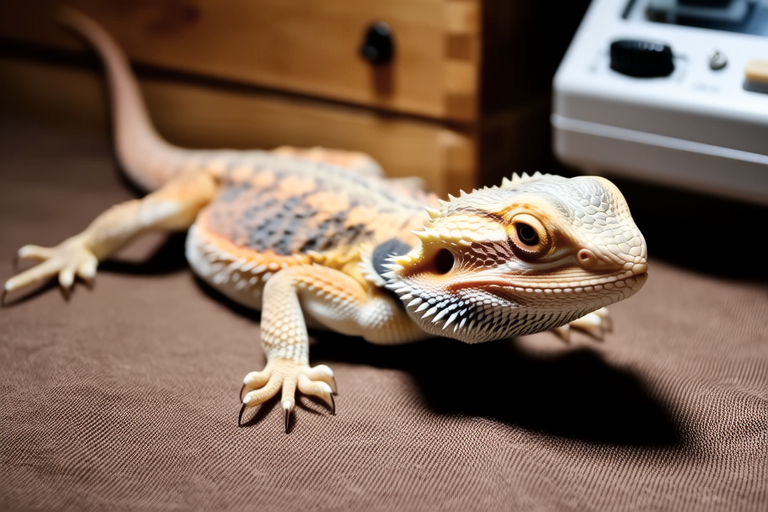
Raising a Baby Bearded Dragon from Scratch
Welcome to the fascinating world of bearded dragons! Pogona vitticeps, commonly known as bearded dragons, are popular pets due to their docile nature and relatively low maintenance requirements. This comprehensive guide will walk you through every aspect of raising a baby bearded dragon, from setting up its habitat to addressing common health issues. Whether you’re a novice or an experienced reptile owner, this guide will provide you with the knowledge needed to ensure your pet thrives.
Step 1: Setting Up the Habitat
The first step in raising a baby bearded dragon is creating a suitable habitat. A glass aquarium or terrarium that is at least 20 gallons in size is recommended for a single juvenile dragon. The enclosure should have a secure lid to prevent escape and provide ventilation.
- Heating: Bearded dragons require a temperature gradient within their enclosure to regulate their body temperature. Use a heat lamp or ceramic heat emitter on one side of the tank to create a basking spot that reaches around 95-105°F (35-40°C). The cooler side should remain between 75-85°F (24-29°C).
- UVB Lighting: Install a UVB light to help your dragon synthesize vitamin D3, which is essential for calcium absorption. Replace the bulb every six months to ensure it remains effective.
- Substrate: Avoid using sand as substrate for baby bearded dragons, as it can lead to impaction if ingested. Instead, opt for reptile carpet, paper towels, or non-particle-based substrates like coconut fiber or reptile-safe bark chips.
- Hiding Spots and Decorations: Provide hiding spots such as caves or logs to give your dragon a sense of security. Ensure any decorations are securely fastened to prevent accidents.
- Cleaning: Regularly clean the enclosure to maintain hygiene. Remove waste daily and perform a thorough cleaning every two weeks.
Step 2: Feeding Your Baby Bearded Dragon
Proper nutrition is crucial for the growth and development of your baby bearded dragon. Their diet should consist mainly of insects and vegetables, with a focus on high-quality protein and calcium supplementation.
- Insects: Offer crickets, dubia roaches, or mealworms as the primary protein source. Gut load the insects by feeding them nutritious food before offering them to your dragon. Feed baby dragons insects daily, adjusting the quantity based on their appetite and growth.
- Vegetables: Introduce leafy greens like collard greens, mustard greens, and dandelion greens gradually. Avoid iceberg lettuce and spinach, as they offer little nutritional value. Vegetables can be offered once or twice a week.
- Calcium and Vitamin Supplements: Dust insects with calcium powder (without added vitamin D3) three times a week and multivitamin supplements once a week. Ensure balanced nutrition by consulting a veterinarian specializing in reptiles.
- Water: Provide fresh water daily in a shallow dish. Encourage drinking by misting the enclosure occasionally.
Step 3: Handling Techniques
Handling your baby bearded dragon correctly is important for building trust and ensuring its safety. Follow these guidelines:
- Wash Hands: Always wash your hands before and after handling your dragon to prevent the spread of bacteria.
- Support the Body: Gently scoop up your dragon, supporting its belly and legs. Avoid lifting by the tail or squeezing too tightly.
- Be Patient: Some dragons may be skittish initially. Allow them time to acclimate and build confidence. Gradually increase handling sessions as they become more comfortable.
- Watch for Signs of Stress: If your dragon flattens its body, puffs out its beard, or attempts to bite, it may be stressed. Return it to its enclosure and try again later.
Step 4: Monitoring Growth Milestones
Regular monitoring of your baby bearded dragon’s growth is essential to ensure it is developing properly. Here are some key milestones to look for:
- Size: At birth, baby bearded dragons are approximately 3-4 inches long. They can grow up to 20 inches in length by adulthood.
- Weight: Weigh your dragon weekly to track its progress. A healthy weight gain indicates proper nutrition.
- Coloration: Healthy dragons have vibrant coloration. Pale or dull colors may indicate illness or poor nutrition.
- Behavior: Observe your dragon’s activity level and appetite. Consistent interest in food and exploration suggests good health.
Step 5: Common Health Issues and Prevention
Despite proper care, baby bearded dragons may still encounter health issues. Early detection and treatment are crucial for recovery. Here are some common problems to watch for:
- Mouth Rot (Infectious Stomatitis): Characterized by swelling, redness, and discharge around the mouth. Clean the area gently and consult a veterinarian for antibiotics.
- Mites: Small, parasitic insects that can cause irritation and stress. Quarantine affected dragons and treat with veterinarian-approved products.
- Impaction: Occurs when substrate is ingested and forms a blockage in the digestive tract. Prevent by using appropriate substrate and ensuring proper hydration.
- Metabolic Bone Disease (MBD): Caused by insufficient calcium or vitamin D3. Symptoms include lethargy, weak limbs, and swollen jaw. Correct diet and lighting can prevent MBD.
Step 6: Tips for Ensuring Well-Being
Here are additional tips to ensure the overall well-being of your baby bearded dragon:
- Veterinary Care: Schedule regular check-ups with a reptile-savvy veterinarian. Vaccinations are not typically required, but routine examinations can catch potential issues early.
- Socialization: Handle your dragon regularly to promote bonding and reduce stress. However, avoid over-handling, as excessive interaction can lead to anxiety.
- Environmental Enrichment: Provide toys and climbing structures to stimulate mental and physical activity. Rotate items periodically to keep the environment interesting.
- Temperature Regulation: Monitor temperatures closely, especially during colder months. Use thermometers and hygrometers to ensure optimal conditions.
Conclusion
Raising a baby bearded dragon is a rewarding experience filled with joy and responsibility. By following these steps and staying informed about your pet’s needs, you can provide a happy and healthy life for your scaly companion. Remember, patience and consistency are key in building a strong bond with your bearded dragon. Happy dragon parenting!
