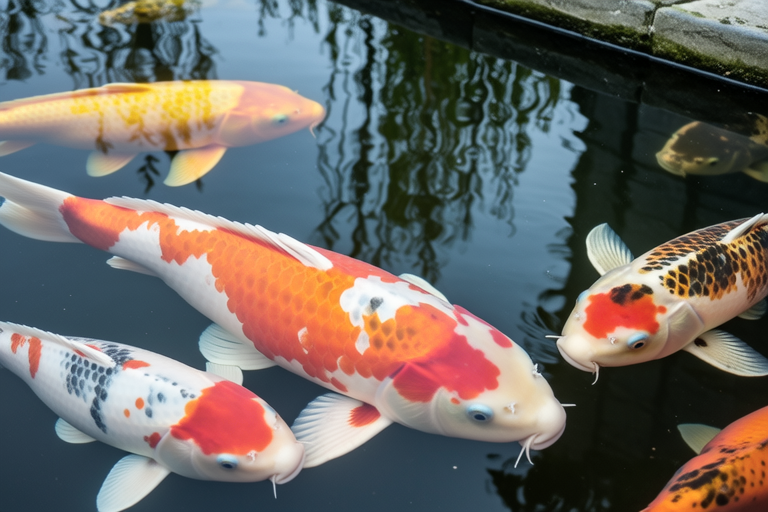
Hidden Aspects of Koi Fish Life
Koi fish, with their vibrant colors and graceful movements, have long been admired by aquarists and pond enthusiasts alike. Beyond their aesthetic appeal, these freshwater fish possess a fascinating array of behaviors, social structures, and biological traits that make them intriguing subjects for study. This article delves into the lesser-known aspects of koi fish life, exploring their intelligence, memory, social interactions, breeding habits, lifespan, dietary preferences, and cultural significance.
Intelligence and Memory Capabilities
Contrary to popular belief, koi fish are not merely passive inhabitants of ponds. They exhibit remarkable intelligence and memory, capable of recognizing individual humans and responding to their presence. Studies have shown that koi can distinguish between familiar and unfamiliar faces, demonstrating a level of cognitive awareness that challenges the notion of fish as simple creatures. Their memory spans are impressive, with some reports suggesting they can remember specific feeding times and locations for up to three years. This ability to recall information contributes to their adaptability in their environment, allowing them to anticipate food sources and navigate their surroundings efficiently.
Social Structures and Interactions
Koi fish are highly social animals that thrive in groups. They form complex hierarchies within their communities, with dominant individuals often asserting leadership roles. These hierarchies influence feeding behavior, mating rituals, and territorial disputes. Dominant koi tend to feed first, securing the best nutrients for themselves while subordinates wait their turn. Understanding these social dynamics can help aquarists manage their ponds more effectively, ensuring all fish receive adequate nutrition and reducing stress among less assertive members.
In addition to hierarchy, koi engage in playful activities such as chasing bubbles or interacting with floating objects. Observing these behaviors provides insight into their emotional well-being and mental stimulation. Providing enrichment through toys or structured environments encourages healthy social interactions and reduces the risk of boredom-related issues like fin nipping or destructive chewing.
Breeding Habits and Lifespan
The breeding process of koi fish involves intricate courtship displays and nest-building activities. Males chase females around the pond, nudging them gently until they release eggs. Females typically lay thousands of eggs at once, which are then fertilized by the males. After spawning, parents do not provide further care; instead, young fry must fend for themselves against predators and environmental challenges. Given this high mortality rate, successful breeding requires careful monitoring and protection of fry.
Koi fish have an average lifespan ranging from 25 to 30 years under optimal conditions. Some exceptionally well-cared-for specimens have lived over 40 years, making them one of the longest-living domesticated fish species. Proper diet, water quality maintenance, and disease prevention play crucial roles in extending their longevity. Regular health checks and prompt treatment of any signs of illness contribute significantly to their overall wellbeing.
Dietary Preferences
While many assume koi primarily eat commercial pellets, their diet can be much more diverse. In addition to formulated feeds, koi enjoy live foods such as bloodworms, brine shrimp, and daphnia. These natural prey items offer nutritional benefits not found in processed foods, promoting better growth and coloration. Incorporating a variety of foods into their diet ensures balanced nutrition and prevents deficiencies associated with monotonous feeding regimens.
Another surprising aspect of koi diets is their preference for certain plants. Aquatic vegetation like duckweed and water lettuce serves as supplementary food sources, providing fiber and other essential nutrients. Encouraging plant growth in your pond not only enhances aesthetics but also supports koi health. However, it’s important to monitor plant populations carefully to avoid overgrowth that could lead to oxygen depletion or murky waters.
Cultural Significance and Symbolism
Koi fish hold significant symbolic value across various cultures. In Japan, where they originated, koi symbolize perseverance, strength, and good fortune. The legend of carp swimming upstream against strong currents represents overcoming obstacles and achieving success. This association has made koi popular symbols in art, literature, and architecture throughout Asia.
In Chinese culture, koi represent prosperity and good luck. Red koi, in particular, are believed to bring wealth and happiness. Their vibrant appearance and graceful movements have inspired countless works of art, including paintings, sculptures, and textiles. Additionally, the practice of releasing koi into bodies of water during festivals or special occasions continues today as a way to honor ancestors and wish for favorable outcomes.
Tips for Optimal Care
To ensure the health and happiness of your koi fish, follow these guidelines:
- Water Quality: Maintain clean, well-oxygenated water by regularly testing parameters and performing partial water changes. Use appropriate filtration systems and consider adding beneficial bacteria supplements to promote biological filtration.
- Diet: Offer a varied diet consisting of high-quality pellets, live foods, and plant matter. Feed small amounts multiple times daily rather than large meals infrequently to prevent waste buildup and maintain digestive health.
- Environment: Provide ample space for swimming and hiding spots such as caves or dense plantings. Incorporate rocks, driftwood, and other decorations to create interesting landscapes that stimulate exploration.
- Health Monitoring: Regularly observe your koi for signs of illness or distress, such as lethargy, abnormal breathing patterns, or visible lesions. Consult a veterinarian specializing in aquatic animals if you notice any concerning symptoms.
Common Myths About Koi
Several misconceptions surround koi fish:
- Myth: Koi require saltwater. Fact: Koi are freshwater fish that thrive in properly maintained ponds or tanks without the need for saltwater.
- Myth: All koi are equally colorful. Fact: Color variations depend on genetics and environmental factors. Some varieties display more vivid hues than others.
- Myth: Koi cannot jump out of ponds. Fact: While rare, koi can leap out of shallow areas if startled or seeking higher ground during heavy rains.
By understanding the hidden aspects of koi fish life, aquarists can better appreciate these magnificent creatures and provide them with the care they deserve. From their intelligence and social structures to their dietary preferences and cultural significance, koi fish offer endless fascination for those willing to explore beyond surface-level observations.
