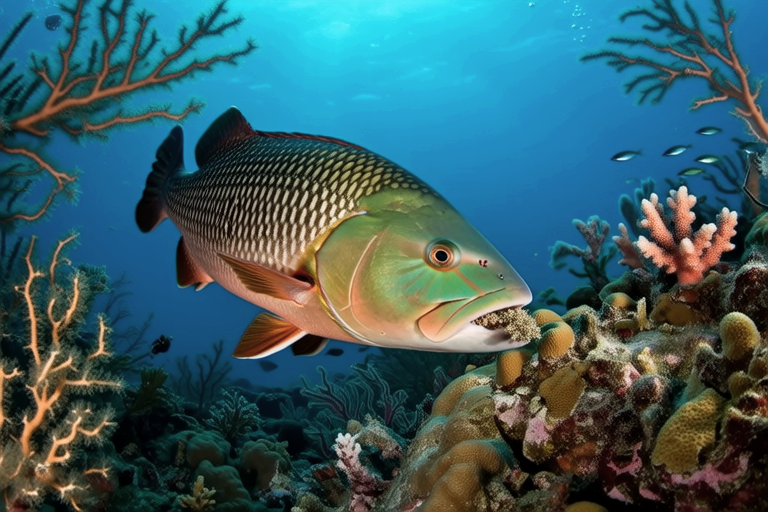
How Parrot Fish Are Transforming Coral Reefs
In the vast ocean, there exists a colorful and vital species that plays a significant role in maintaining the health of coral reefs: the parrot fish. These vibrant creatures, named for their beak-like mouths, are not just visually striking but also crucial for the survival of one of Earth’s most diverse ecosystems. Parrot fish are integral to marine ecosystems, primarily through their unique feeding habits and their symbiotic relationship with coral reefs.
The Unique Role of Parrot Fish
Parrot fish are found in tropical and subtropical waters worldwide, with over 90 recognized species. They come in various colors, from bright blues and greens to striking yellows and reds. Their distinctive beaks allow them to scrape and bite off pieces of coral, which is their primary food source. This feeding behavior, while destructive to individual coral polyps, is essential for the overall health of the reef ecosystem. By consuming algae, which can smother and kill corals if left unchecked, parrot fish help maintain the delicate balance necessary for the survival of the reef.
Feeding Habits and Algae Control
The feeding habits of parrot fish are particularly fascinating. They spend much of their day grazing on algae that grow on coral surfaces. This process is crucial because excessive algae growth can overwhelm corals, preventing them from receiving the sunlight needed for photosynthesis. Without this light, corals struggle to survive. Parrot fish, by keeping algae in check, ensure that corals remain healthy and vibrant.
Moreover, as parrot fish feed, they break down coral skeletons into fine sand. This process is critical for the formation of beaches and islands in many tropical regions. In fact, it has been estimated that some species of parrot fish can produce up to 90% of the sand in certain atoll islands. This not only contributes to the physical structure of the reef but also aids in the creation of new habitats for other marine life.
Symbiotic Relationship with Coral Reefs
The relationship between parrot fish and coral reefs is symbiotic. While parrot fish benefit from the reef by having a constant food supply, the reef benefits from the fish’s activities. The removal of algae helps prevent the overgrowth that can lead to coral death, thus promoting the growth of new corals. This interaction is vital for maintaining the biodiversity of the reef, as healthier corals support a wider variety of marine life.
Studies have shown that areas where parrot fish populations are abundant tend to have healthier and more resilient coral reefs. For example, research conducted by the University of Queensland in Australia revealed that reefs with higher densities of parrot fish had significantly lower levels of harmful algae. This finding underscores the importance of parrot fish in preserving the ecological balance of coral reefs.
Positive Impacts on Reef Health and Biodiversity
The presence of parrot fish has a profound impact on reef health. By controlling algal growth, they create conditions favorable for coral reproduction and growth. Healthy corals, in turn, provide shelter and breeding grounds for numerous species, thereby enhancing biodiversity. A study published in the journal Nature highlighted that reefs with thriving parrot fish populations supported a greater diversity of fish species compared to those with fewer parrot fish.
Additionally, the sand produced by parrot fish contributes to the structural integrity of the reef. This sand acts as a buffer against erosion caused by waves and currents, helping to stabilize the reef’s foundation. This stability is crucial for the long-term survival of the reef, especially in the face of increasing environmental pressures such as climate change and ocean acidification.
Threats to Parrot Fish Populations
Despite their importance, parrot fish populations face numerous threats. Overfishing is one of the most significant challenges, as their meat is highly valued in many parts of the world. Additionally, habitat destruction due to coastal development and pollution further exacerbates the problem. The loss of parrot fish can have devastating consequences for coral reefs, leading to increased algal growth and reduced biodiversity.
Conservation efforts are crucial to protect parrot fish and the reefs they inhabit. Establishing marine protected areas (MPAs) can help reduce fishing pressure and allow populations to recover. Furthermore, raising awareness about the importance of parrot fish and their role in reef health can encourage sustainable practices among local communities and tourists.
Conclusion
The parrot fish are more than just beautiful creatures; they are vital to the health and survival of coral reefs. Through their unique feeding habits and symbiotic relationship with the reef, they play a critical role in maintaining the delicate balance necessary for the reef’s resilience. Scientific studies have provided compelling evidence of the positive impacts of parrot fish on reef health and biodiversity. However, threats to their populations, including overfishing and habitat destruction, pose significant risks to the future of coral reefs.
To ensure the continued survival of these magnificent ecosystems, it is imperative that we take action to conserve parrot fish and the reefs they call home. By supporting conservation initiatives and adopting sustainable practices, we can help preserve the beauty and biodiversity of our oceans for generations to come.
