Top 5 Fascinating Facts About the Vibrant Three-Striped Box Turtle You Need to Know
The three-striped box turtle (cuora trifasciata) is a captivating reptile known for its vibrant colors and unique features. This species, native to Southeast Asia, has captured the hearts of many turtle enthusiasts with its striking appearance and intriguing behaviors. Let’s dive into five fascinating facts about this remarkable creature that will leave you in awe.
Fact 1: Distinctive Physical Characteristics
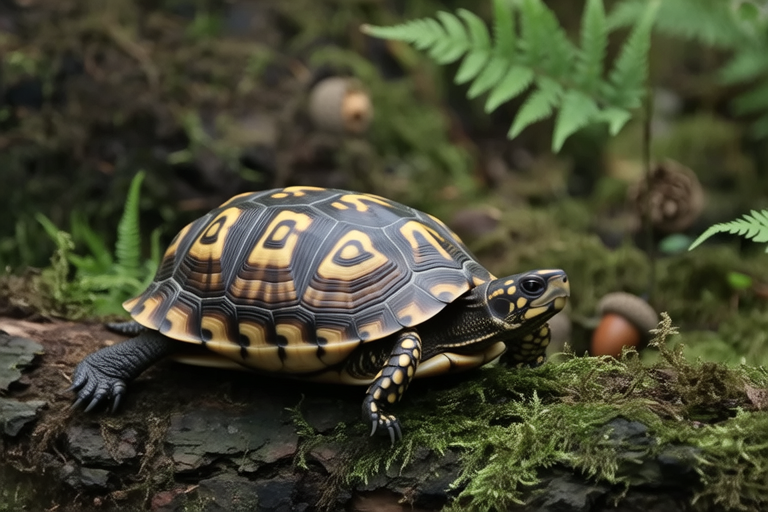
One of the most striking aspects of the three-striped box turtle is its stunning physical appearance. These turtles get their name from the three yellow stripes that run along the sides of their dark brown or black heads. The stripes are not only visually appealing but also serve as a form of camouflage in their natural habitat. Additionally, their shells are equally impressive, featuring a high-domed carapace (upper shell) and a hinged plastron (lower shell). This hinged plastron allows them to completely close their shells when threatened, offering protection from predators. The combination of their vibrant head markings and robust shell makes the three-striped box turtle a true standout among turtle species.
Fact 2: Diverse Habitat Preferences
The three-striped box turtle thrives in a variety of environments, making it highly adaptable. Native to parts of China, Vietnam, and Laos, these turtles can be found in diverse habitats ranging from forests and grasslands to rocky hillsides and riverbanks. They are particularly fond of areas near water sources, such as streams and ponds, where they can easily find food and cool off during hot weather. Their ability to inhabit different terrains contributes to their survival in the wild. However, due to habitat loss and illegal pet trade, their numbers have been declining, making conservation efforts crucial for their preservation.
Fact 3: Unique Feeding Habits
Three-striped box turtles have a varied diet that includes both plant matter and animal proteins. In the wild, they are omnivores, consuming a wide range of foods such as fruits, vegetables, insects, worms, and small vertebrates like frogs and lizards. Their dietary flexibility allows them to thrive in different ecosystems, as they can adjust their feeding habits based on available resources. Interestingly, younger turtles tend to consume more protein-rich foods, while older turtles favor a diet higher in vegetation. This change in diet as they age reflects their nutritional needs at different life stages. Understanding their dietary preferences is essential for those who keep these turtles as pets, ensuring they receive a balanced diet that supports their health and longevity.
Fact 4: Social Behavior and Communication
While often perceived as solitary creatures, three-striped box turtles exhibit social behaviors that add depth to their interactions. In captivity, they have been observed engaging in courtship rituals, which involve males displaying their dominance through head bobbing and nipping at females. These behaviors highlight the complexity of their social dynamics. Moreover, these turtles communicate with each other through various means, including scent marking and vocalizations. While their vocalizations are not as prominent as those of some other reptiles, they can produce soft chirping sounds when disturbed or excited. Studying their communication methods provides insights into their social structures and helps researchers understand their behavior better.
Fact 5: Remarkable Longevity and Adaptability
One of the most remarkable traits of the three-striped box turtle is its impressive lifespan. In the wild, these turtles can live up to 40 years, while in captivity, with proper care, they may even exceed 50 years. Their longevity is attributed to their slow metabolism and ability to adapt to changing environmental conditions. This adaptability is further demonstrated by their hibernation behavior. During colder months, these turtles retreat into burrows or under logs, slowing down their bodily functions to conserve energy. This survival strategy ensures their survival through harsh winter conditions. Their long lifespan and hibernation abilities make them resilient and well-suited to their environment.
In conclusion, the three-striped box turtle is a fascinating species with many unique traits that set it apart from other turtles. From its distinctive physical appearance and diverse habitat preferences to its unique feeding habits, social behaviors, and remarkable longevity, this turtle continues to captivate and intrigue wildlife enthusiasts. By learning more about these incredible creatures, we can better appreciate their importance in our ecosystems and work towards their conservation. Whether you’re a seasoned herpetologist or simply curious about nature, the three-striped box turtle offers endless fascination and wonder.
