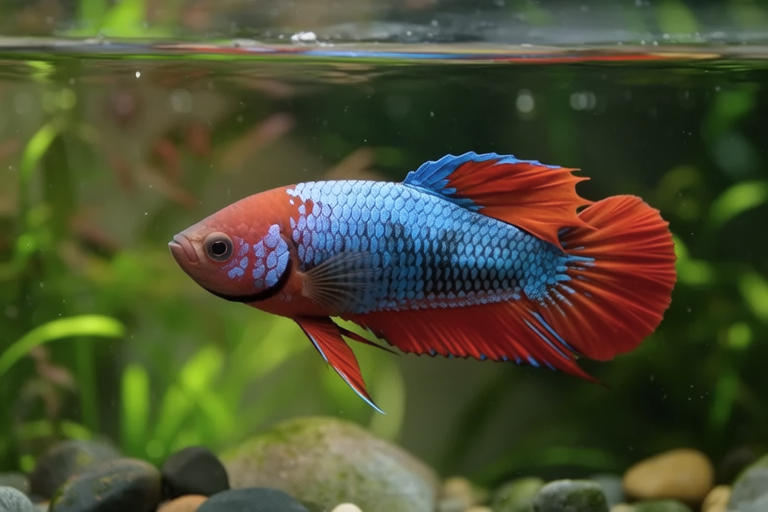
Top 10 Myths About Keeping Parrot Fish as Pets
Parrot fish have become increasingly popular among aquarium enthusiasts due to their vibrant colors and relatively hardy nature. Known for their striking red, orange, and yellow hues, these fish can add a splash of color to any tank. However, there are many misconceptions about keeping them as pets that can lead to improper care and even health issues for the fish. This article aims to clarify some of the most common myths surrounding parrot fish ownership and provide practical advice for both new and experienced aquarists.
Myth 1: Parrot Fish Are Easy to Care For
Myth: Parrot fish require minimal maintenance and can thrive in any tank setup.
Fact: While parrot fish are generally robust, they need specific water conditions to thrive. They require stable pH levels between 7.0 and 8.0, and water hardness ranging from 8 to 12 dGH. Additionally, they are sensitive to ammonia and nitrite spikes, necessitating regular water changes and diligent monitoring of water quality.
Myth 2: Parrot Fish Can Survive on Any Food
Myth: Parrot fish will eat anything you give them, so feeding is easy.
Fact: Proper nutrition is crucial for parrot fish health. Their diet should consist mainly of high-quality pellets designed for herbivorous fish. Supplement this with vegetables like spinach, zucchini, and peas. Avoid overfeeding and ensure food is varied to prevent malnutrition and obesity.
Myth 3: Parrot Fish Are Aggressive Towards Other Species
Myth: Parrot fish are territorial and aggressive, making them unsuitable for community tanks.
Fact: While parrot fish can be territorial, especially when young, they can coexist peacefully with other species provided the tank is large enough and offers plenty of hiding spots. Compatibility also depends on the temperament and size of tankmates.
Myth 4: Parrot Fish Do Not Need Hiding Spots
Myth: Parrot fish do not need places to hide in their tanks.
Fact: Providing hiding spots is essential for reducing stress and promoting healthy behavior. Decorations like caves, plants, and driftwood offer refuge and can help alleviate aggression among tankmates.
Myth 5: Parrot Fish Can Be Kept in Small Tanks
Myth: A small tank is sufficient for a parrot fish.
Fact: Parrot fish grow to sizes between 6 to 10 inches, requiring at least a 55-gallon tank for one fish. Larger tanks provide more space for swimming and better water quality management, which is vital for their well-being.
Myth 6: Parrot Fish Are Naturally Red
Myth: All parrot fish are naturally bright red.
Fact: The intense red color seen in many parrot fish is often the result of selective breeding. Wild parrot fish exhibit a range of colors, including shades of green, blue, and yellow. The vivid red hue is maintained through a specialized diet rich in carotenoids.
Myth 7: Parrot Fish Live for Less Than 5 Years
Myth: Parrot fish have a short lifespan, usually less than five years.
Fact: With proper care, parrot fish can live up to 15 years or more. Regular health checks, optimal water conditions, and a balanced diet significantly contribute to their longevity.
Myth 8: Parrot Fish Are Immune to Disease
Myth: Parrot fish are resistant to diseases and do not require medical attention.
Fact: Like all fish, parrot fish are susceptible to various diseases, including ich, fin rot, and bacterial infections. Early detection and treatment are critical. Maintaining excellent water quality and providing a stress-free environment are key preventive measures.
Myth 9: Parrot Fish Do Not Need Water Changes
Myth: Parrot fish do not need regular water changes because they are hardy.
Fact: Regular water changes are necessary to maintain water quality and prevent the buildup of harmful substances. Aim for partial water changes (20-30%) every week to keep the tank clean and reduce the risk of disease.
Myth 10: Parrot Fish Are Easy to Breed
Myth: Breeding parrot fish is simple and rewarding.
Fact: Breeding parrot fish is challenging and requires specific conditions. It involves creating a breeding tank with appropriate water parameters and introducing a compatible pair. Even then, successful breeding is rare, and raising fry to maturity is difficult.
Conclusion: Responsible Pet Care and Dispelling Misconceptions
The world of parrot fish ownership is filled with misconceptions that can lead to poor care practices. By understanding and addressing these myths, potential and current owners can provide their parrot fish with the best possible living conditions. Remember, the health and happiness of your fish depend on a combination of proper nutrition, suitable tank setups, and attentive care. Always prioritize your pet’s well-being and seek expert advice when needed. With responsible pet care, parrot fish can bring joy and beauty to your home for many years.
